


We will get back to you within 1 working day!
Thank you so much for contacting Sojourn Abroad! We can’t wait to welcome you in China!
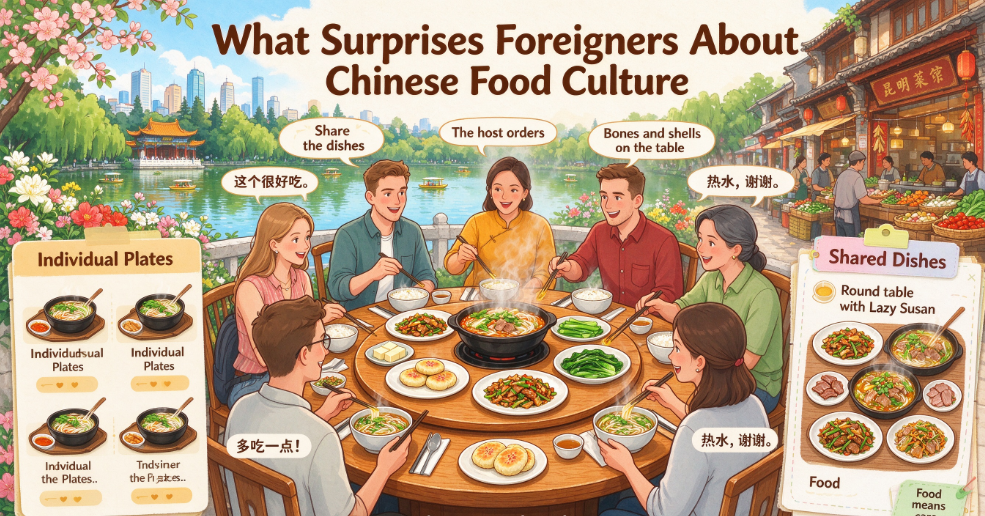
When you first arrive in China to learn Chinese in Kunming, one of the quickest ways to feel connected to the culture is through its food. Chinese food culture goes far beyond what many foreigners expect from their local takeout menu. From sharing dishes to the way meals are ordered, the customs can be both fascinating and surprising. Whether you are taking a Chinese course in Kunming or simply exploring the city, understanding these food habits will make your experience richer and your Mandarin practice more natural.
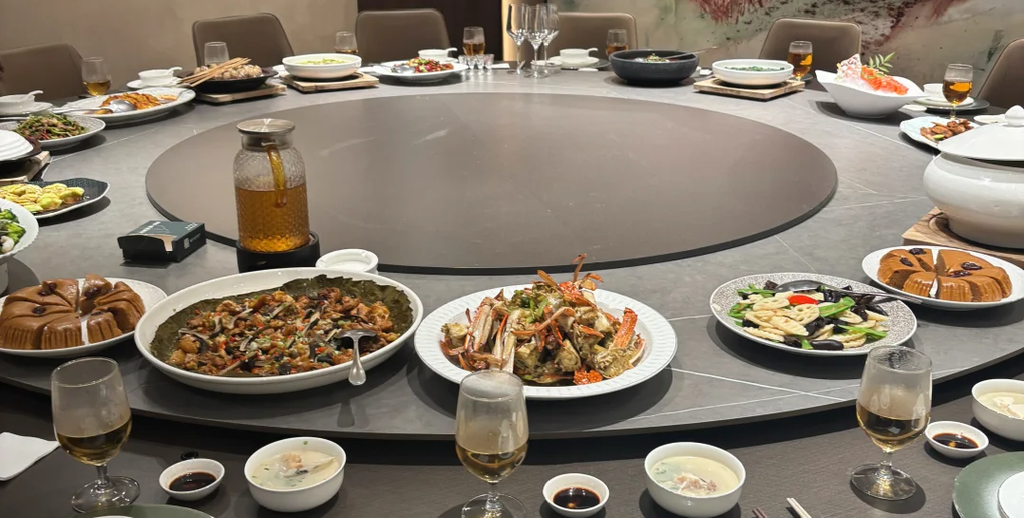
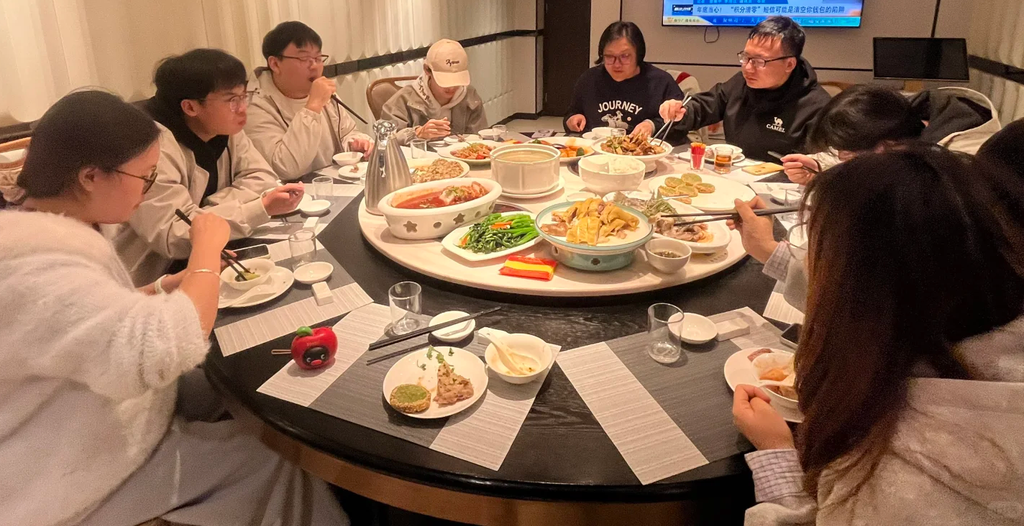
In many Western countries, everyone orders their own dish and eats it individually. In China, meals are usually shared. Dishes are placed in the center of the table, and everyone takes from them. This is especially true for family meals, gatherings with friends, and even business dinners. If you are joining a small group Chinese class in Kunming, you may find yourself sharing meals with classmates and teachers, which is a great way to practice your Chinese while enjoying local flavors.
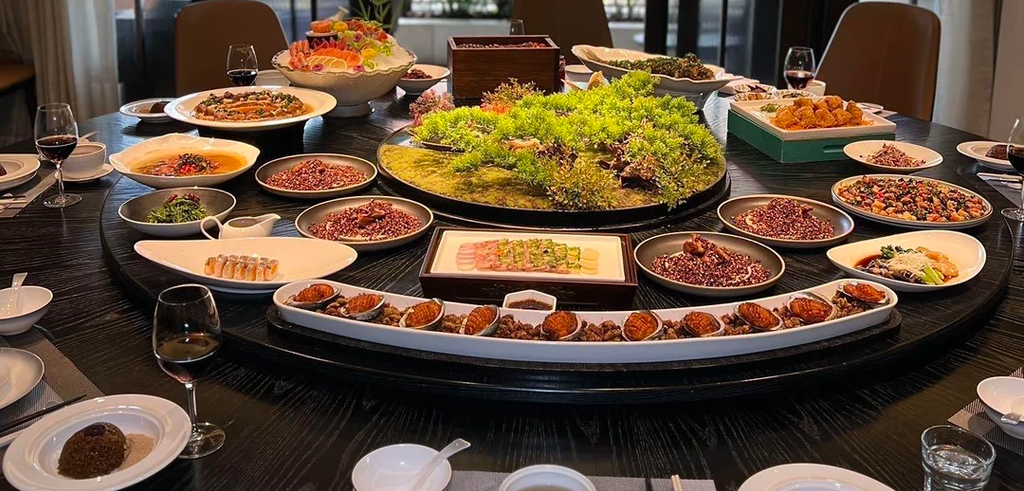
Another surprise for many foreigners is that the host often orders for the whole table. Instead of each person choosing their own dish, the host or the most senior person at the table will select a variety of dishes for everyone to share. This can feel unusual at first, but it is a gesture of hospitality. It also means you might try things you would never have ordered yourself—like a spicy Yunnan dish or a plate of fresh vegetables from the local market.
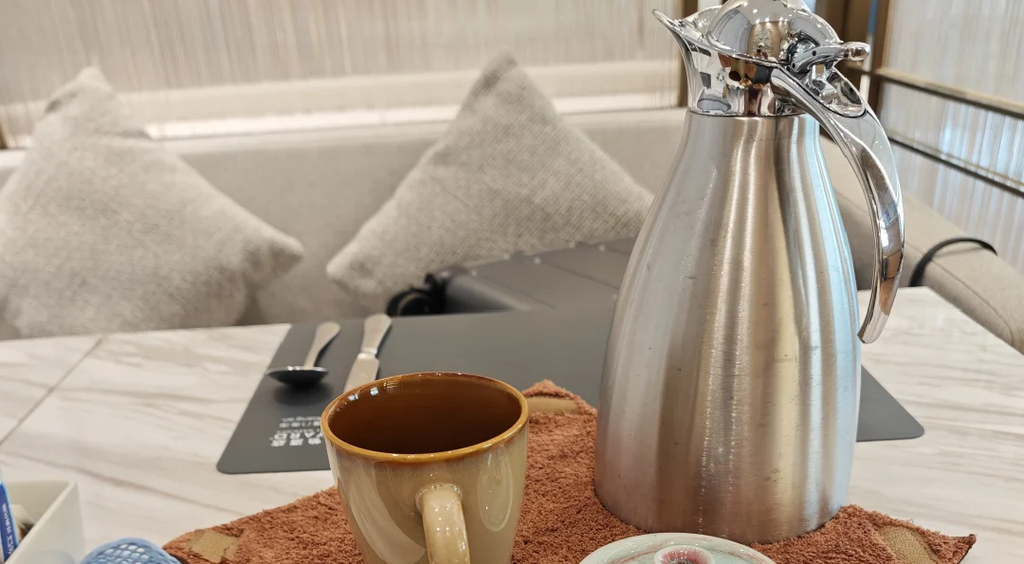
In many Western countries, a glass of ice water is standard at restaurants. In China, however, hot water or tea is the norm. Even in summer, many people prefer warm drinks with their meals. This habit is rooted in traditional Chinese medicine, which considers cold drinks hard on the digestive system. If you are studying Chinese in Kunming, you will quickly get used to hearing “hot water” (热水) at every meal.
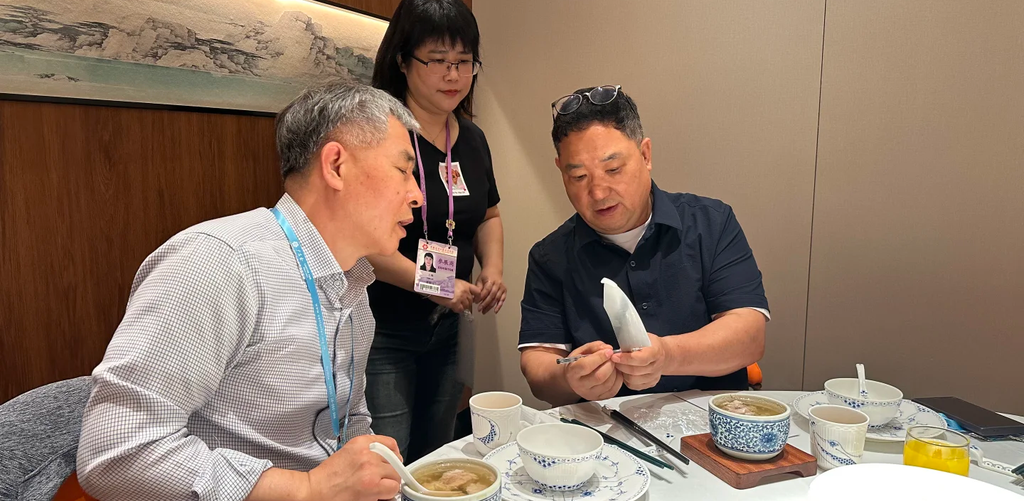
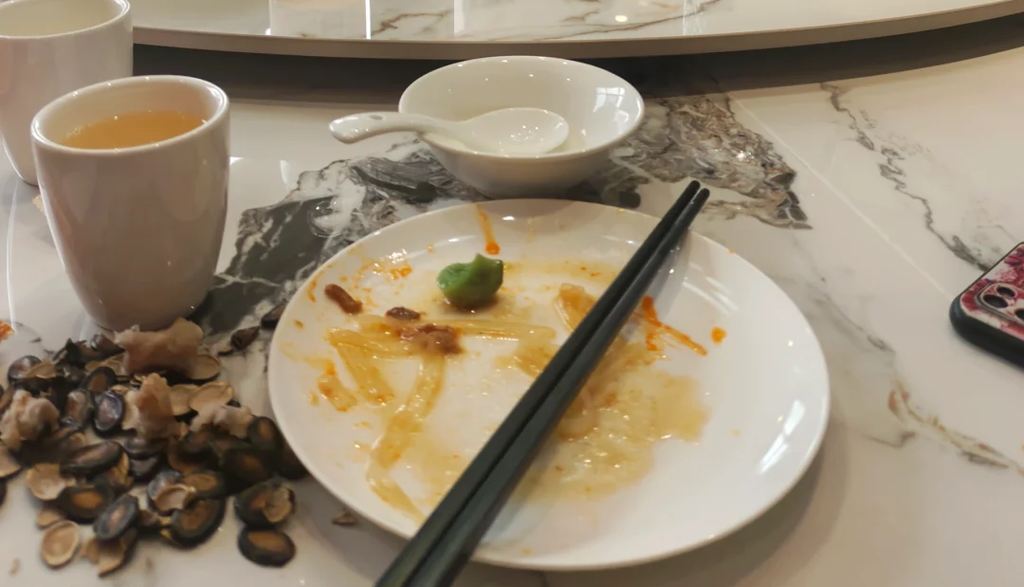
For many foreigners, seeing bones, shells, and other food scraps placed directly on the table—rather than on a separate plate—can be surprising. In China, it is common to put these items on the table or on a small plate provided for that purpose. It is not considered rude; it is simply practical. If you are taking a Chinese language program in Kunming, your teachers might explain these small cultural details, which are often more valuable than textbook vocabulary.
Many Chinese restaurants feature round tables with a rotating center, known as a Lazy Susan. This allows everyone to reach the shared dishes easily. It is a practical solution for large groups and is especially common in banquet-style meals. If you are taking a Mandarin class in Kunming, you may experience this during a school-organized cultural dinner or a weekend trip to a local restaurant near Green Lake Park.
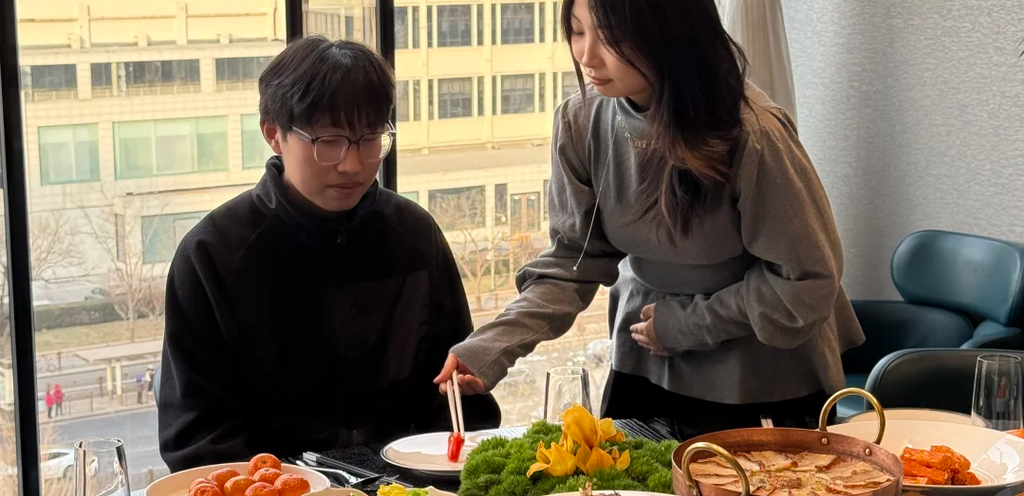
In Chinese culture, food is often used to express care and affection. Hosts will repeatedly encourage guests to eat more, and refusing food can sometimes be seen as impolite. This can be overwhelming for foreigners who are used to more personal boundaries around eating. But once you understand the intention behind it, it becomes a warm and welcoming part of the culture. If you are taking a Chinese course in Kunming, your host family or teachers might show their care by offering you extra servings or recommending local specialties like crossing the bridge noodles.
In China, meals are rarely just about eating. They are social events that can last for hours. People talk, laugh, and enjoy each other’s company. This is very different from the quick, individual meals common in many Western countries. For anyone taking a Chinese course in Kunming, this is good news: the more you share meals with locals, the more opportunities you have to practice your Mandarin in a relaxed, natural setting.
If you are planning to learn Chinese in Kunming, understanding these food habits will help you feel more at home. You will not only enjoy better meals but also build stronger connections with the people around you. And the next time you sit down at a round table with a Lazy Susan, you will know exactly what to do. From the tea houses near Green Lake to the lively markets around Dounan Flower Market, Kunming offers endless chances to learn both the language and the culture—one meal at a time.
Thank you so much for contacting Sojourn Abroad! We can’t wait to welcome you in China!