


We will get back to you within 1 working day!
Thank you so much for contacting Sojourn Abroad! We can’t wait to welcome you in China!

When the idea of learning Mandarin first enters an expat’s mind, Shanghai often appears as the obvious answer. It is modern, connected, and filled with opportunities. Yet, after living here for a while, many foreigners discover that the reality of language learning in a global city is more complex than they expected.
Shanghai is not a magic solution. You cannot simply move here and expect fluency to arrive without effort. The city offers incredible advantages, but it also presents unique challenges that can slow your progress if you are not prepared. So, is Shanghai genuinely a good place to learn Chinese? The answer depends largely on your personality, your study habits, and your willingness to step outside your comfort zone.
Let me walk you through the honest pros and cons of learning Mandarin in Shanghai, based on real experiences of expats who have walked this path before.


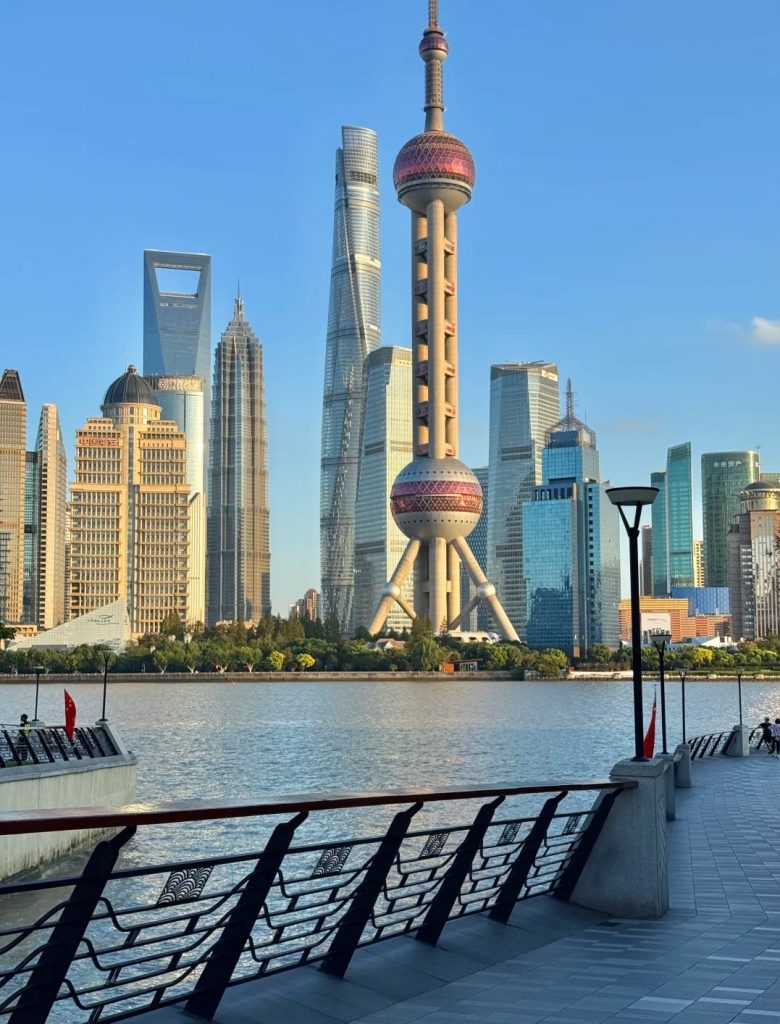
Beyond the classroom, Shanghai offers living Chinese culture on every street corner. Walking through a local market, sitting in an old teahouse, or watching neighbors practice tai chi in the park all help you understand the context behind the language. These everyday moments teach you vocabulary and social cues that textbooks often miss. The city also hosts countless festivals, art shows, and food markets throughout the year, each giving you a natural reason to use Mandarin. For curious learners willing to step outside their comfort zone, Shanghai becomes a living classroom that no textbook can replace.
Unlike learning a language in your home country, where practice opportunities must be arranged in advance, Shanghai places you inside a living classroom. Every time you leave your apartment, you have a chance to use Chinese. Ordering coffee, asking for directions, negotiating prices at a local market, speaking with your apartment security guard, or explaining a problem to a delivery rider, these daily interactions add up quickly.
Over time, these small moments build real confidence. You learn practical vocabulary that textbooks often overlook. You become comfortable with being imperfect. And gradually, you stop translating in your head before speaking. That kind of natural progress is difficult to achieve outside of an immersive environment.
Of course, how quickly you experience these everyday practice opportunities depends greatly on where you choose to live in Shanghai. Some neighborhoods surround you with English speakers and international conveniences, which can be comfortable but limiting for language growth. Others immerse you in local life, where ordering breakfast or asking for directions becomes a natural part of your morning routine. Choosing the right area to call home can make a real difference in how often you use Chinese outside the classroom. For a closer look at which parts of the city offer the best balance of student life and language immersion, this blog has you covered: Best Neighborhoods in Shanghai for International Students.
Learning a language takes months and years. Staying motivated over that period is not easy. Shanghai helps with this because it is an genuinely interesting place to live. When you are not studying, you can explore historical alleys, visit museums, attend cultural festivals, or try regional Chinese cuisines. These experiences keep you engaged with Chinese culture, which in turn fuels your desire to learn the language.
When you see your progress allowing you to understand more of a conversation at a tea house or read a menu more confidently, you feel encouraged to continue. Shanghai provides endless small rewards for your learning efforts. If you are curious about how learning Mandarin can benefit your career, this blog offers a closer look: How Learning Mandarin in Shanghai Can Boost Your Global Career.


This is the most common frustration among expats trying to learn Chinese in Shanghai. Because the city is so international, English is everywhere. Menus have English translations. Subway announcements are in both languages. Many service workers speak basic English. And when you try to speak Chinese, well-meaning locals often switch to English as soon as they notice your accent or hesitation.
While this makes daily life comfortable, it is terrible for language acquisition. Your brain naturally takes the path of least resistance. If you know you can fall back on English, you will. Many expats live in Shanghai for years and never advance beyond survival phrases, not because they lack intelligence, but because the city never forces them to struggle through difficult conversations.
Shanghai has a thriving international community. You can find English-speaking doctors, international grocery stores, expat networking events, and social groups where Mandarin is never spoken. It is entirely possible to build a happy, successful life in Shanghai without using Chinese for more than ordering takeout.
This bubble is comfortable, but it is also a trap. If your social circle and daily routines do not require Chinese, your language skills will plateau quickly. Breaking out of this bubble requires deliberate effort. You must actively seek situations where you are the only non-Chinese speaker in the room, which can be intimidating for many people.
While Mandarin is the official language of education and media, the streets of Shanghai carry another sound. Shanghainese, a Wu dialect, is still spoken by many older residents, taxi drivers, and market vendors. For a beginner, hearing Shanghainese can be disorienting. The tones are different. The vocabulary is different. You might worry that you are not understanding Mandarin when in fact you are hearing something else entirely.
This does not make learning impossible, but it adds an extra layer of complexity. You need to develop the ability to recognize when you are hearing Shanghainese versus Mandarin, which takes time and patience.
Shanghai is not a relaxed city. Many expats come here for demanding careers in finance, technology, trade, or education. After a long workday and a crowded commute, finding the energy to sit down with flashcards or a textbook is genuinely difficult. Weekends fill up with social obligations and errands. Before you know it, months have passed without meaningful study.
On top of that, Shanghai is an expensive city to live in. Rent, dining out, transportation, and everyday expenses add up quickly. The financial pressure often pushes expats to work longer hours or take on side gigs, leaving even less time and mental bandwidth for language learning. When you are constantly worried about your budget, spending an hour on character writing can feel like a luxury you cannot afford.
Language learning requires consistency. Even thirty minutes a day is more valuable than several hours once a week. But Shanghai’s fast rhythm and high cost of living can make that daily commitment harder to maintain than you might expect. The good news is that learning Chinese does not have to break the bank. If you are looking for practical ways to reduce your expenses while still making solid progress, this blog has you covered: Shanghai Student Budget: How to Learn Chinese for Less.
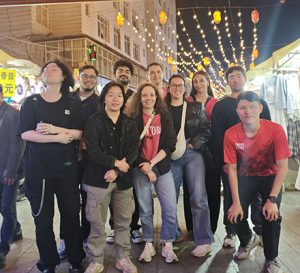

Given these challenges, is Shanghai still a good choice? Yes, but only if you approach it with a clear strategy. Success here requires three things: structure, accountability, and a willingness to be uncomfortable.
First, you need a study plan that does not rely on willpower alone. Deciding to “pick up some Chinese” will not work. You need scheduled lessons, clear goals, and regular practice.
Second, you need someone or something to keep you accountable. When motivation fades, which it will, accountability keeps you moving forward. This is why many successful learners in Shanghai work with structured programs rather than trying to learn on their own.
Third, you need to deliberately leave the expat bubble. Join a hobby group where Chinese is the main language. Shop at local markets instead of international supermarkets. Watch Chinese television shows. Make friends who do not speak English. None of this is easy, but it is necessary.
If you are serious about making progress while living in Shanghai, finding the right learning support makes a meaningful difference. This is where Sojourn Abroad can help. They understand the specific challenges of learning Mandarin in a first-tier Chinese city, from the distraction of the expat bubble to the difficulty of finding structured, consistent instruction. Whether you are starting from zero or trying to break through an intermediate plateau, their approach is designed to help you build real, usable language skills without pretending that Shanghai is a perfect immersion environment. You can learn more about their programs Sojourn Abroad and philosophy by visiting their website.
Shanghai is a city of contrasts. It gives you access to excellent teachers and endless practice opportunities, but it also surrounds you with English speakers and comfortable shortcuts. It rewards self-discipline and punishes passivity.
For beginners who need gentle encouragement and frequent English support, Shanghai can actually be a slower place to learn compared to smaller cities where English is rare. For intermediate learners who already have a foundation and want to accelerate, Shanghai is one of the best places in the world.
Ultimately, the city does not determine your success. You do. If you bring a solid plan, consistent effort, and a willingness to feel awkward sometimes, Shanghai will reward you with progress. If you expect the city to teach you without your active participation, you will likely stay stuck where you started.
Choose Shanghai because you want a rich, exciting life while you learn. But do not choose Shanghai expecting an easy path. The best things in language learning, like the best things in life, require effort. And Shanghai will certainly ask for yours.
By Karina
Course Consultant at Sojourn Abroad
Helping you navigate your study abroad journey.
Thank you so much for contacting Sojourn Abroad! We can’t wait to welcome you in China!