


We will get back to you within 1 working day!
Thank you so much for contacting Sojourn Abroad! We can’t wait to welcome you in China!
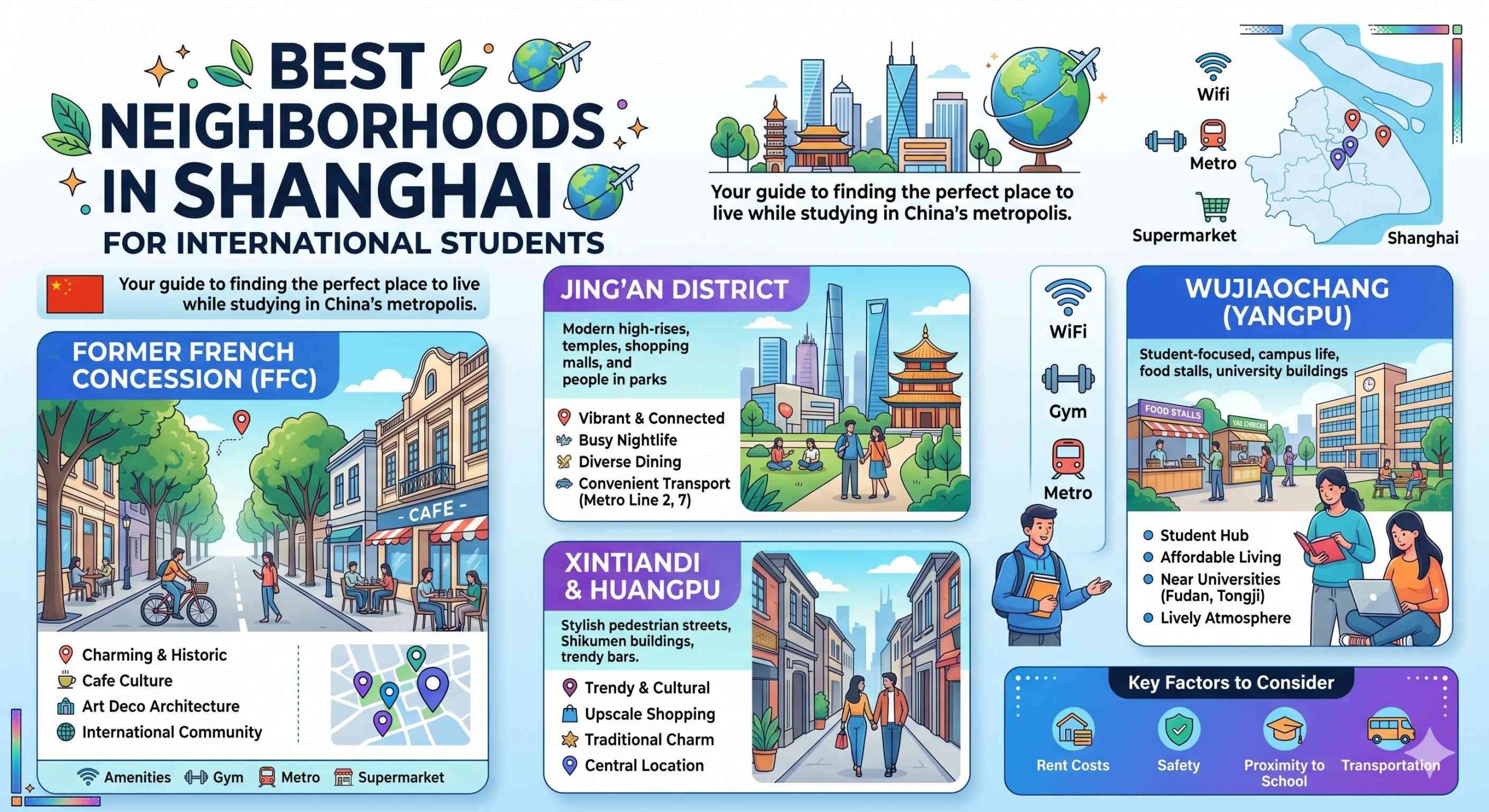
Choosing to study in Shanghai means you need to find a neighborhood that suits your lifestyle. For international students, where you live directly affects your language learning progress, your social circle, and how convenient your daily life feels.
Every area of Shanghai has its own rhythm and character. Some places are lively and convenient, perfect for students who enjoy city life. Others are quieter and more residential, ideal for those who need focus for their studies. And then there are neighborhoods filled with old Shanghai charm, allowing you to experience the city’s history outside the classroom.
So which neighborhoods are best for international students? Below, we break down several popular areas based on transportation, cost of living, language environment, and safety. Hopefully, this will help you find the right place to call home.
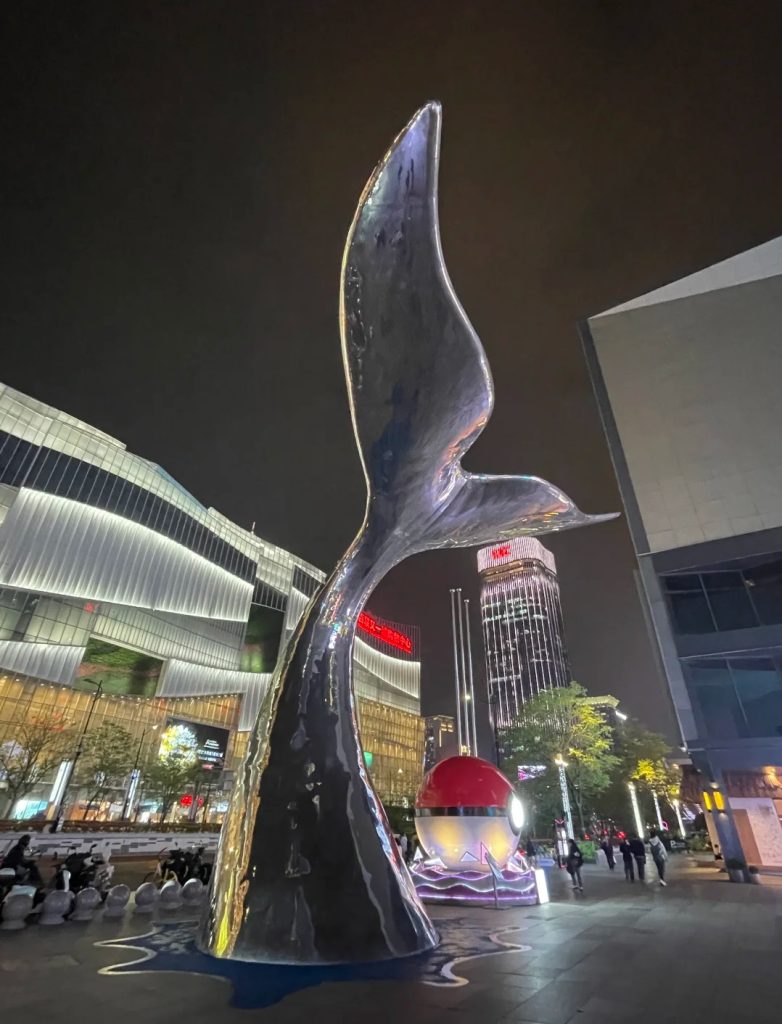

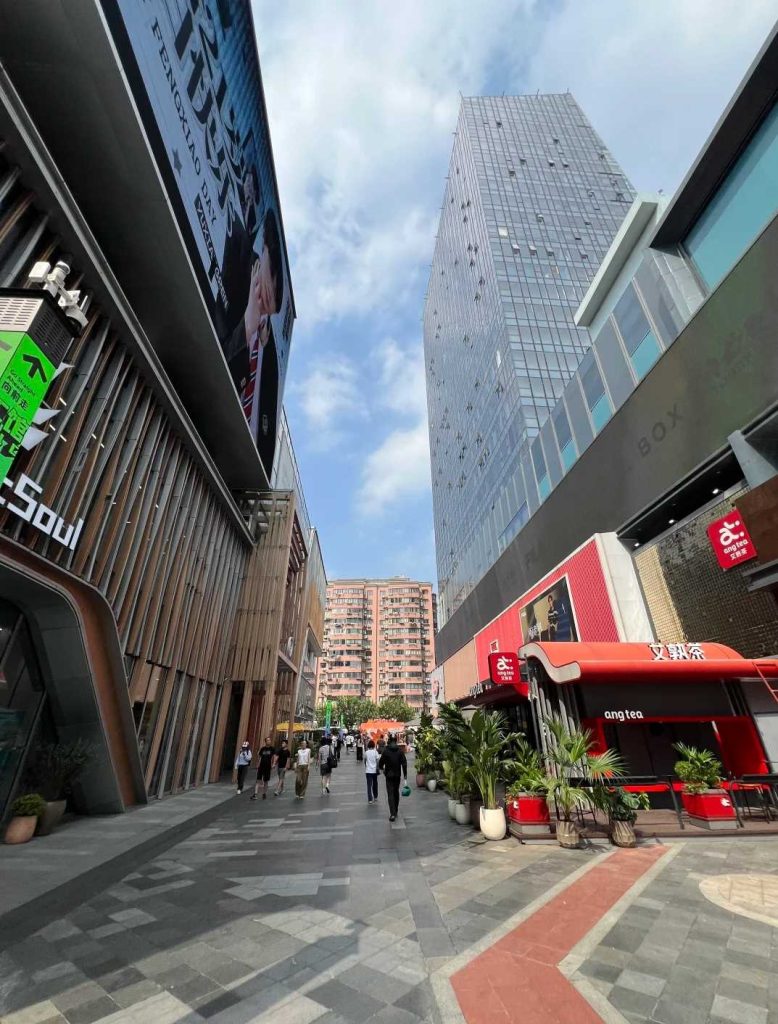
Wujiaochang is the commercial and transportation hub of Yangpu and the center of student life in northeastern Shanghai.
Wujiaochang gets its name from the intersection of five major roads. The area is filled with shopping malls, restaurants, cinemas, and bookstores. The biggest advantage of living here is convenience. Metro Line 10 runs through the entire area, making it easy to reach Nanjing East Road, Xintiandi, or Hongqiao Hub. As a student-heavy area, the cost of living is relatively budget-friendly. Whether you are eating out, shopping, or looking for entertainment, there are plenty of options that fit a student’s budget.
The residential areas around Wujiaochang are well-established, with plenty of rental options ranging from student apartments to shared housing. For international students new to Shanghai, this neighborhood offers a comfortable pace and is a solid starting point.
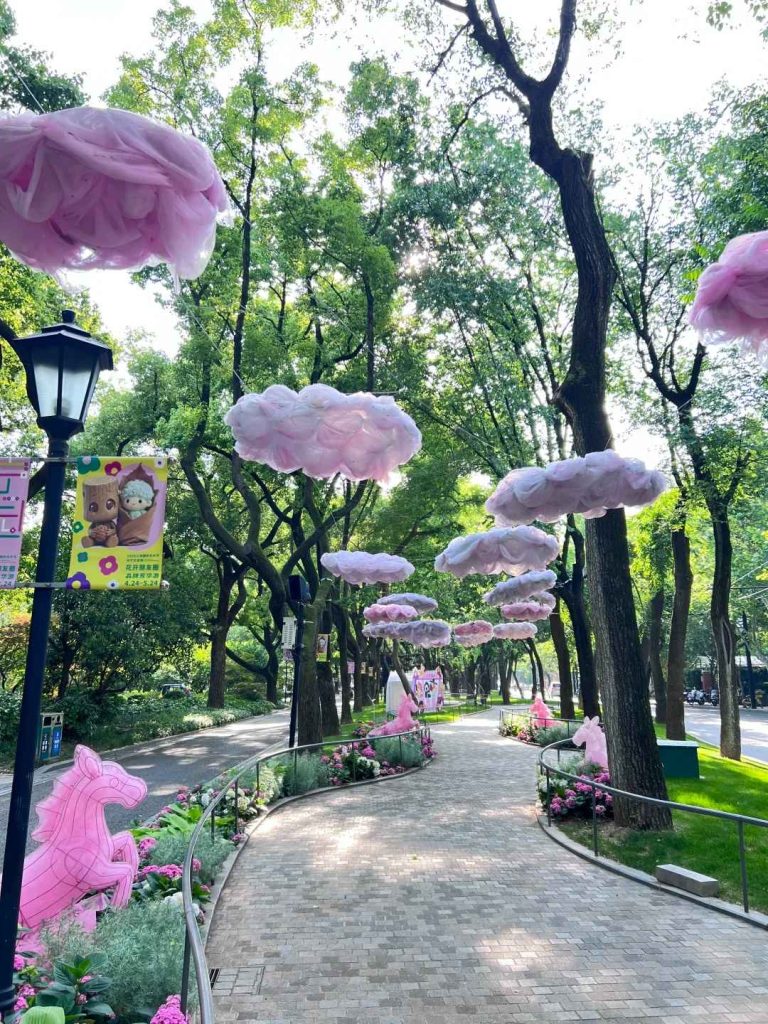
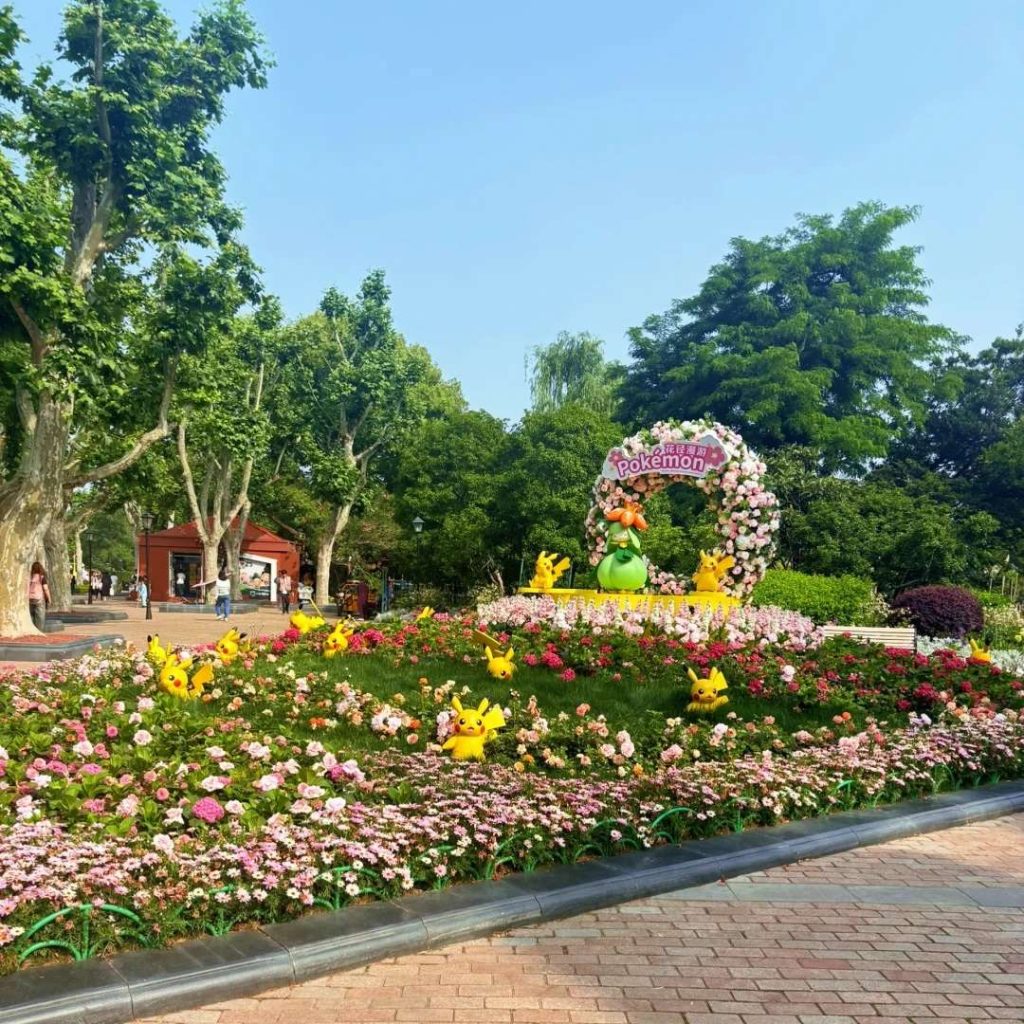
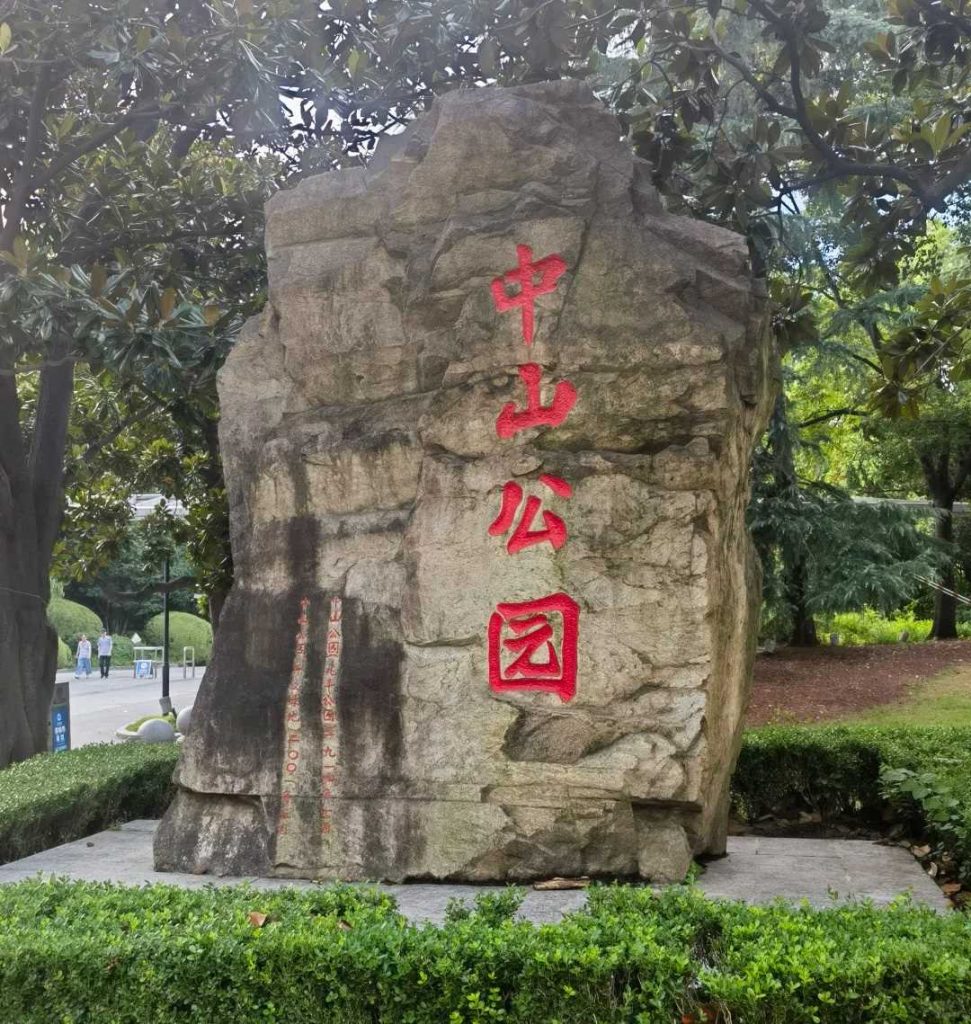
If you want to live in a transportation hub in western Shanghai, Zhongshan Park is worth considering. It is the intersection of Metro Lines 2, 3, and 4, meaning you can reach Pudong, Hongqiao, Shanghai Railway Station, and other key locations without transferring.
Zhongshan Park has large shopping centers, a wide variety of dining options, and several language schools. Many international students choose this area because the amenities are mature and convenient. Supermarkets, pharmacies, banks, and gyms are all within walking distance.
Changning District has long been one of Shanghai’s more international-friendly areas. Many services near Zhongshan Park offer English support, which can help you ease into life in Shanghai if your Chinese is still at a beginner level. Of course, if your goal is to improve your Chinese quickly, you will also need to be mindful not to rely too much on the English-speaking environment. More on that later.
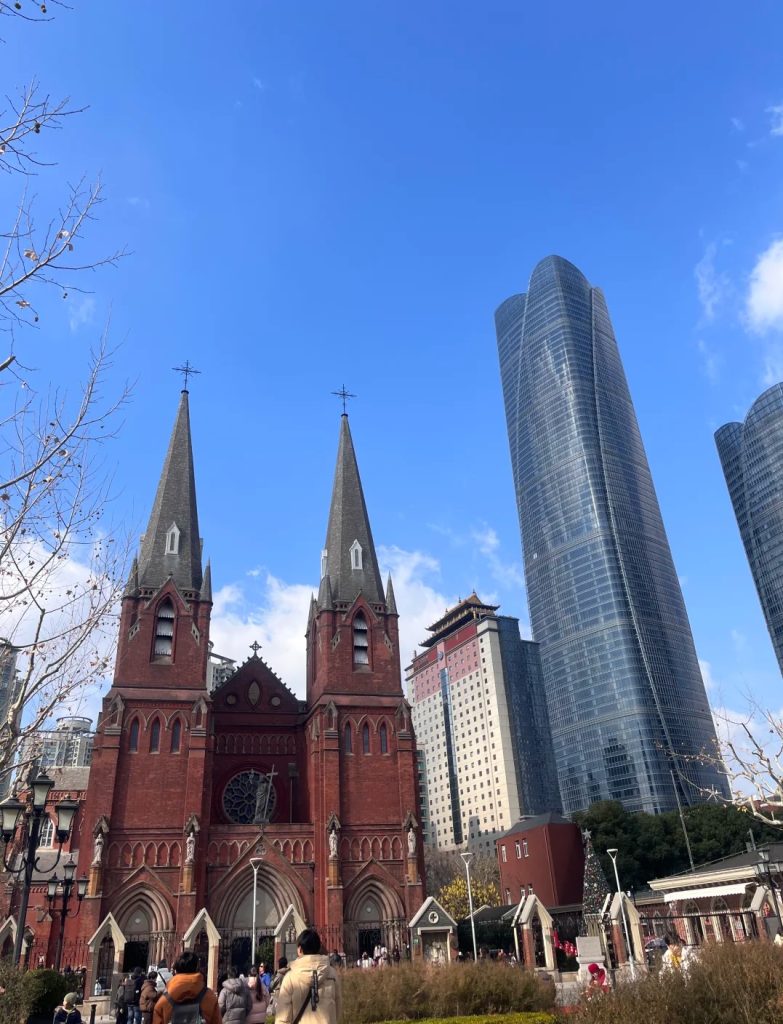
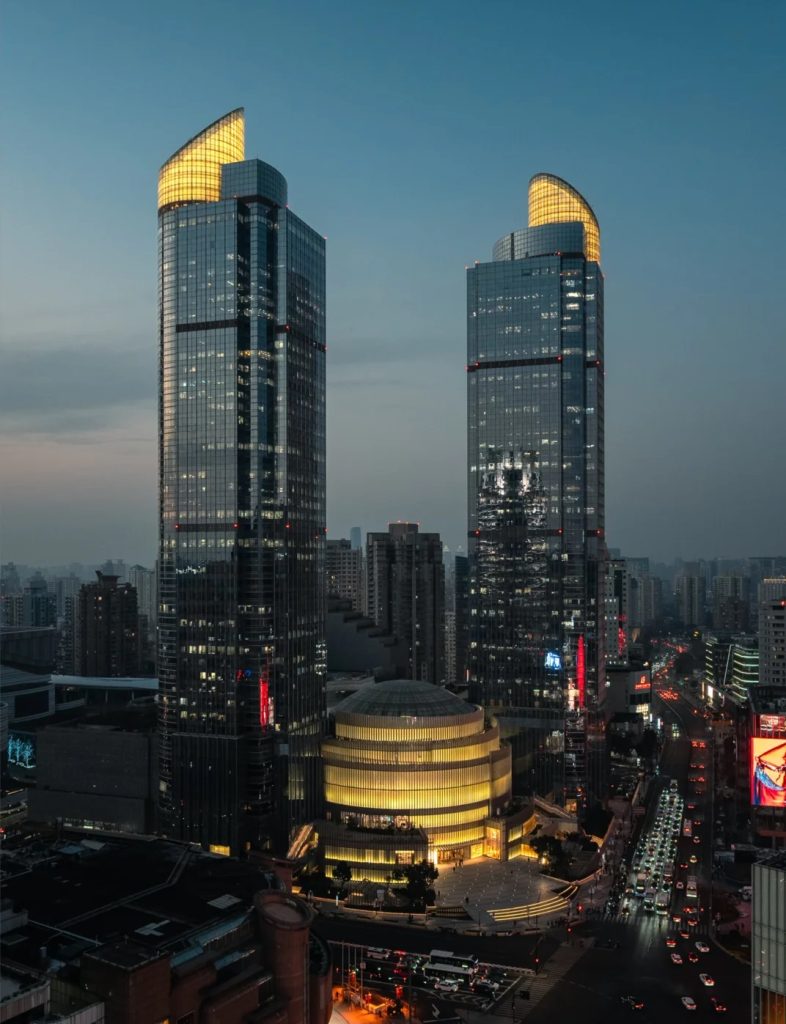
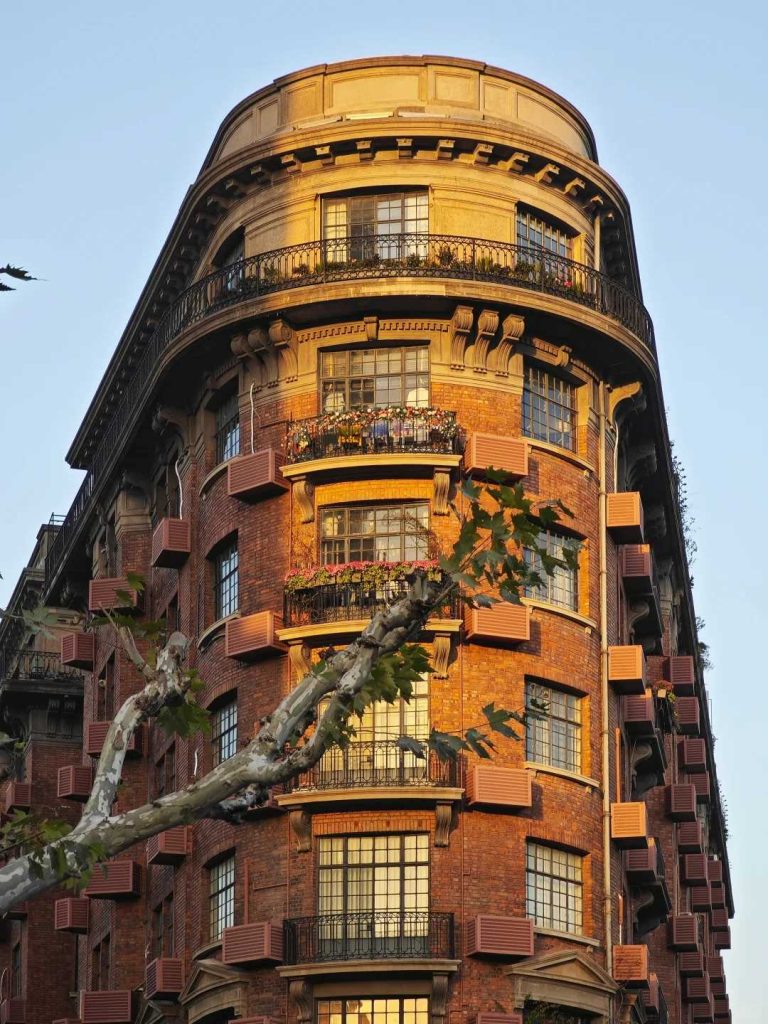
Xuhui District is one of Shanghai’s most beloved areas for international students, and for good reason. It offers a mix of tree-lined streets, historic French Concession architecture, respected universities, and a relaxed yet cultured atmosphere.
Within Xuhui, you will find several distinct pockets. Xujiahui is the commercial heart of the district, with large shopping centers, busy intersections, and excellent metro connections (Lines 1, 9, and 11). Living near Xujiahui means you are never far from a cinema, bookstore, or cafe. Hengshan Road and Fuxing Road offer quieter, more picturesque streets lined with plane trees and old villas. This part of Xuhui is ideal for students who enjoy long walks, people-watching, and a slower pace of life.
Rental prices in Xuhui vary widely. Xujiahui can be on the higher end, but areas slightly further from the commercial center offer more reasonable options. For students who value culture, green space, and a strong sense of community, Xuhui is a top contender.


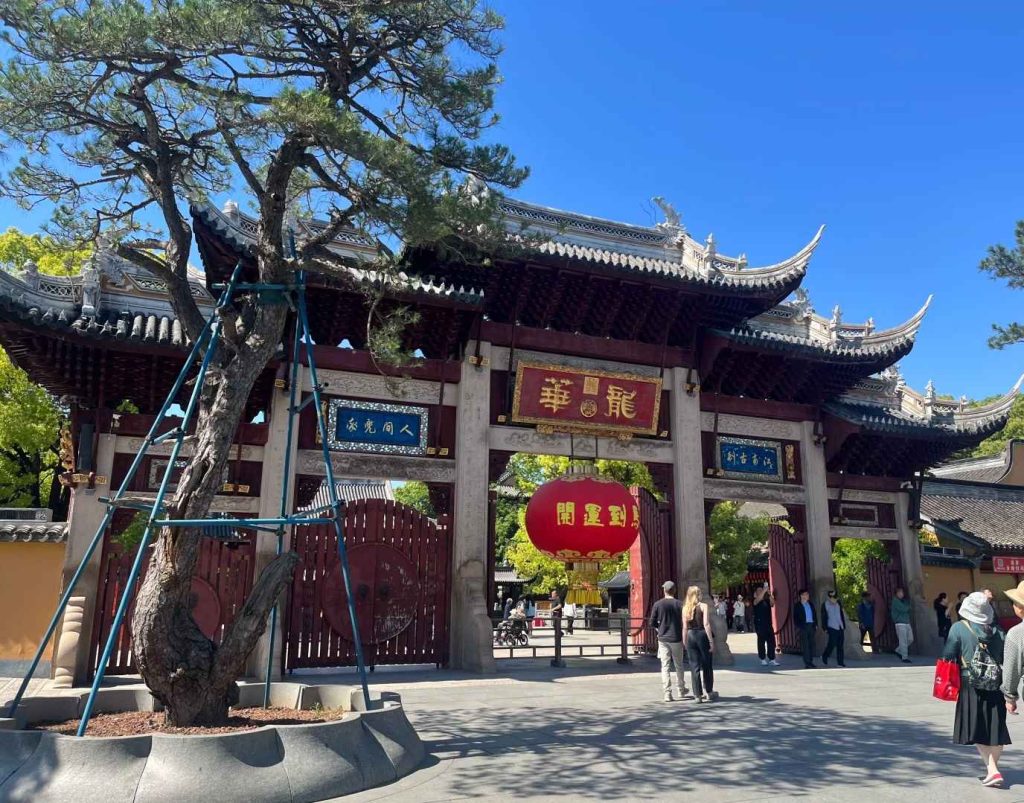
If your priority is a peaceful, safe, and culturally rich environment, Longhua is an option that is often overlooked but well worth considering.
Longhua is located in southern Xuhui District, known for Longhua Temple. It does not have the noise of the city center, but access to Metro Lines 11 and 12 makes getting around manageable. For students studying in Xuhui District, Longhua offers a reasonable commuting distance.
Rental prices here are noticeably more affordable than in areas like Xujiahui or Hengshan Road, while still giving you access to Xuhui’s good public facilities and community services. If you need a quiet environment to focus on your studies, Longhua is a strong candidate.
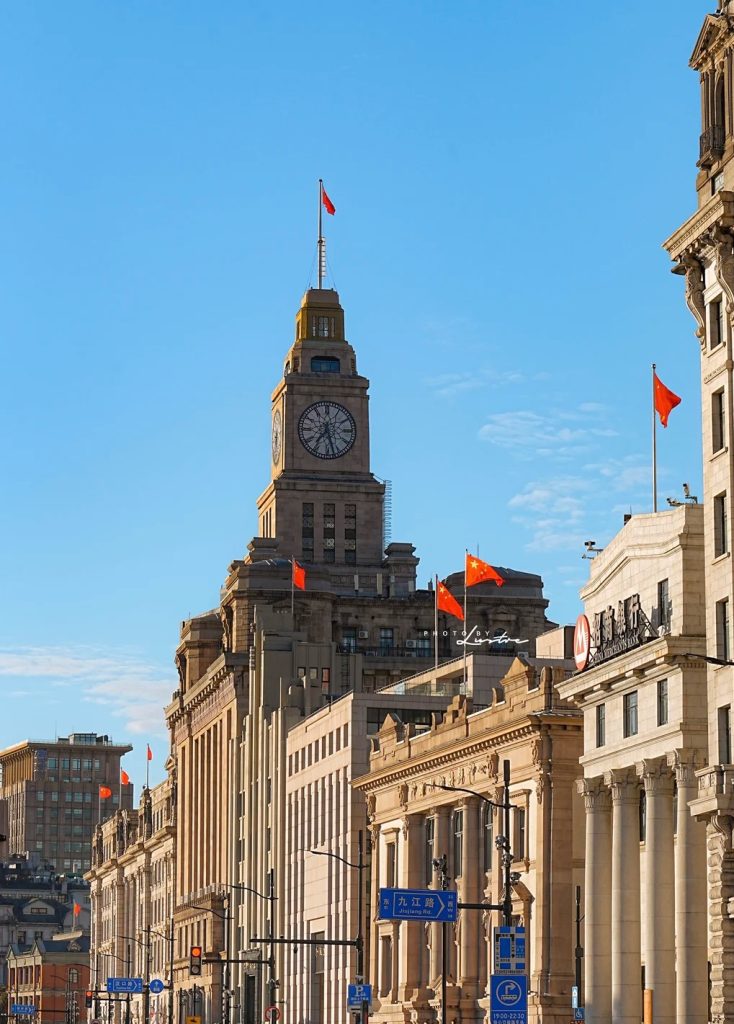
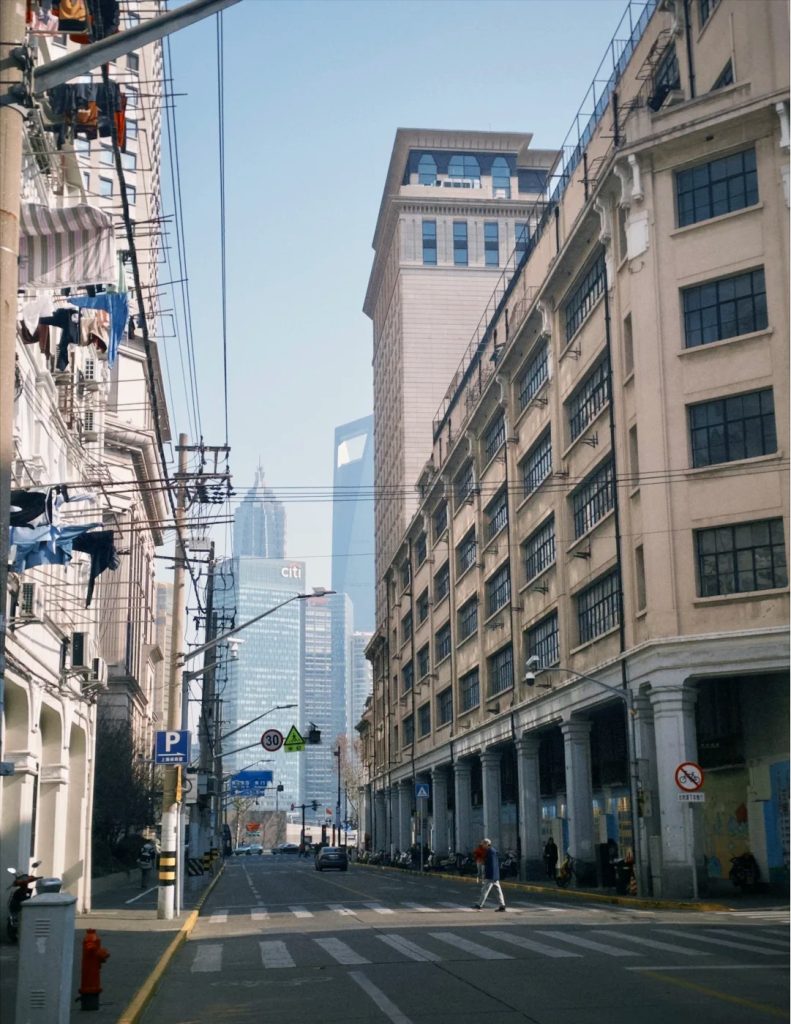
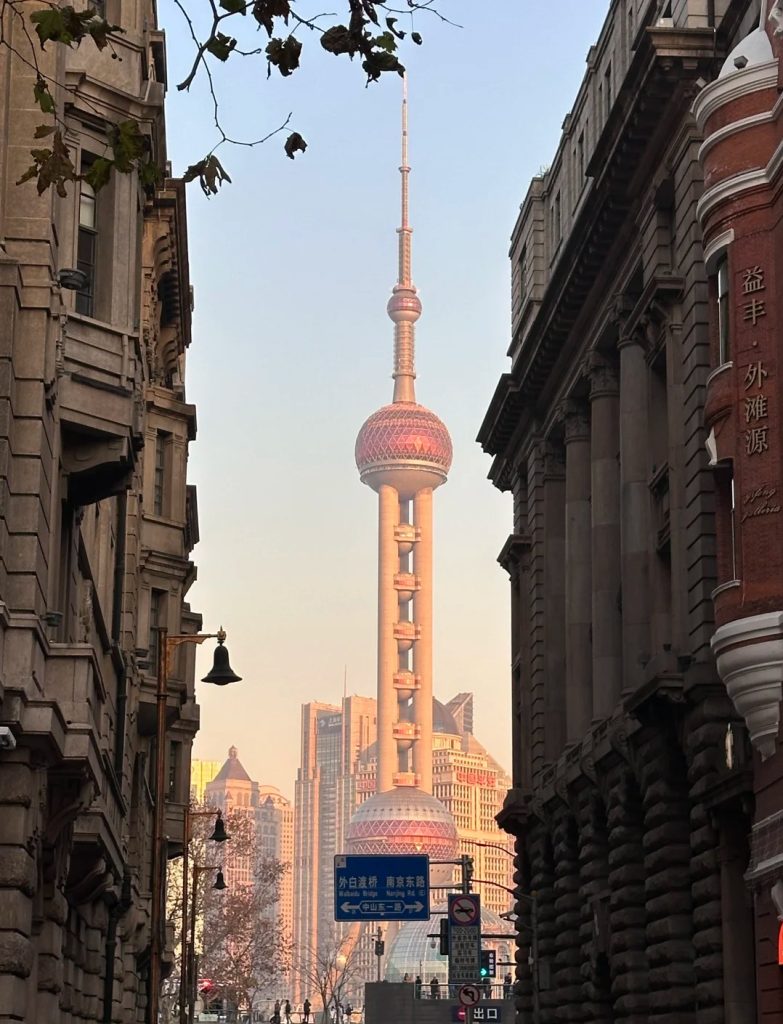
Huangpu District is where old Shanghai meets modern energy. It is home to the Bund, People’s Square, Nanjing East Road, and Xintiandi. For international students who want to be in the absolute center of the city, Huangpu is hard to beat.
Living in Huangpu means you are surrounded by history at every turn. You can walk to the Bund to see the iconic skyline, explore the winding lanes of the old city, or visit the Shanghai Museum. The metro connections are excellent, with Lines 1, 2, 8, 10, and 13 all running through the district.
That said, Huangpu is not the most budget-friendly option. Rent and daily expenses tend to be higher here than in Yangpu or Jinqiao. However, if you value convenience, history, and having everything within walking distance, and if your budget allows, Huangpu is an exciting place to live. Many international students choose to live just outside the most expensive parts of Huangpu while still enjoying easy access to the district’s attractions.
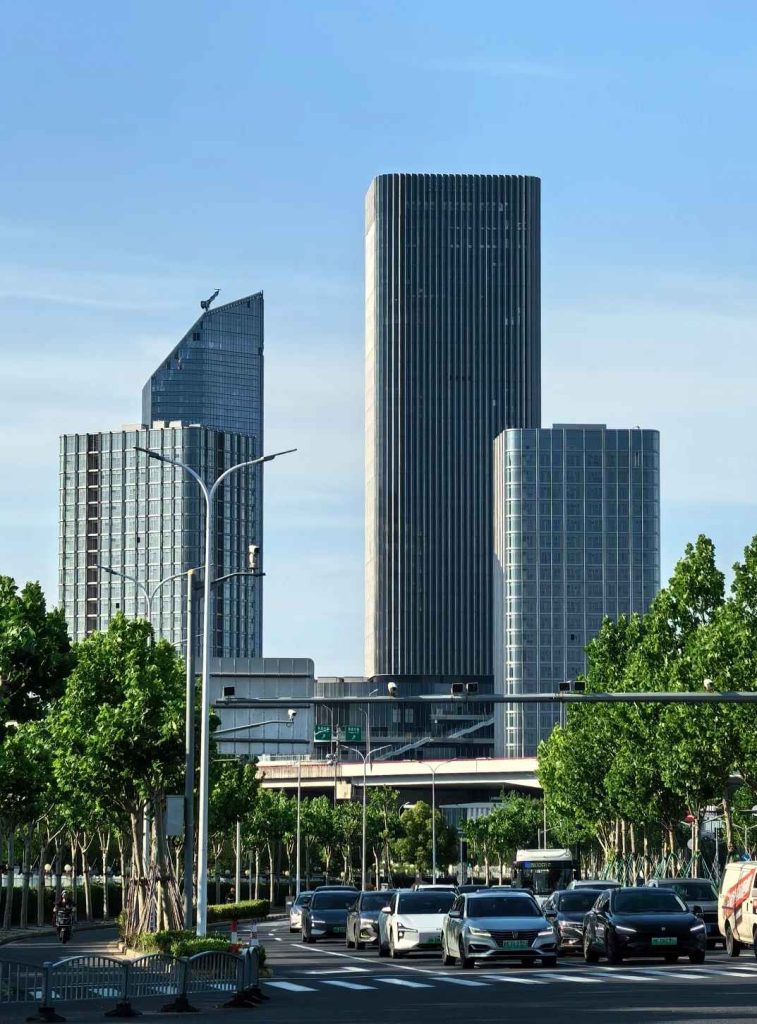
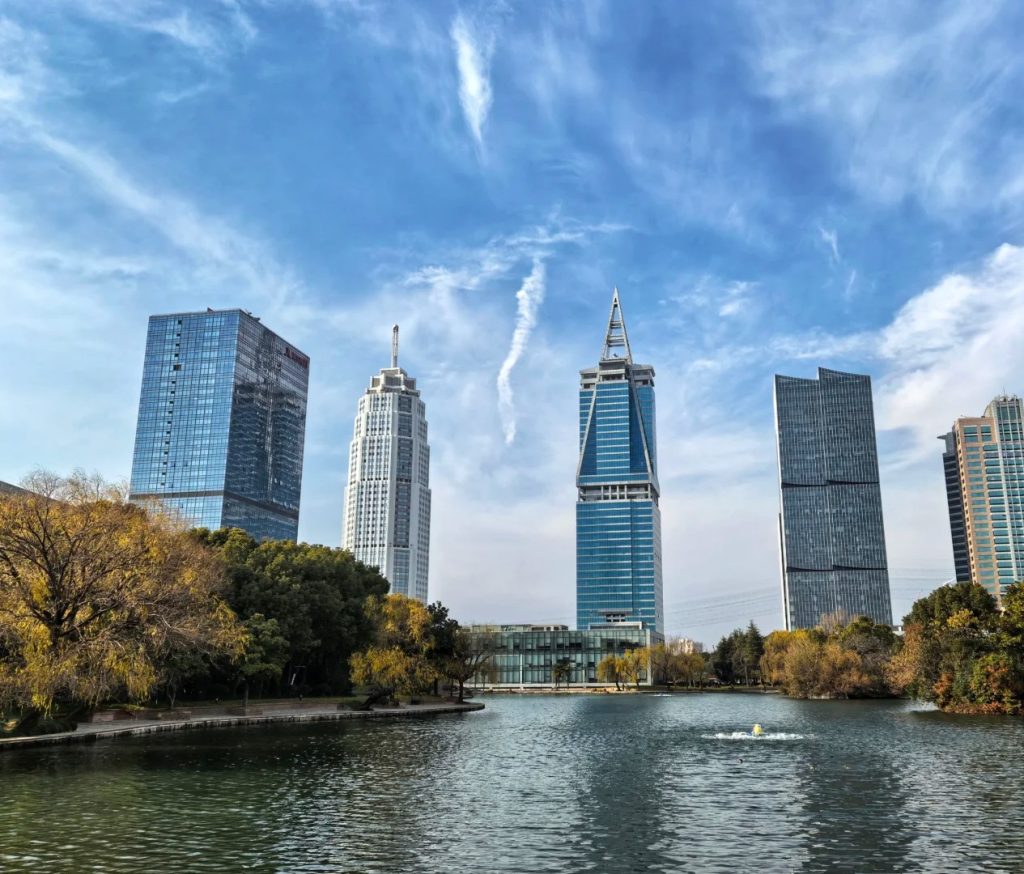
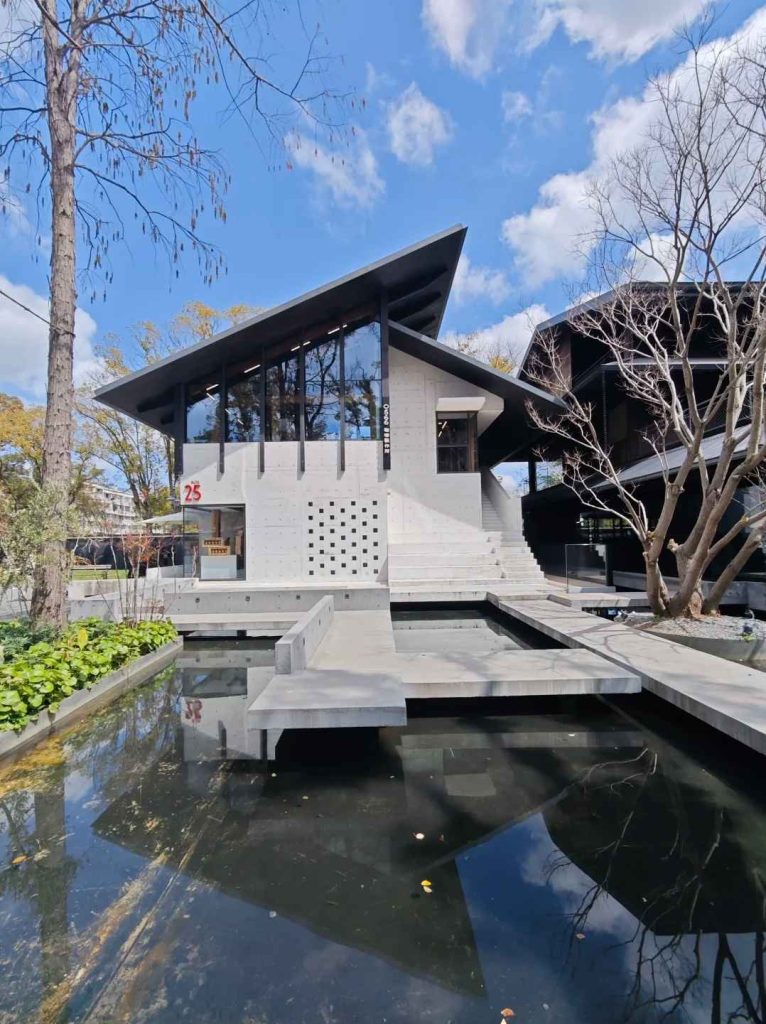
Many international students focus their search on Puxi, but Pudong also has neighborhoods worth considering. Jinqiao is one of them.
Jinqiao is located in the north-central part of Pudong, served by Metro Lines 6 and 9. Compared to Lujiazui or Century Avenue, the cost of living in Jinqiao is lower, but daily amenities are complete. There are large supermarkets, shopping centers, and a clean, well-organized community environment.
The advantage of Jinqiao is that you can get a more spacious room for a reasonable rent compared to Puxi. If having a dedicated study space is important to you, this is a practical choice. Of course, commuting from Jinqiao to most universities in Puxi will take more time, so be sure to check the commute based on your school’s location.
If you are looking to keep your overall spending in check while studying in Shanghai, choosing an affordable neighborhood like Jinqiao is a smart first step. For more practical tips on saving money on housing, food, transportation, and even language classes, check out this blog: Shanghai Student Budget: How to Learn Chinese for Less.
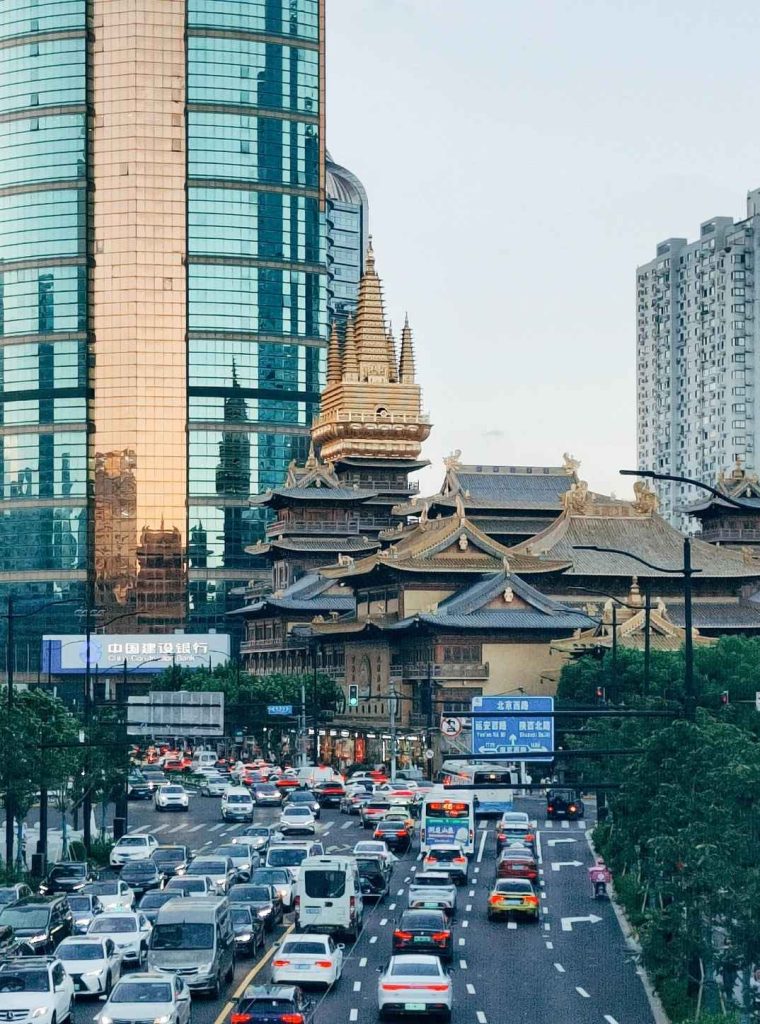
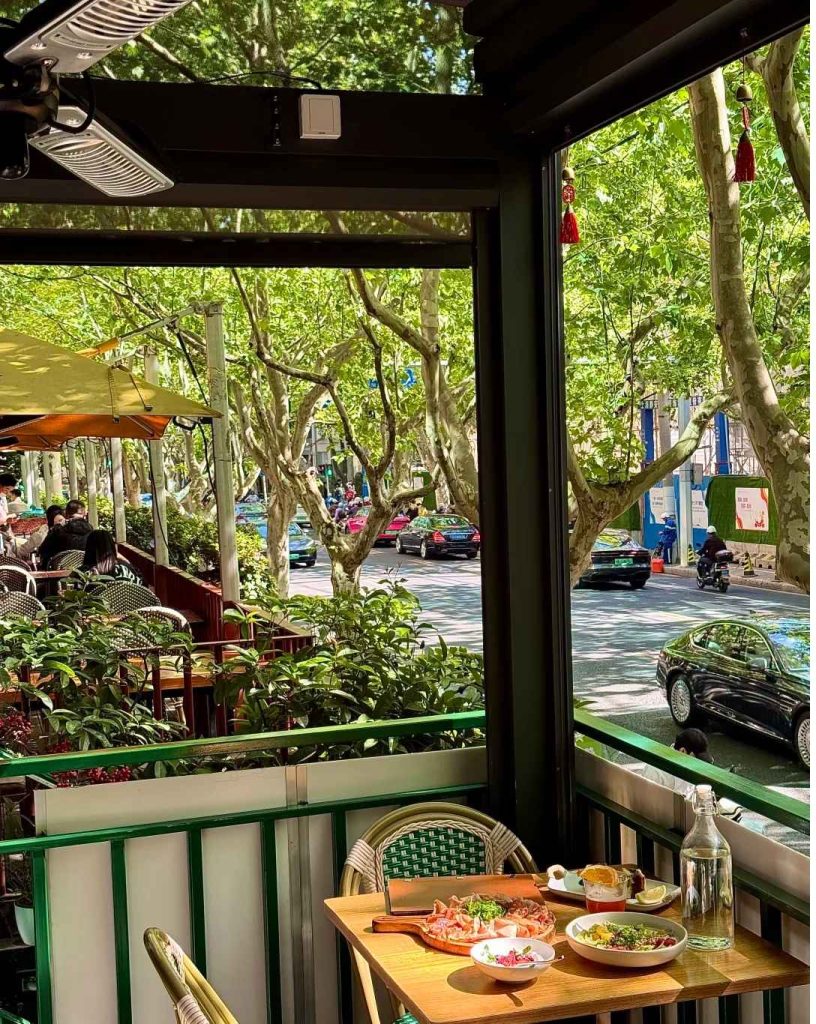
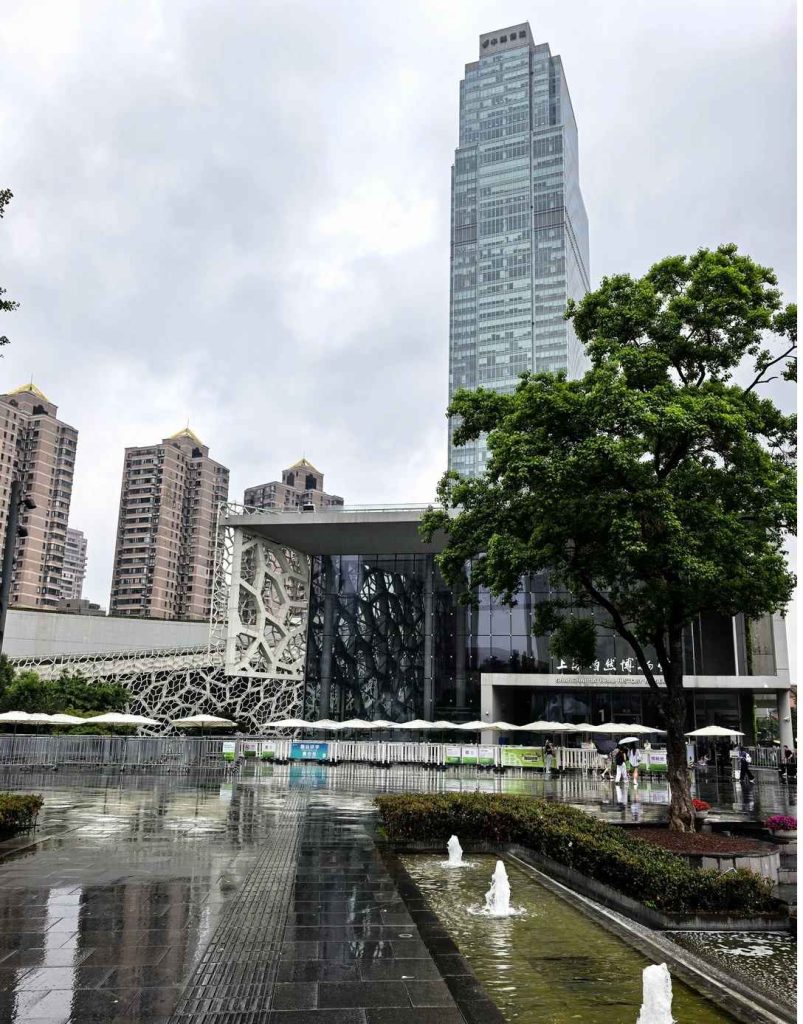
There is one more area that deserves special attention: Jing’an District.
Jing’an is one of Shanghai’s most central and well-connected districts. It strikes a fine balance between modern luxury and old-town charm. You will find historic lane houses sitting next to sleek office towers, and traditional noodle shops tucked beneath boutique stores.
Sojourn Abroad is located in Jing’an District, right next to Nanjing West Road – one of Shanghai’s most famous shopping and commercial streets. This location offers several advantages for international students. First, transportation is exceptionally convenient, with multiple metro lines running through the area. Second, you are close to a wide range of restaurants, cafes, study spaces, and cultural attractions. Third, the area is safe, walkable, and full of character.
Living in or near Jing’an means you never have to go far to find something interesting to do or see. Yet unlike some busier tourist areas, Jing’an retains a relaxed and welcoming atmosphere. For students who want to be in the heart of Shanghai without feeling overwhelmed, Jing’an is an excellent choice.
One of the best things about Sojourn Abroad’s location in Jing’an District (next to Nanjing West Road) is how easy it is to reach other popular student neighborhoods. Here is a quick guide on how to get from Sojourn Abroad to each of the areas mentioned above:
To Wujiaochang (Yangpu District):
To Zhongshan Park (Changning District):
To Xujiahui (Xuhui District):
To Longhua (Xuhui District):
To Huangpu District (People’s Square / The Bund area):
To Jinqiao (Pudong New Area):
To Jing’an District (where Sojourn Abroad is located):
As you can see, from Sojourn Abroad’s base in Jing’an, you can reach every major student neighborhood – from historic Huangpu to cultural Xuhui to budget-friendly Jinqiao – within 5 to 40 minutes by metro. This makes it a convenient home base whether you are studying at a university in Puxi or exploring different parts of the city.
The neighborhoods mentioned above each have different strengths. There is no single “best” option – only what fits your lifestyle and learning goals. Before deciding, ask yourself a few questions:
Your answers to these questions will help narrow down your choices.
For international students arriving in Shanghai, finding an apartment is often one of the most stressful parts of the move. You may not be familiar with different neighborhoods, the rental process can be confusing, language barriers are real, and there is always the fear of being overcharged by agents.
Sojourn Abroad understands these challenges. They offer four different types of accommodation options, each carefully selected to be close to school. This means you can have a comfortable and convenient place to live from your very first day in Shanghai. Whether you prefer to live in a lively student area or a quieter residential neighborhood, there is likely an option that suits you.
If you prefer to find your own place, Sojourn Abroad can still help. Their team provides guidance on selecting an apartment based on your budget, school location, and lifestyle preferences. They can offer neighborhood analysis and practical advice to help you make a more informed decision in a city as large as Shanghai. This way, you can spend more of your energy on your studies and language learning, rather than getting lost in the housing search.
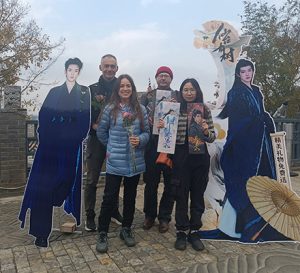
Finally, let’s talk about something that is often overlooked: How does the neighborhood you choose affect your Chinese learning?
Living in an international-friendly area makes daily life very convenient. But you may find that opportunities to use Chinese are fewer than you expected. Supermarket cashiers speak English. Restaurant servers hand you an English menu when they see a foreign face. Your neighbors are used to greeting foreigners in English. In this kind of environment, your Chinese progress may be slower than you hoped.
On the other hand, if you choose to live in a more locally focused neighborhood, you will need to use Chinese for daily tasks – buying groceries, eating out, asking for directions, picking up packages. These small, ordinary interactions are actually some of the most valuable moments for language learning.
This is not to say you should deliberately choose an inconvenient life. Rather, when making your decision, consider your language learning goals as part of the equation. If you truly want to improve your Chinese during your time in Shanghai, choosing a neighborhood that gently pushes you out of your comfort zone will help you more than staying in an English-friendly bubble.
Of course, the right neighborhood is only one piece of the puzzle. Language learning also requires structured guidance and consistent practice. Sojourn Abroad not only helps with housing – they also specialize in helping international students and professionals in Shanghai break through language plateaus and build real communication skills. Their courses are designed around real-life scenarios, and they can tailor learning plans based on where you live and what you want to achieve.
To learn more about their accommodation options or language programs, you can search for Sojourn Abroad online.
Every neighborhood in Shanghai has its own character and rhythm. Wujiaochang is great for student life. Zhongshan Park offers excellent transportation. Longhua is quiet and peaceful. Jinqiao provides good value for your budget. When making your choice, consider transportation, budget, daily amenities, and your language learning goals.
Having reliable housing support can also make your time in Shanghai much smoother. Sojourn Abroad’s four accommodation options and housing selection assistance are designed specifically for international students.
Wherever you choose to live, remember that your neighborhood is more than just a place to sleep—it is your daily classroom. The Chinese you pick up from local shopkeepers, neighbors, and market vendors will serve you well beyond your student years. And as your language skills grow, so will your career opportunities. If you are curious about how learning Mandarin in Shanghai can open doors professionally, this blog is worth your time: How Learning Mandarin in Shanghai Can Boost Your Global Career.
We hope you find your own rhythm in Shanghai and feel the city’s warmth beyond the classroom. Wishing you a fulfilling and enjoyable time as a student here.
By Karina
Course Consultant at Sojourn Abroad
Helping you navigate your study abroad journey.
Thank you so much for contacting Sojourn Abroad! We can’t wait to welcome you in China!