


We will get back to you within 1 working day!
Thank you so much for contacting Sojourn Abroad! We can’t wait to welcome you in China!

Shanghai. The name alone brings images of soaring skyscrapers, luxury shopping, and world-class dining. It is easy to assume that learning Mandarin in China’s most global city will drain your bank account. But here is the truth that many students discover only after they arrive: Shanghai can be surprisingly affordable if you know how to budget wisely.
Learning Chinese in Shanghai does not require a fortune. With smart choices about where you live, what you eat, and how you study, you can stretch your money further than you ever imagined. This guide will show you exactly how to build a realistic student budget for Shanghai, and how to invest your limited funds in the things that truly matter for your language progress.

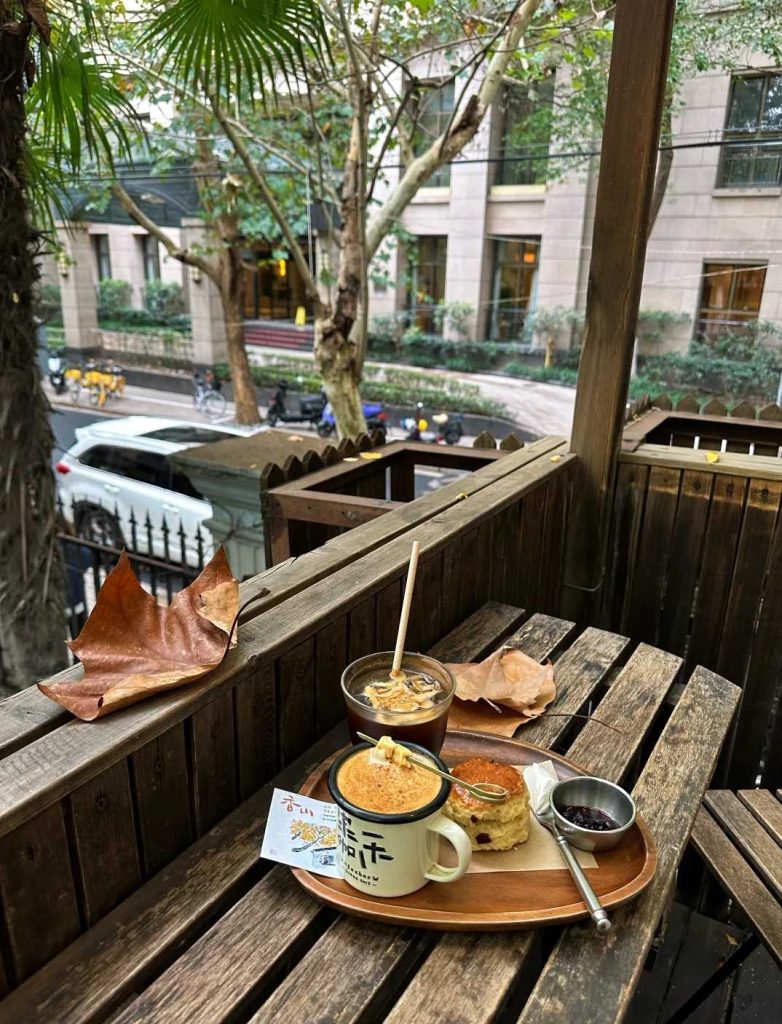
Let us start with honesty. Shanghai is more expensive than smaller Chinese cities like Chengdu or Kunming. But compared to New York, London, or Sydney, Shanghai is still a bargain. The key is understanding what actually costs money and what does not.
Housing will be your largest expense. A private apartment in a central neighborhood like Jing’an or the French Concession can cost as much as a studio in Brooklyn. But move just twenty minutes away by subway, and prices drop by half. If you are looking for more affordable options while still staying connected to the city, consider neighborhoods like Zhongshan Park, Caoyang, or Dapuqiao. These areas offer reasonable rents, good subway access, and plenty of local shops and restaurants where you can practice your Chinese without the premium price tag of the city center. For students or young professionals on a budget, Yangpu or Putuo districts also provide solid value with university communities and growing infrastructure. Further out but still well-connected, Minhang or Baoshan districts have seen significant development in recent years and offer even lower rents, though you will need to factor in a longer commute.
Food is where you have real control. Western restaurants and imported groceries are expensive. Local noodle shops, street food stalls, and wet markets are incredibly cheap. A filling bowl of noodles costs less than a coffee at Starbucks. Transportation is a pleasant surprise. Shanghai’s subway is clean, fast, and inexpensive. A ride across the city rarely costs more than one US dollar.
The bottom line is this: your monthly spending in Shanghai can range from 695 to 2,083 USD or more. For a student on a budget, living comfortably on 833 to 1,111 USD per month is absolutely realistic.



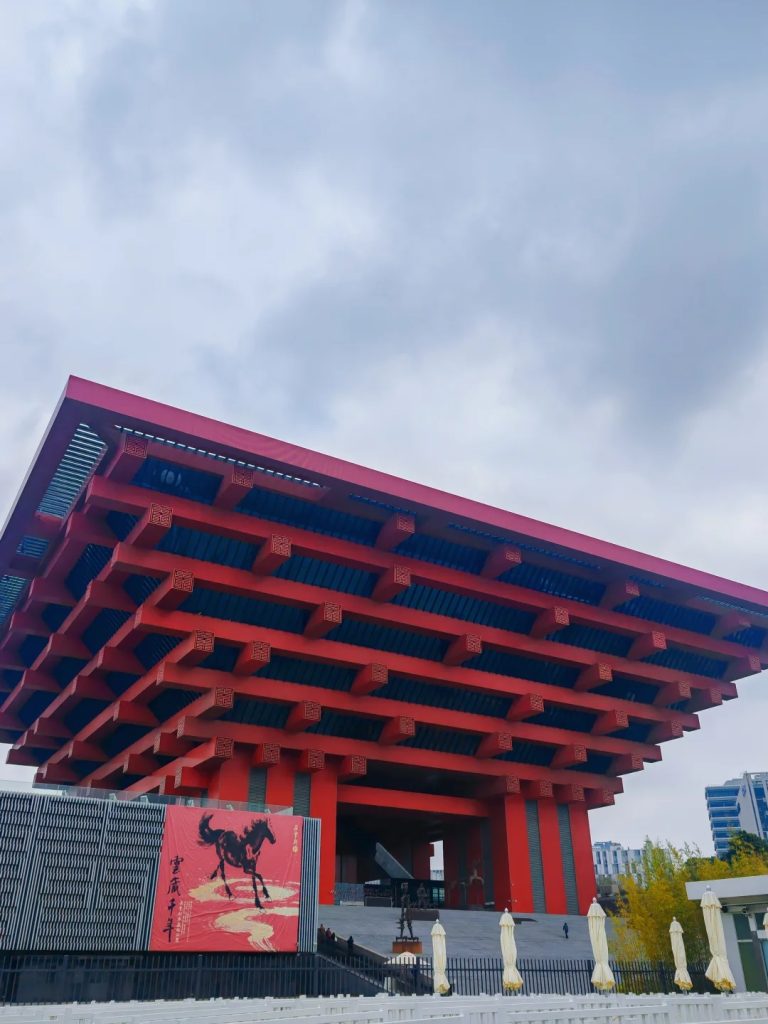
Housing Smart. The single biggest decision you will make is where to live. Shared apartments are the standard choice for students. A room in a shared apartment in a decent but not central location typically costs between 347 to 625 USD per month. Avoid expat-heavy areas like the former French Concession or Lujiazui. Instead, look at neighborhoods along metro lines like Line 11 or Line 7, which reach the city center in twenty to thirty minutes.
If you want to save even more while gaining daily language practice, consider a homestay with a local family. This often includes meals and gives you natural conversation practice every evening. You learn Shanghai daily life from the inside while keeping your costs low.
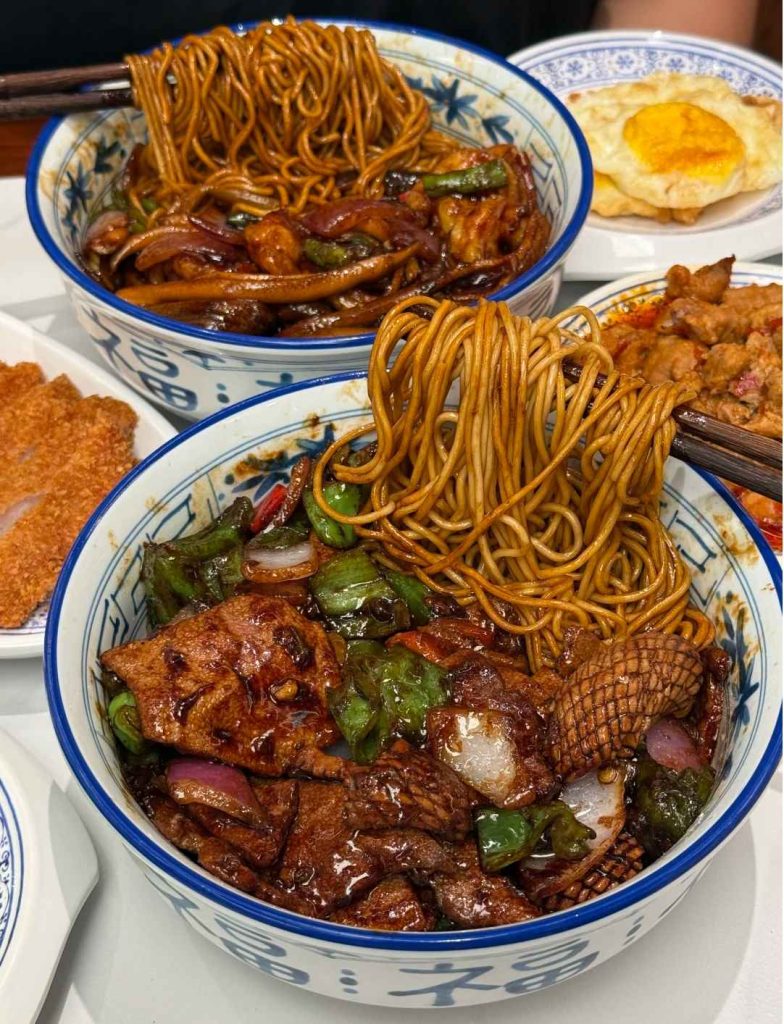
Eat Local. This is the easiest place to save money. A meal at a local canteen costs 2 to 4 USD. Street food like jianbing (savory crepes) or baozi (steamed buns) costs less than 1.40 USD. Cook for yourself using fresh ingredients from a wet market – vegetables, tofu, eggs, and rice are all very cheap. Western restaurants and Starbucks are treats for weekends, not daily habits.
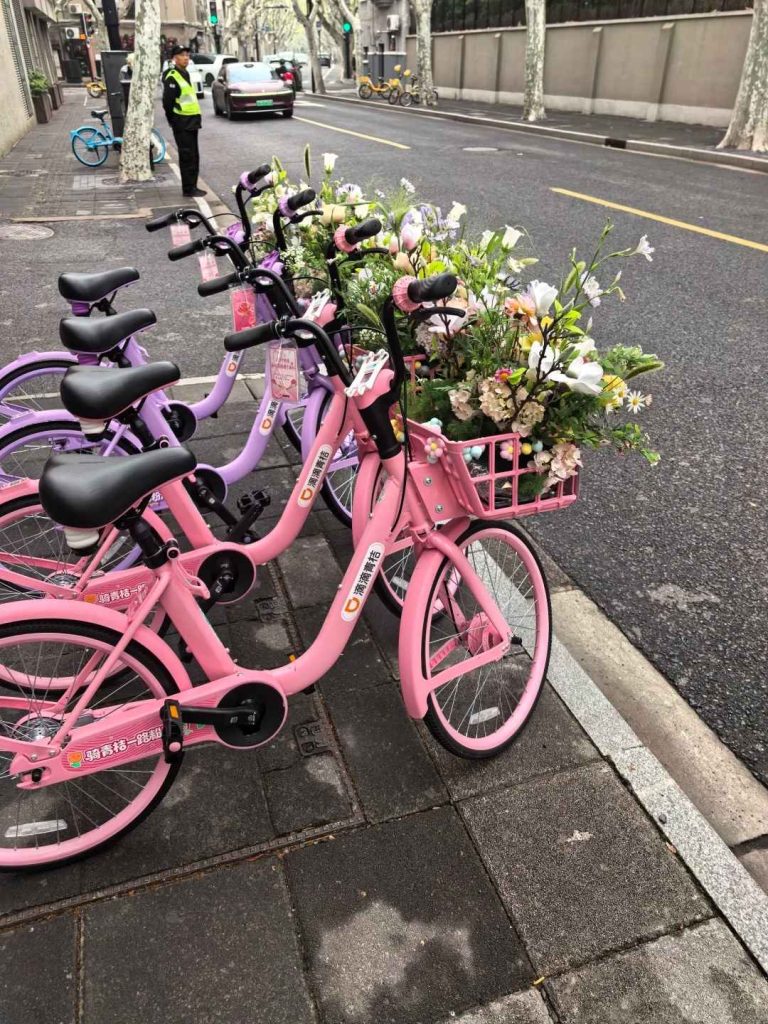
Use Public Transportation. The Shanghai metro is your best friend. A single ride costs 0.40 to 1 USD depending on distance. Monthly transportation costs for a student rarely exceed 28 to 42 USD. Bike sharing though Hellobike or Meituan is even cheaper – around 2 USD for an unlimited monthly pass. Taxis and Didi add up fast, so save them for late nights or heavy luggage.
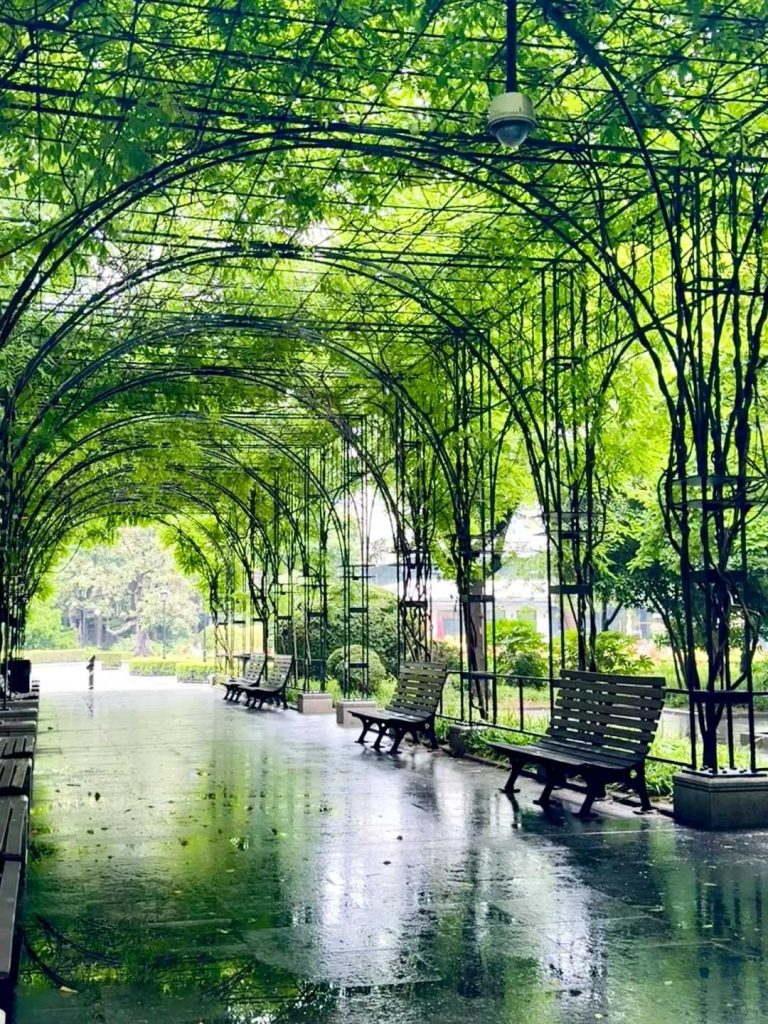
Turn Daily Life into Free Language Practice. Instead of spending money on expensive entertainment, use free or low-cost activities as language practice. Visit public parks like Century Park or Fuxing Park, where retired locals gather to play cards, sing, and chat. Join free language exchange meetups. Explore Shanghai’s many museums and galleries, most of which are free or heavily discounted for students. Every conversation with a vegetable seller, every attempt to ask for directions, every chat with a park regular – that is free, real-world Chinese practice.
Saving money is good. But there are a few areas where spending a little more makes a huge difference in your learning progress.
A Quality Language Program. You can learn some Mandarin using free apps. But for real progress – especially if you want to use Chinese in a professional setting – you need structure, live feedback, and speaking practice with a teacher who can correct your tones and grammar. This is not where you cut corners.
A Local SIM Card with Data. Being connected means you can use maps, translation apps, and messaging tools wherever you go. A monthly plan with plenty of data costs around 7 to 14 USD. It is a small price for the ability to navigate Shanghai, stay in touch with classmates, and call your teacher when you are lost.
Health Insurance. Do not skip this. Medical costs for uninsured foreigners can be extremely high. A basic student health insurance plan is a small investment that protects you from financial disaster. If you are holding a valid student visa, you can explore insurance options through Sojourn Abroad. They offer student-friendly plans designed specifically for international learners in China, helping you meet visa requirements while staying protected during your stay.
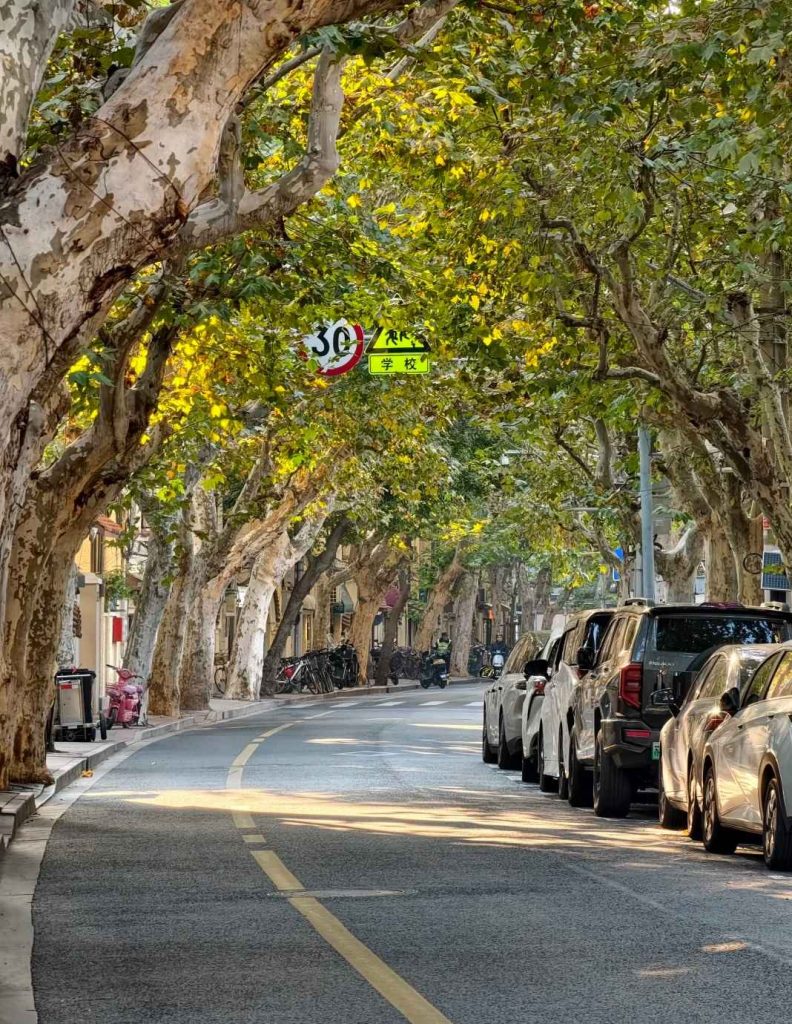


Now you know where to save and where to spend. The next step is choosing a language program that respects both your learning goals and your financial limits. This is where Sojourn Abroad comes in.
Sojourn Abroad’s Shanghai program is specifically designed for students who want high-quality instruction but wish to avoid the steep prices of private schools or the rigid schedules of universities. To give you some market context: many other Chinese language schools in Shanghai charge significantly more. Group classes at private language schools typically cost $350 to $500 per week, while intensive courses can run as high as $600 to $900 per week. Although university-affiliated programs may advertise lower baseline prices, they often tack on extra registration fees, textbook costs, and other miscellaneous charges, bringing the total expense to $400 or more per week. Meanwhile, one-on-one private tutoring through agencies ranges from $40 to $70 per hour.
In contrast, Sojourn Abroad’s tuition is consistently $230 per week. This is a transparent, honest price with no hidden registration fees, no mandatory textbook purchases, and absolutely no surprise charges. From day one, you will know exactly how much you need to pay.But great value is not just about the classroom. Sojourn Abroad understands that where you live has a huge impact on both your budget and your learning experience. That is why they offer a full range of accommodation options for their Shanghai students. You can choose flexibly based on your budget and learning needs.
If you want full language immersion and home-cooked meals, a homestay with a local family gives you daily conversation practice and cultural insight. If you value independence and your own space, an apartment gives you the freedom to live on your own terms. If you are staying for just a few weeks and want convenience, a hotel offers comfort without long-term commitments. And if you are on an extremely tight budget, a hostel provides a bed and a community of fellow travelers for very little money.
But here is the real flexibility. Maybe none of those options feel right for you. Maybe you already have a friend in Shanghai and plan to share an apartment. Maybe you want to find your own place through a local platform. Sojourn Abroad supports that too. Even if you choose to arrange your own housing elsewhere, their team will still help you with neighborhood recommendations, advice on avoiding rental scams, and tips for negotiating with landlords. You are never left to figure everything out alone.
Beyond housing, Sojourn Abroad removes other budget-breaking obstacles. You can start on any Monday, which means you do not waste money waiting for a semester to begin. You can choose a duration from 2 to 52 weeks, paying only for the time you actually need. And if you plan to stay for longer periods, Sojourn Abroad provides long-term student visa support for eligible students, saving you the hundreds of dollars and multiple days of travel that visa runs would otherwise cost.
The classes themselves are small – never more than 10 students. This means you get personalized attention from your teacher without paying private tutoring rates. Every student speaks. Every mistake gets corrected. Every class moves you forward.

Let us put all of this together. Here is what a realistic monthly budget looks like for a student studying with Sojourn Abroad in Shanghai.
Tuition is $230 per week, which calculates to approximately $920 per month for a four-week period. Housing depends on your choice. A shared apartment can cost between $200 and $500 per month. Youth hostels can be as low as $40 to $400 per month. A homestay that includes meals is $490 per week. As for food, if you eat like a local and occasionally cook for yourself, it will cost between 1,500 and 2,000 RMB (about $210 to $280). Transportation via subway and shared bikes runs around 200 to 300 RMB ($28 to $42). A cell phone plan with data is approximately 100 RMB ($14). Entertainment and miscellaneous expenses add another 500 to 800 RMB ($70 to $110).
Overall, a student studying with Sojourn Abroad and living modestly in Shanghai can expect to spend roughly $1,450 to $1,800 per month, including tuition, housing, food, transportation, and all other expenses. For an international metropolis like Shanghai, this is actually quite affordable.
In total, a student living modestly in Shanghai while studying with Sojourn Abroad can expect to spend approximately 1,450 to 1,800 USD per month, including tuition, housing, food, transportation, and everything else. For a global city like Shanghai, that is remarkably affordable.
And remember: every dollar you spend is an investment in your future. Mandarin fluency opens doors in finance, consulting, trade, technology, and countless other industries where China plays a leading role. The money you save on budget-smart choices today becomes the foundation for career opportunities tomorrow.
Shanghai does not have to be expensive. The students who struggle financially are usually the ones who eat every meal at Western restaurants, live in the most touristy neighborhoods, and refuse to step outside their comfort zone. The students who thrive learn to live like locals. They eat noodles from small shops. They take the metro. They practice Chinese at free community events. And they choose a language program that gives them maximum value for every dollar.
That program is Sojourn Abroad. With tuition at USD $230 per week, flexible accommodation options ranging from homestays to hostels, the freedom to arrange your own housing with their guidance, the ability to start on any Monday, flexible durations from 2 to 52 weeks, and long-term student visa support, Sojourn Abroad removes every major obstacle between you and your language goals.
Learning Mandarin in Shanghai is an investment in your future. But it does not have to empty your bank account. With smart choices and the right program, you can live well, learn fast, and save money all at the same time.
Your Shanghai adventure – and your affordable Mandarin journey – starts now.
By Karina
Course Consultant at Sojourn Abroad
Helping you navigate your study abroad journey.
Thank you so much for contacting Sojourn Abroad! We can’t wait to welcome you in China!