


We will get back to you within 1 working day!
Thank you so much for contacting Sojourn Abroad! We can’t wait to welcome you in China!
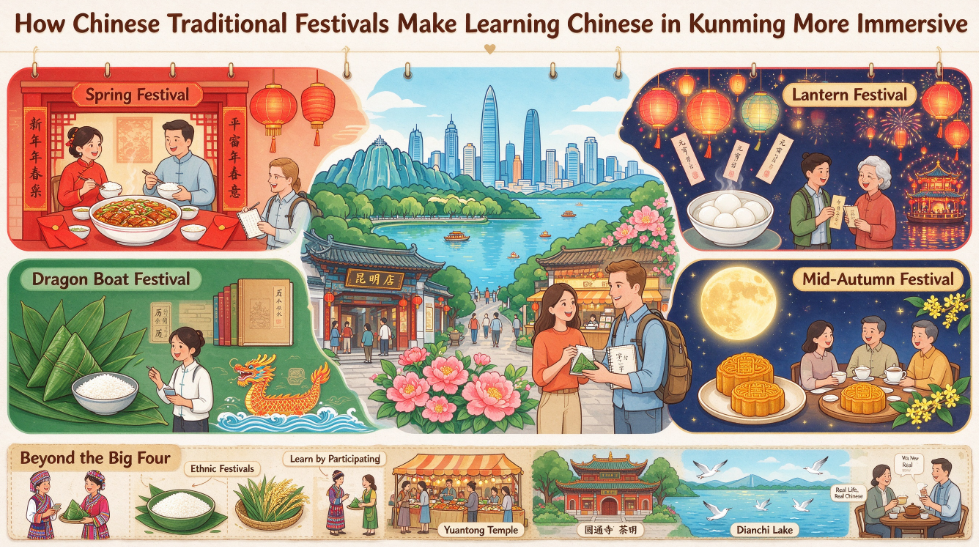
When you learn Chinese in Kunming, the city itself becomes your classroom. Traditional festivals turn textbook vocabulary into real-life experience, making language learning feel natural rather than forced. Instead of memorizing words in isolation, you hear them, see them, and use them in real situations. That is what makes learning Mandarin in Kunming so different from studying in a traditional classroom.

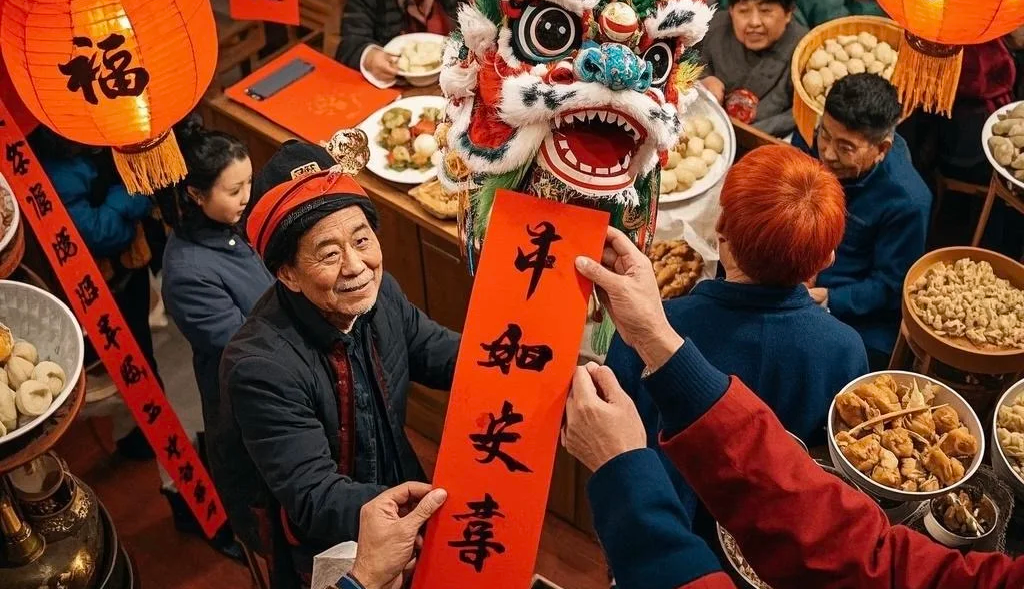
Spring Festival is the deepest immersion of all. Red couplets appear on doorways, families gather for reunion dinners, and New Year greetings fill the streets. For learners, this is when memorized phrases become real conversations—with neighbors near Green Lake, shopkeepers, or the taxi driver who asks if you are staying in Kunming for the holiday. If you are taking a small group Chinese course in Kunming, these moments help you understand not just the words, but why people say them. You also pick up words related to food, family, and luck that rarely appear in textbooks but are used constantly during the holiday season.
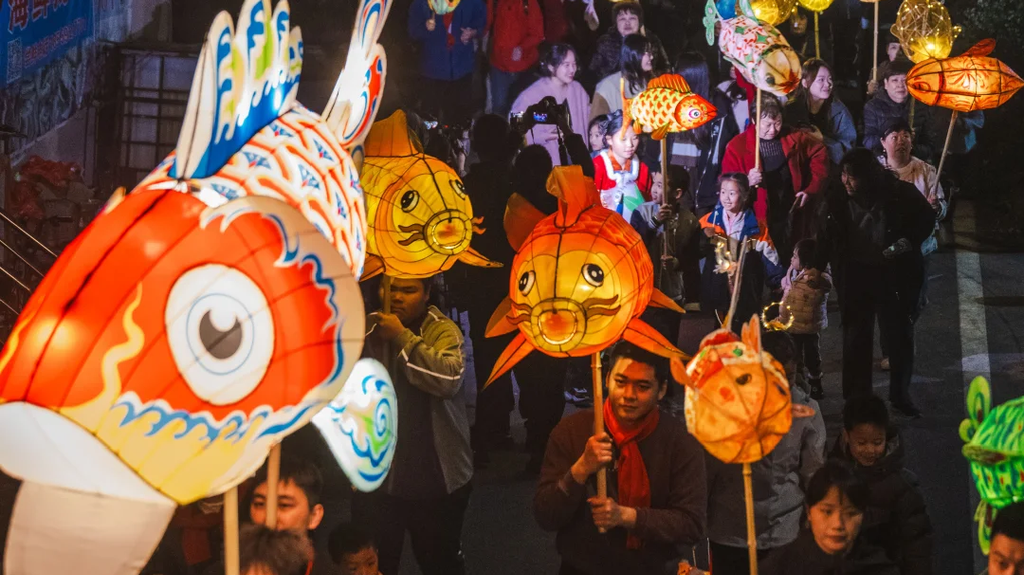
Lantern Festival brings lantern riddles, tangyuan, and night markets. In Kunming, the Tangzi “Luodeng Festival” adds a local twist with hot springs and street performances. Guessing riddles is character practice in disguise—homophones, wordplay, and cultural references all come together. Even if you only solve one riddle, the process forces you to think about how Chinese characters and sounds connect in ways that a normal lesson cannot replicate.
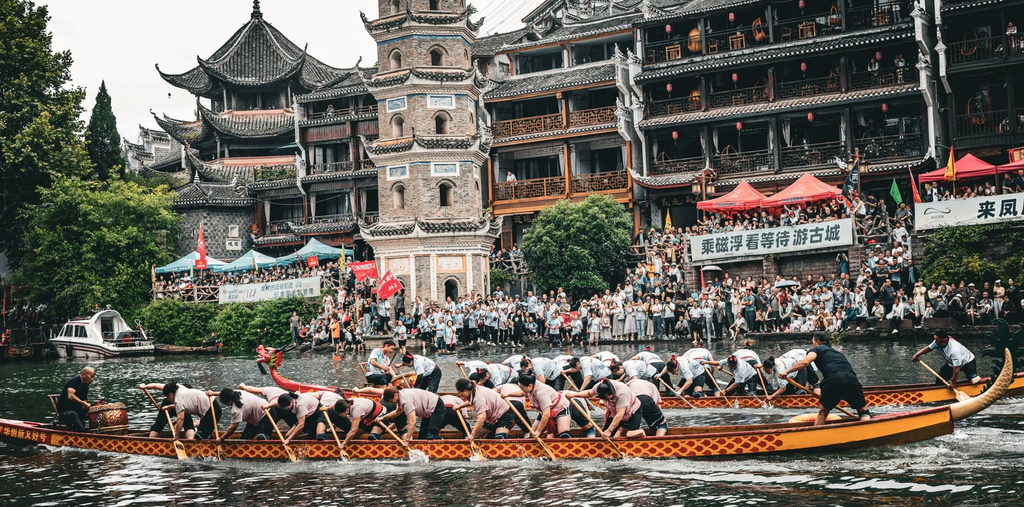
Dragon Boat Festival connects language with history. As you wrap zongzi with local friends, you learn words for bamboo leaves, glutinous rice, and Yunnan-style fillings—not by drilling, but by doing. The story of Qu Yuan gives words like loyalty and poetry emotional weight. Many learners find that after this festival, historical vocabulary becomes easier to remember because it is tied to a story they have experienced, not just read about.
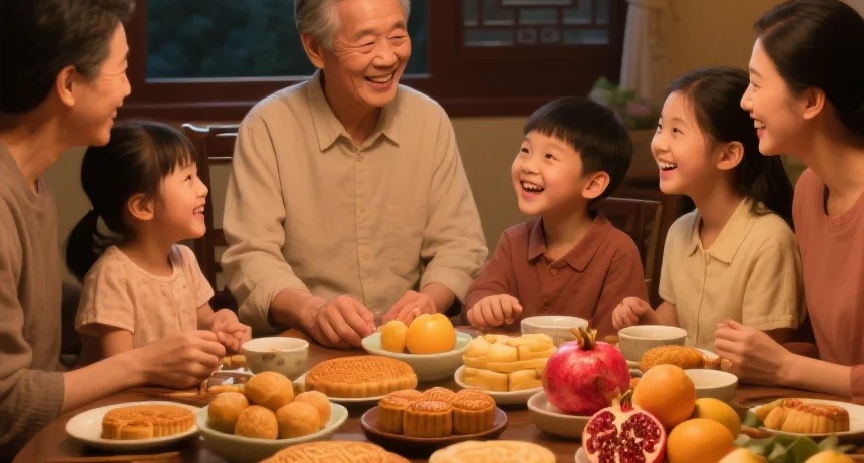
Mid-Autumn Festival centers on the full moon, family reunion, and mooncakes. The round shape symbolizes completeness, and vocabulary about family and belonging becomes easier to remember when shared over a mooncake with classmates. In Kunming, the cooler autumn weather makes evening gatherings especially pleasant, and learners often practice describing the moon, the food, and their own feelings in Chinese—simple but meaningful conversations that build confidence.
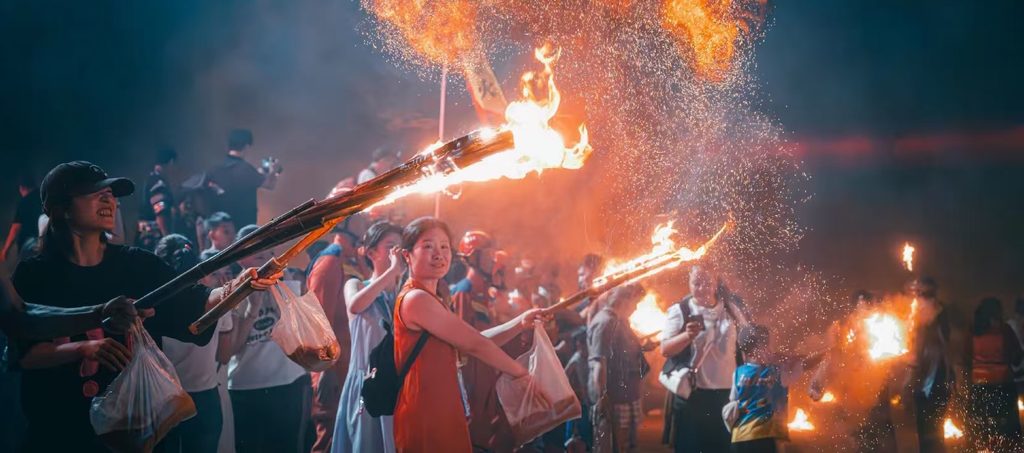
Beyond these four, Kunming hosts dozens of festivals each year—the Torch Festival, the Wa New Rice Festival, and many others. This means immersion is not limited to a few celebrations; it is almost continuous. Whether you study through a small group Chinese lesson in Kunming, the city’s festival calendar keeps your learning alive. Between festivals, daily life in Kunming—visiting markets, drinking tea, or exploring places like Yuantong Temple and Dianchi Lake—offers countless chances to practice.
Festivals create high-context, low-pressure communication. You are not translating—you are participating. The situation itself gives you clues, so you can understand and respond even when your vocabulary is limited. This kind of learning sticks because it is emotional, social, and repeated throughout the year.
That is what makes learning Chinese in Kunming so immersive, and why so many learners find that the city teaches them as much as any classroom. Festivals are not just cultural events—they are living language lessons that stay with you long after the celebration ends.
Thank you so much for contacting Sojourn Abroad! We can’t wait to welcome you in China!