


We will get back to you within 1 working day!
Thank you so much for contacting Sojourn Abroad! We can’t wait to welcome you in China!
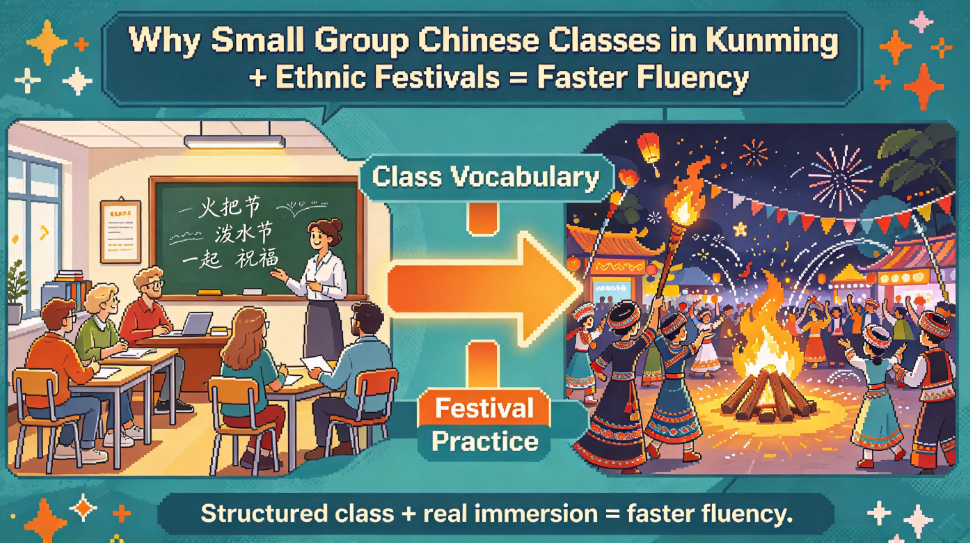
Most Mandarin learners spend weeks drilling vocabulary in a classroom, then freeze the moment a real conversation starts. I know the feeling. But something shifted for me when I stopped treating Chinese classes in Kunming as the only place to learn—and started letting the city’s ethnic festivals do the teaching too.
The formula is simple: pair structured instruction with real-world immersion. Here’s why that combination works so well in Kunming.
Before the festivals make sense, you need a base. That’s where small group Mandarin courses in Kunming come in.
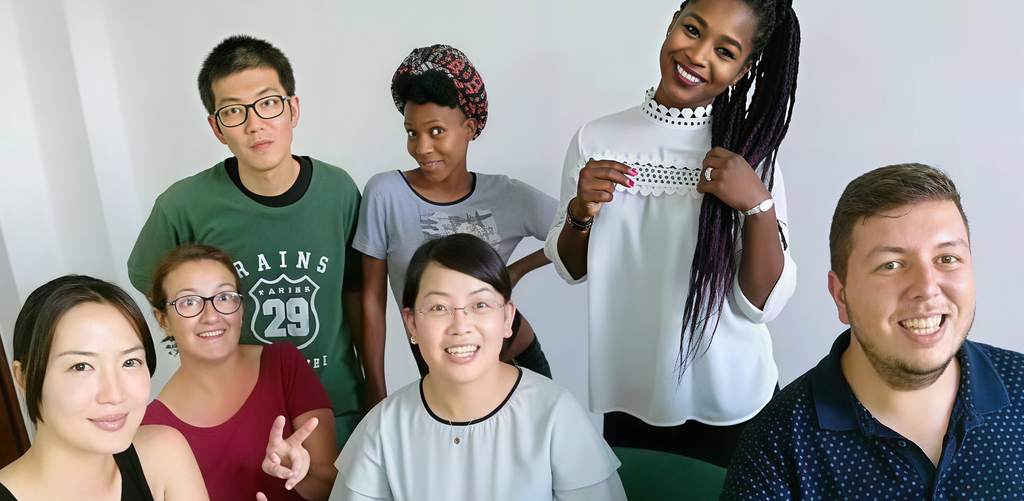
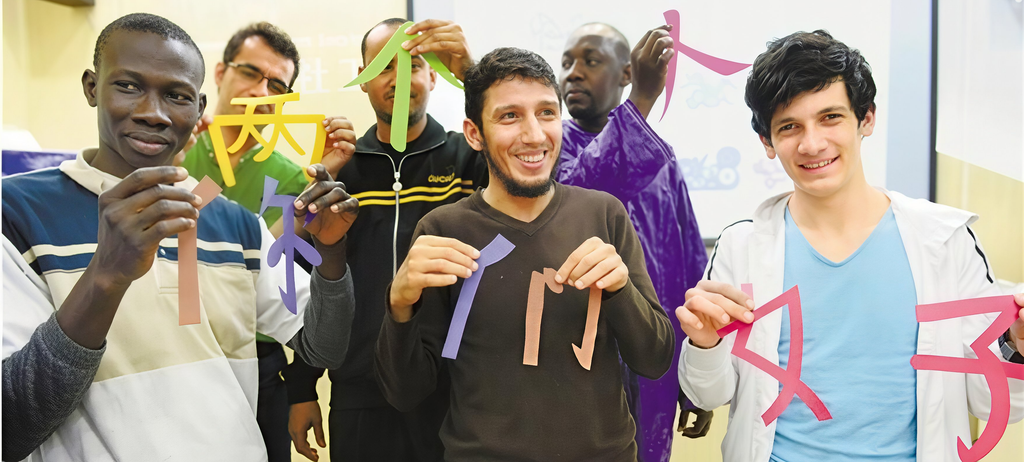
The format is straightforward: a maximum of six students per class, daily sessions that run about four hours, and teachers who prioritize speaking over silent note-taking. The size matters. With only five other people in the room, you can’t hide. You speak. You make mistakes. You correct them. The teacher adapts to your level and gradually shifts from English-supported explanations to full Chinese immersion.
In class, teachers design lessons around festival themes. Before the Torch Festival, for example, we pre-learned words like “torch,” “bonfire,” “dance,” “blessing,” and “together.” Before the Water Splashing Festival, we learned “splash,” “New Year,” “good fortune,” and “celebrate.” At the time it just felt fun. Later, I realized every one of those words came in handy at the actual events.
That’s the thing about learning Chinese in Kunming: the city is small enough to feel manageable, but immersive enough that you can’t avoid using the language.
Kunming hosts ethnic festivals year-round. The city’s mild climate and central location have made it a hub for celebrations that draw from across Yunnan’s 25 ethnic minority groups.
Two stand out for language learners.
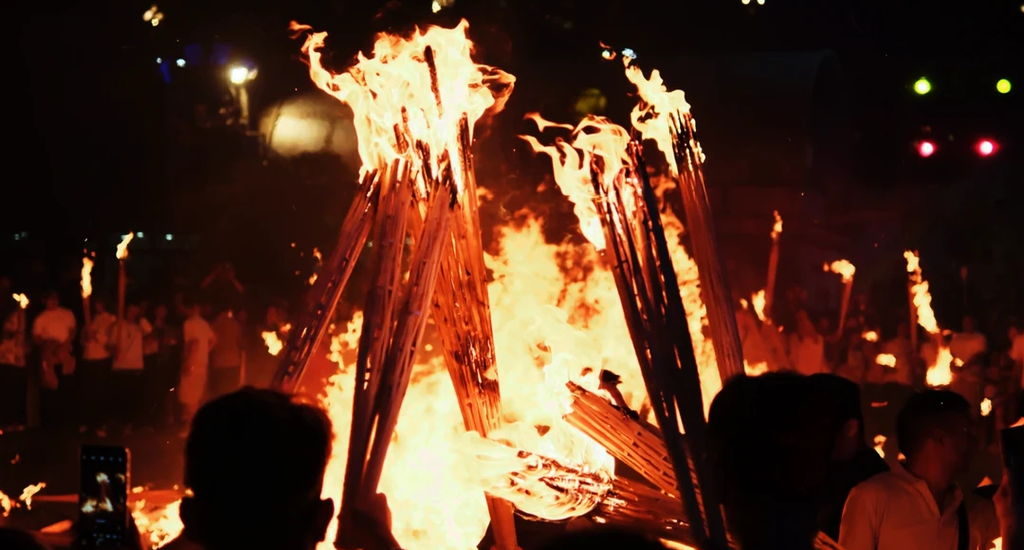
1.The Torch Festival (火把节) lights up Kunming every August. In 2026, the Shuanglong subdistrict celebration featured Yi ethnic dance, bonfire gatherings, and traditional music that filled the night air. Meanwhile, Shilin County—home to the famous Stone Forest and the Yi people—hosts one of the largest Torch Festival celebrations in the province, complete with traditional wrestling, mass sanxian performances, and streets lit by torches.
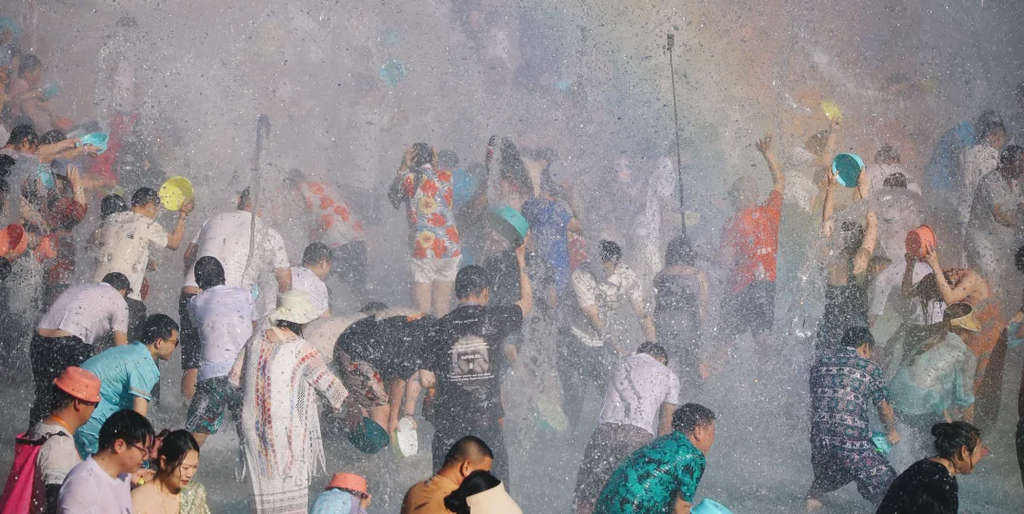
2.The Water Splashing Festival (泼水节) arrives in April, marking the Dai New Year. Yunnan Ethnic Village in Kunming transforms into a site of water blessings, Dai dance performances, and joyful chaos as strangers splash each other with wishes for good fortune.
Here’s what these festivals do for your Mandarin that a classroom can’t replicate: they force spontaneous speech. You’re not rehearsing a dialogue. You’re asking the person next to you where the bonfire starts. You’re laughing with someone who just dumped a bucket of water on you. You’re hearing the rhythm of real speech—fast, messy, alive.
The mistake many learners make is treating immersion and instruction as separate phases. In Kunming, they work best as a loop.
Your intensive group Chinese courses in Kunming gives you the vocabulary and expressions for the festival. The festival gives you a reason to use them in a moment that actually matters. Then you go back to class, and you have stories to tell—which means new vocabulary, new grammar, new questions.
After the Torch Festival, I came back to class desperate to describe what I’d felt. “The fire was hot.” “People held hands.” “I danced with strangers.” My teacher corrected my tones, taught me “篝火” and “手拉手,” and suddenly the words stuck. They had weight. They had memory.
That’s the difference between studying Mandarin in Kunming and merely memorizing it.
Beyond the festivals, daily life in Kunming reinforces what you learn in group Chinese classes.
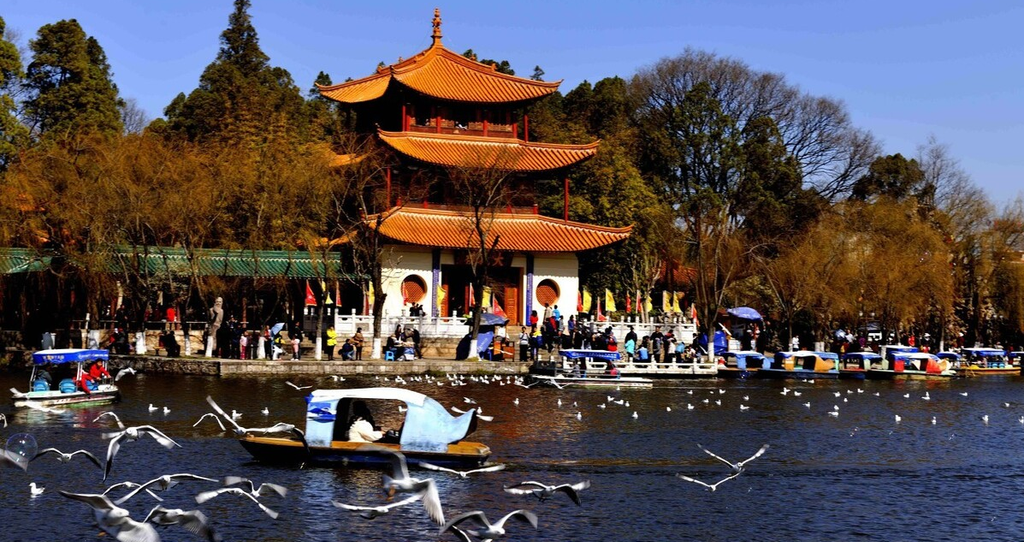
1.Green Lake Park is where you’ll hear retirees practicing calligraphy and musicians tuning erhu. It’s free, open from early morning until late, and filled with people who are delighted when a foreigner tries to chat.
2.Nanping Street in the city center is a different kind of classroom—shops, street food, the constant hum of city life.
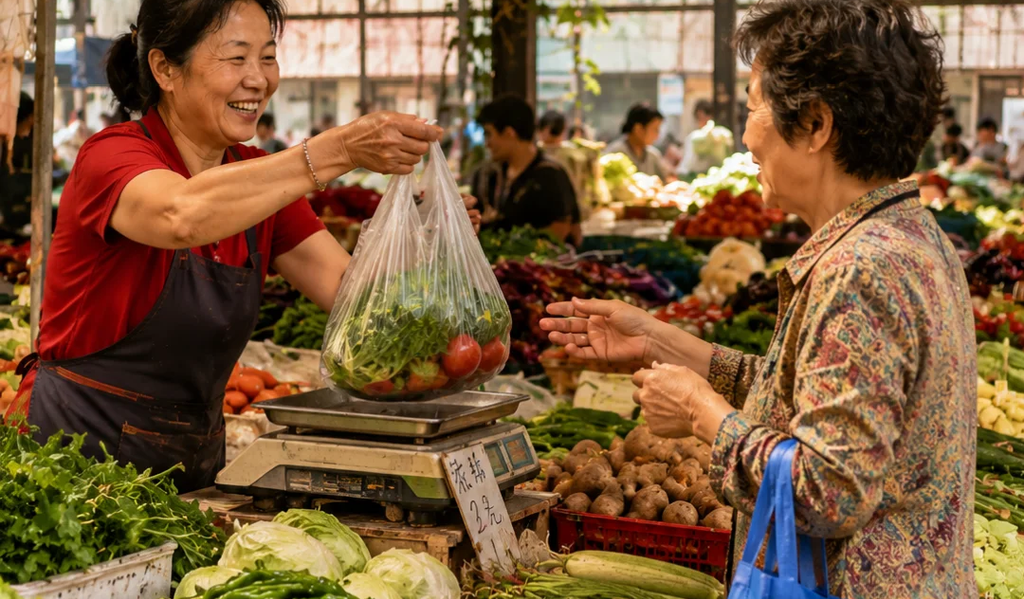
3.Zhuanxin Farmers’ Market lets you practice full conversations in a real setting. These places, together with the festivals, make learning Chinese in Kunming a way of life rather than just a few classes on a schedule.

The learners who get the most out of group Chinese lessons in Kunming share one trait: they’re willing to be uncomfortable.
You don’t need to be extroverted. You don’t need to have studied Chinese before. But if you’re the type who wants to stay in the classroom until you’re “ready,” this approach will frustrate you. The festivals don’t wait for readiness. They pull you in.
The reward is fluency that feels earned. Not textbook fluency. Not test-passing fluency. The kind where you find yourself at a bonfire, surrounded by people speaking a language you barely understood three months ago, and realizing you’re actually part of the conversation.
Kunming offers something rare: a city where structured Chinese language classes and authentic cultural immersion exist within walking distance of each other. The small group Chinese program in Kunming gives you the foundation. The ethnic festivals—Torch Festival, Water Splashing Festival, and everything in between—give you the stage.
If you’re planning to learn Mandarin in Yunnan, don’t just sign up for classes and hope the city teaches you. Use the city intentionally. Go to the festivals. Go to the parks. Talk to locals. Your progress will thank you.
Thank you so much for contacting Sojourn Abroad! We can’t wait to welcome you in China!