


We will get back to you within 1 working day!
Thank you so much for contacting Sojourn Abroad! We can’t wait to welcome you in China!
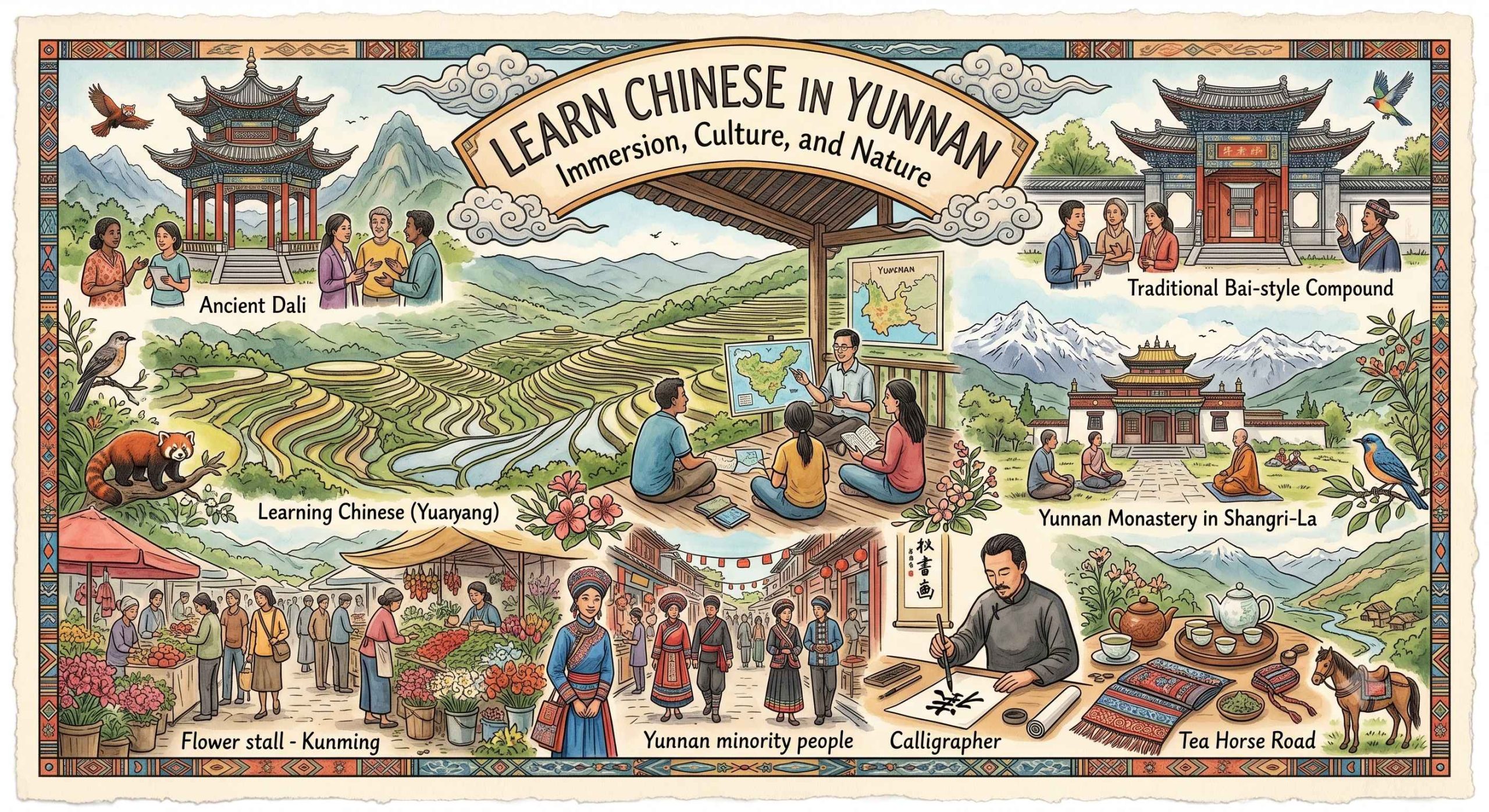
Ask most people where to learn Chinese, and they will name the megacities: Beijing, Shanghai, Guangzhou. Those places have good schools, but they also have high costs, crowded streets, and a pace of life that leaves little room to breathe.
There is another way. In southwest China, Yunnan Province offers something different. Here, language learning happens alongside mountain hikes, temple visits, and conversations with minority communities. You do not just study Chinese. You live it.
Yunnan has long been known as a cultural crossroads. The province is home to more than 20 ethnic minority groups, including the Bai, Yi, Naxi, and Hani. Each group has its own language, clothing, festivals, and traditions. For a Mandarin learner, this diversity is a gift. You hear different accents. You learn about different ways of life. And you quickly discover that language is deeply connected to culture.
The landscape matches the cultural richness. From the rice terraces of Yuanyang to the alpine lakes near Lijiang, Yunnan is one of China’s most beautiful provinces. Studying here means your weekend breaks can include hikes through forests, visits to ancient towns, and boat rides on quiet lakes. Nature becomes part of your learning environment.
At the heart of Yunnan is Kunming, the capital city known as the “City of Perpetual Spring.” This is not just a nickname. The weather here is genuinely mild year-round, with temperatures often staying between 15 and 25 degrees Celsius(59 and 77 degrees Fahrenheit). You do not need heavy winter clothing or expensive air conditioning. This comfortable climate removes one common stress for international students and lets you focus entirely on learning.
But what truly sets Kunming apart is its pace of life. Unlike the crushing rush of Beijing or Shanghai, people here have time. Shopkeepers are patient and curious about foreigners. Neighbors actually say hello. Strangers might strike up a conversation on a bus. This low-pressure, high-welcome environment is ideal for language learners—especially beginners who need space to make mistakes, try out new phrases, and build confidence without feeling rushed or judged.
At Sojourn Abroad in Kunming, you learn standard Mandarin in small groups of no more than 10 students. This is intentional. Small classes mean more speaking time, more individual attention from teachers, and more chances to ask questions. With 15 classes per week, you receive daily instruction without becoming overwhelmed. This steady, sustainable rhythm allows you to build vocabulary, improve pronunciation, and gain real confidence over time.
True immersion, however, goes beyond the classroom. In Kunming, every trip outside your door is a lesson. Buying fruit at a market becomes a vocabulary drill. Ordering coffee becomes a listening test. Asking for directions becomes a conversation. The city itself becomes your textbook.
You can start on any Monday, with program durations ranging from 2 to 52 weeks. Tuition is as low as USD $230 per week, making long-term immersion surprisingly affordable. The school also provides the official paperwork needed for a long-term student visa, so you can plan a stay of several months without worrying about documentation.
Beyond its natural beauty, Yunnan is home to rich and distinctive cultural traditions, deeply rooted in the daily lives of its ethnic minorities. Understanding these cultures is itself a form of language learning.
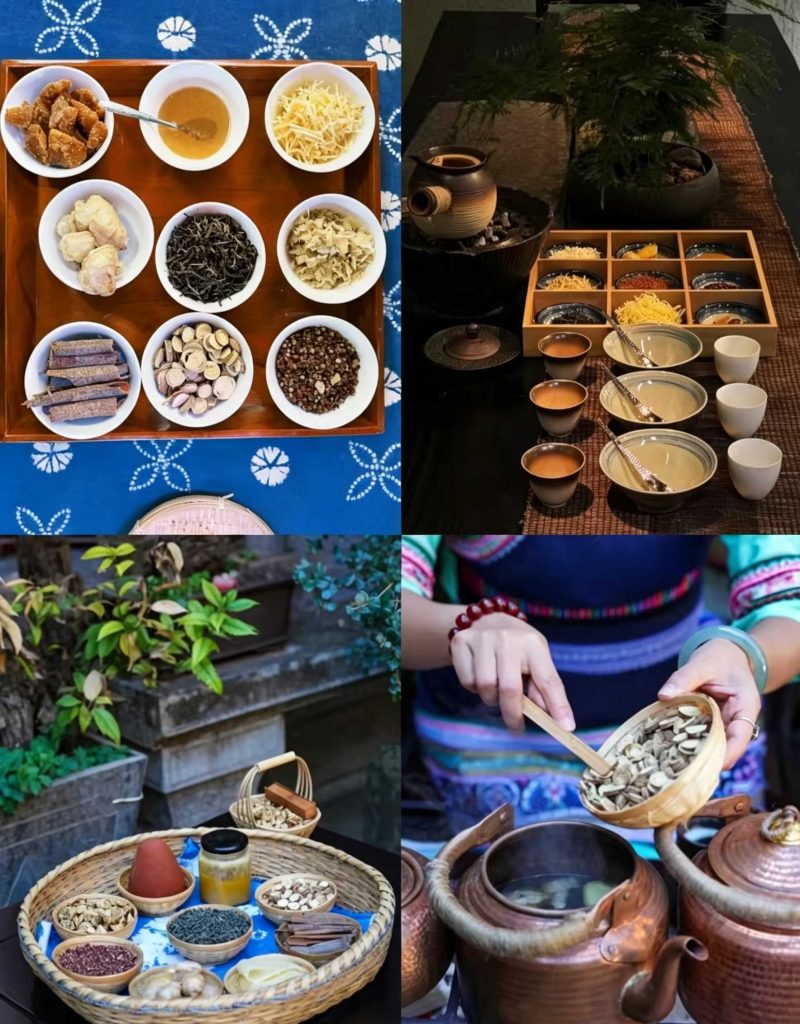
The Bai People’s Three-Course Tea is the most famous cultural ritual in the Dali area. The three teas represent “bitter, sweet, and aftertaste”—the first is bitter, the second sweet, and the third lingers on the tongue with meaning. This is not just drinking tea. It is a transmission of life philosophy As you sit in a Bai courtyard, watching the host prepare tea in a traditional way while telling stories alternating between the Bai language and Mandarin, you feel how language and culture are deeply woven together.
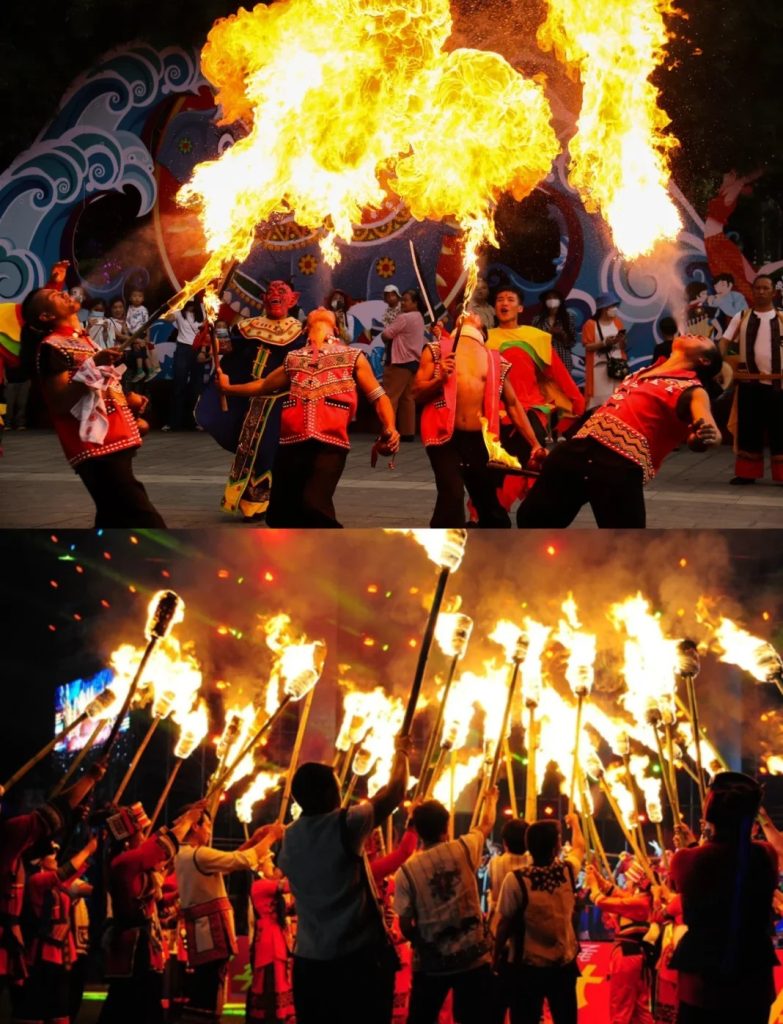
The Yi People’s Torch Festival is one of Yunnan’s grandest minority celebrations. Around the 24th day of the sixth lunar month, Yi villages light huge torches, and people dance, sing, and pray around the bonfires. Although this is a festival, the passion, unity, and longing for light that the torch represents are the core spirit of Yi culture. Even if you visit outside of festival season, you can feel this spirit in Yi daily life, clothing patterns, and folk stories.
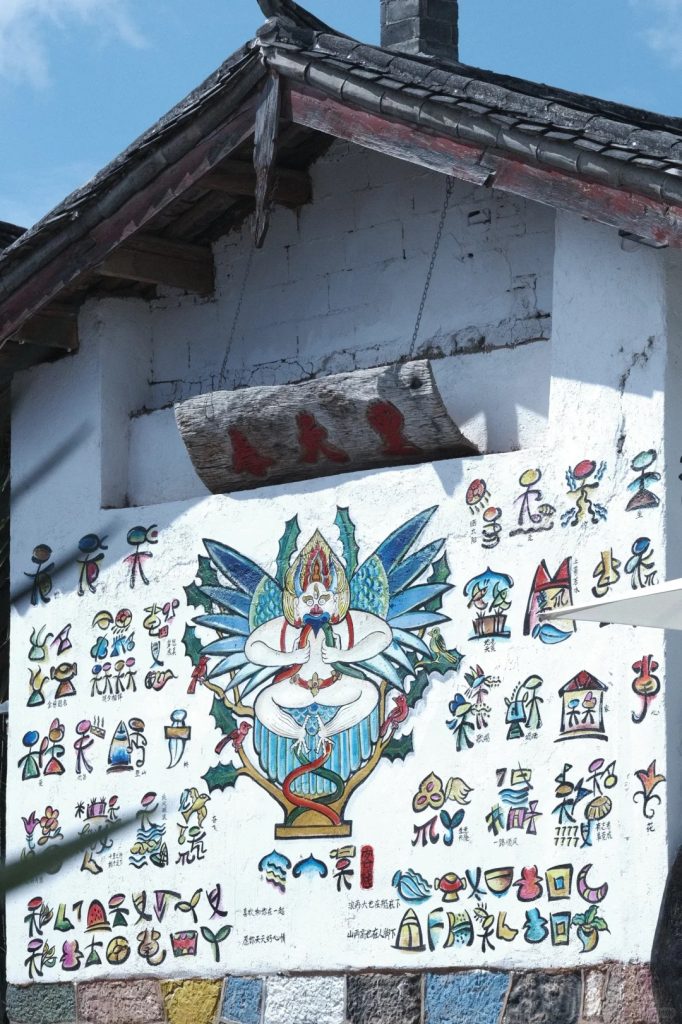
The Naxi People’s Dongba Culture is the soul of Lijiang. The Naxi have one of the few pictographic writing systems still in use anywhere in the world—Dongba script. The characters look like little drawings: sun, mountain, water, person, animal. At the Dongba Culture Research Institute or a Dongba paper workshop in the old town, you can watch an old Dongba (priest) writing scriptures in this ancient script. Learning just a few simple Dongba characters gives you a completely new way of understanding language: characters can be pictures, and pictures can be stories.
The Dai People’s Water-Splashing Festival originates from Xishuangbanna and marks the Dai New Year. People splash water on each other, symbolizing the washing away of the past year’s misfortunes and welcoming a pure new year. The festival embodies the Dai people’s reverence for water, their longing for cleansing and rebirth. Even outside the festival period, you can feel this respect for nature in Dai architecture, food, and daily etiquette.
These cultural traditions are not just tourist attractions or photo backdrops. They are living, ongoing ways of life. When you learn vocabulary for colors, actions, and emotions in the classroom, you can step outside and see how blue is extracted and used in a Bai tie-dye workshop, see the symbolism of red and black in Yi embroidery, and see the vivid expressions of people and animals in Naxi Dongba paintings. Language and culture together become something you can reach out and touch.
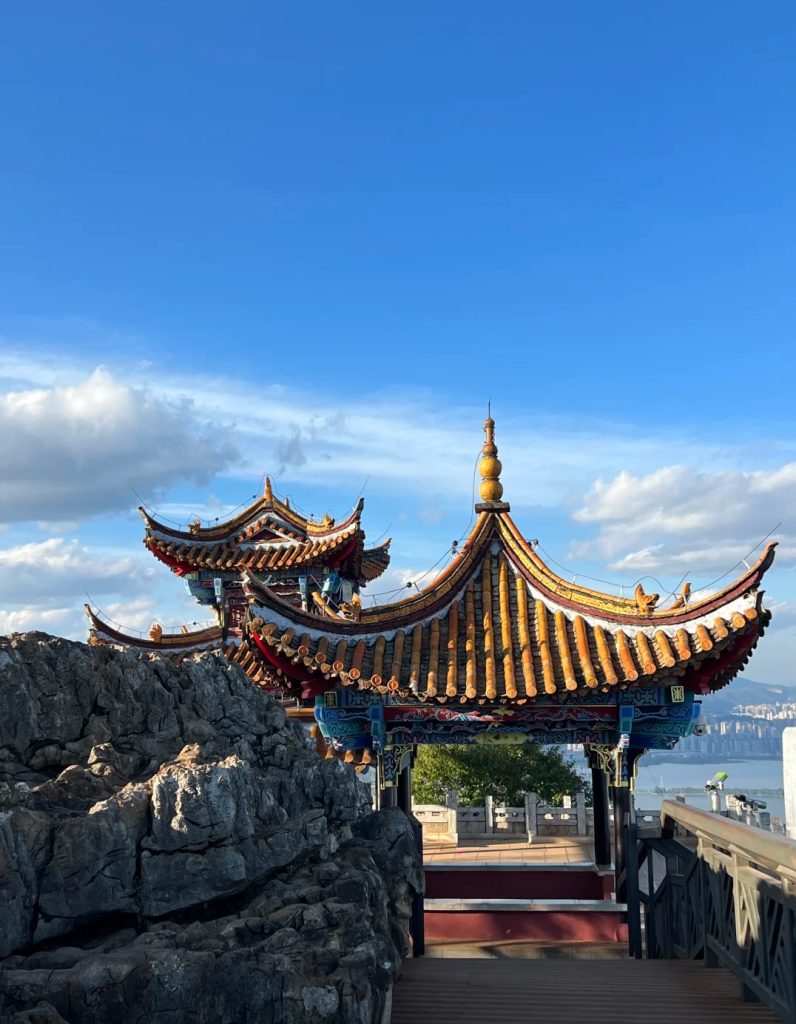
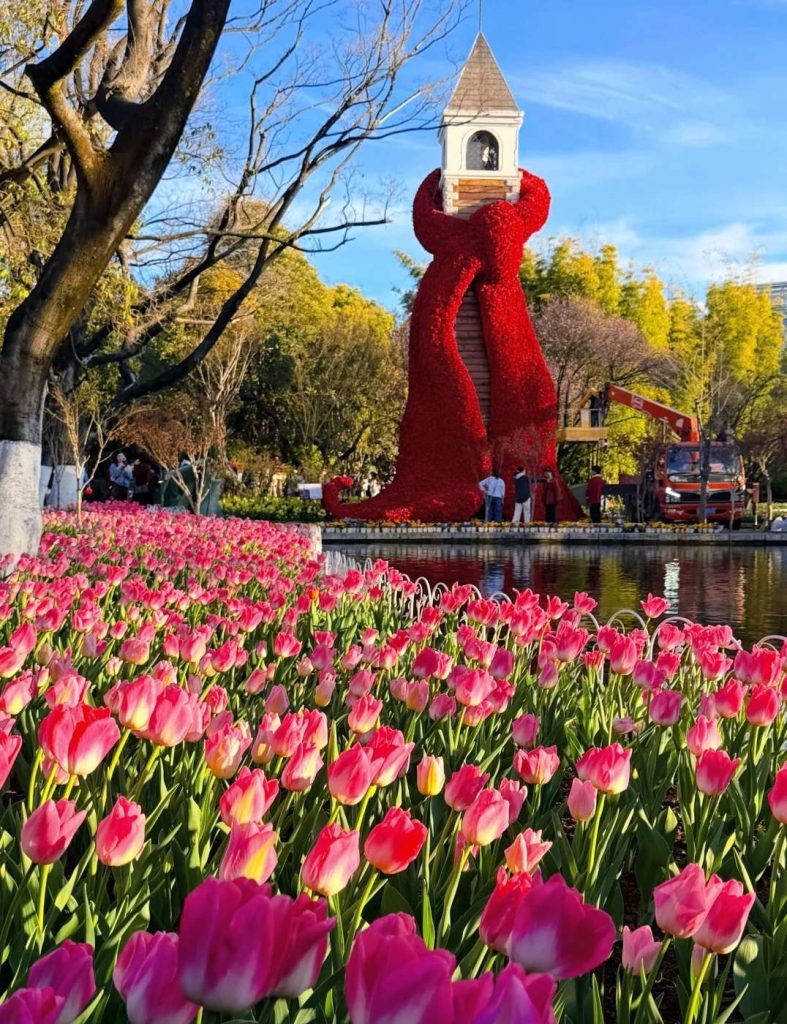
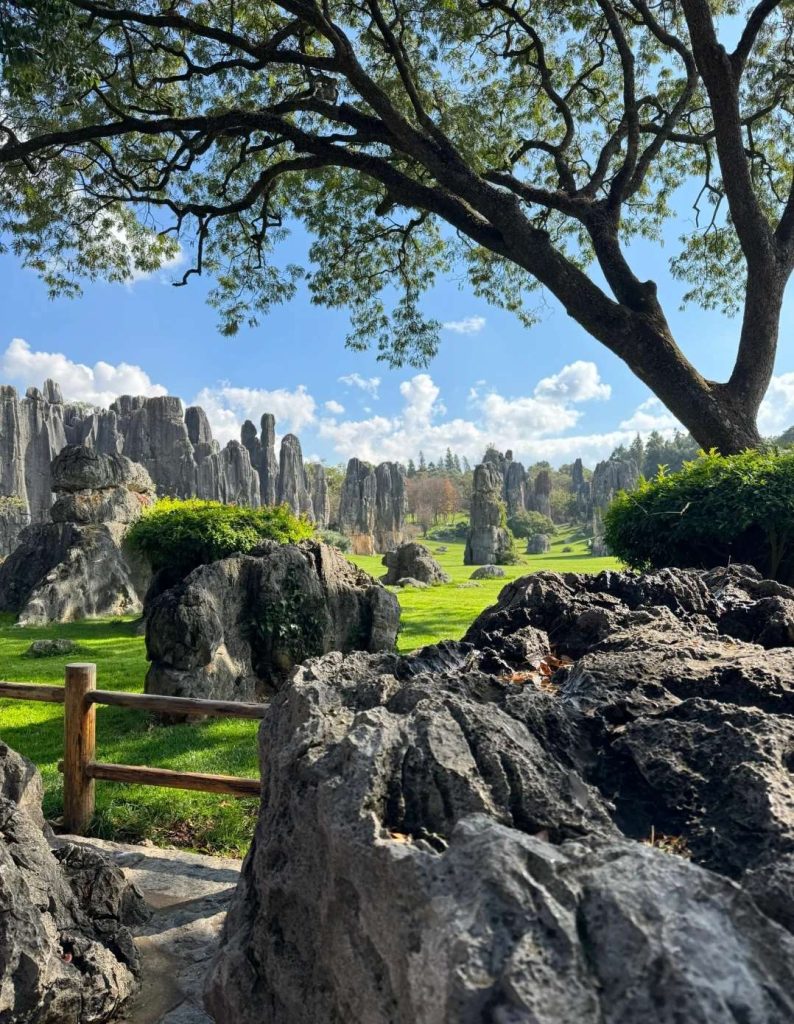
Kunming has many places where you can practice Mandarin outside the classroom. Teachers often lead trips to local landmarks, turning a simple visit into a learning opportunity.
The Western Hills offer a hike with views over Dianchi Lake. Along the trail, you find temples, pavilions, and stone carvings with inscriptions in classical Chinese. Your teacher might stop to explain a few characters or share the story behind a particular site.
Green Lake Park is a favorite spot for both locals and students. In winter, thousands of seagulls arrive from Siberia, and the park becomes filled with people feeding them. This is a perfect place to practice simple phrases: asking for bird food, commenting on the weather, or just saying hello to an elderly person resting on a bench.
The Stone Forest, about 90 minutes from Kunming, is a UNESCO Global Geopark. Towering limestone formations rise from the ground like petrified trees. Local legends say a young woman turned to stone while waiting for her lost love. Visiting this place gives you a chance to learn story-based vocabulary and practice describing what you see.
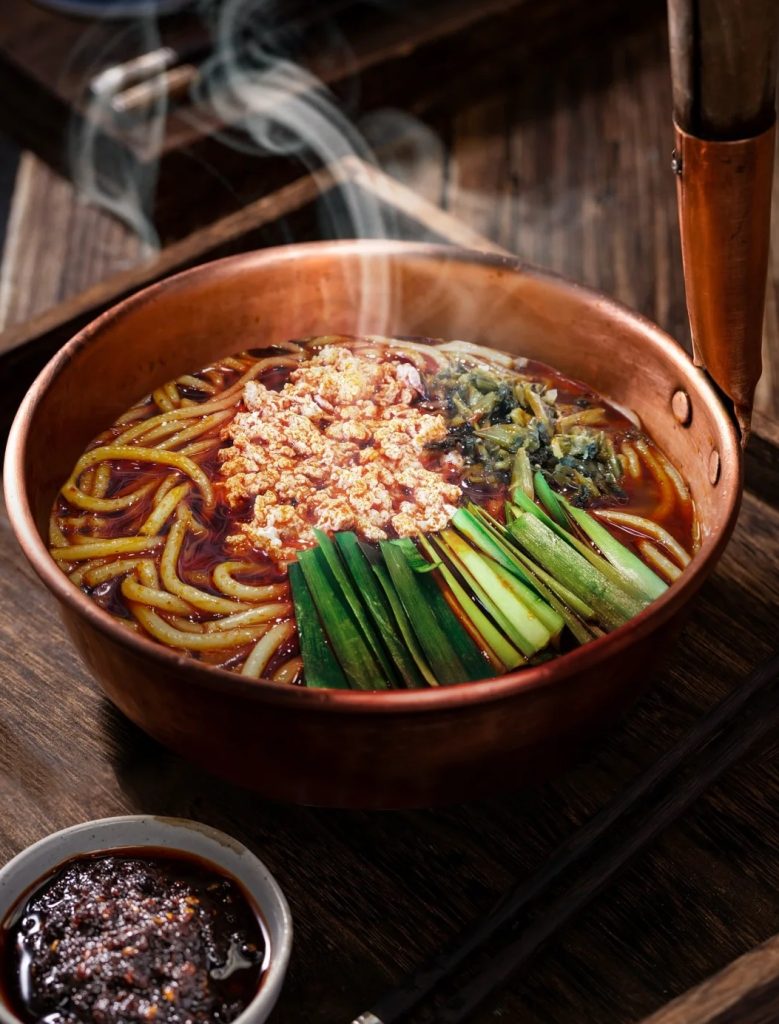

Yunnan cuisine is distinct from the better-known styles of Sichuan or Guangdong. It emphasizes fresh, local ingredients, wild herbs, edible flowers, and delicate flavors. Little-pot rice noodles is a classic Kunming dish, cooked individually in a small pot and served hot with minced pork, pickled vegetables, and fresh rice noodles. The process alone gives you plenty of chances to ask questions, learn new food words, and interact with waitstaff—all in Mandarin..
Other local specialties include flower cakes, a beloved Yunnan pastry made from edible roses, and various dishes made from wild mushrooms that grow only in Yunnan’s ancient forests. Trying these foods is not just eating. It is a full sensory experience—sight, smell, taste, touch, and language all working together.



When you have a long weekend or a longer break, Yunnan’s incredible diversity of culture and landscape is yours to explore. Each destination offers unique opportunities for language practice and cultural immersion.
Dali is just two hours away by high-speed train. The old town features cobblestone streets, traditional Bai architecture with flying eaves, and a stunning view of Erhai Lake—a sparkling blue lake surrounded by mountains. You can rent a bicycle, ride along the lake for hours, and practice your Chinese with local vendors selling handmade snacks, tie-dye fabrics, and souvenirs. Here, you can experience the Bai Three-Course Tea ceremony, visit Xizhou Ancient Town to see traditional Bai courtyard homes, or simply sit by Erhai Lake watching the sunrise and sunset. Every interaction deepens your understanding of Bai culture.
Shangri-La, about four to five hours from Kunming by bus or a one-hour flight, is a place that feels almost mythical. Located in northwest Yunnan at an altitude of over 3,300 meters, Shangri-La is the heart of Tibetan culture in Yunnan. Here, you can visit the Ganden Sumtseling Monastery—the largest Tibetan Buddhist monastery in Yunnan—explore Dukezong Ancient Town, and hike through Pudacuo National Park. Practice Mandarin with local Tibetans, order yak butter tea, or say “扎西德勒” (Tashi Delek). Every conversation reminds you that China is a tapestry of many cultures.
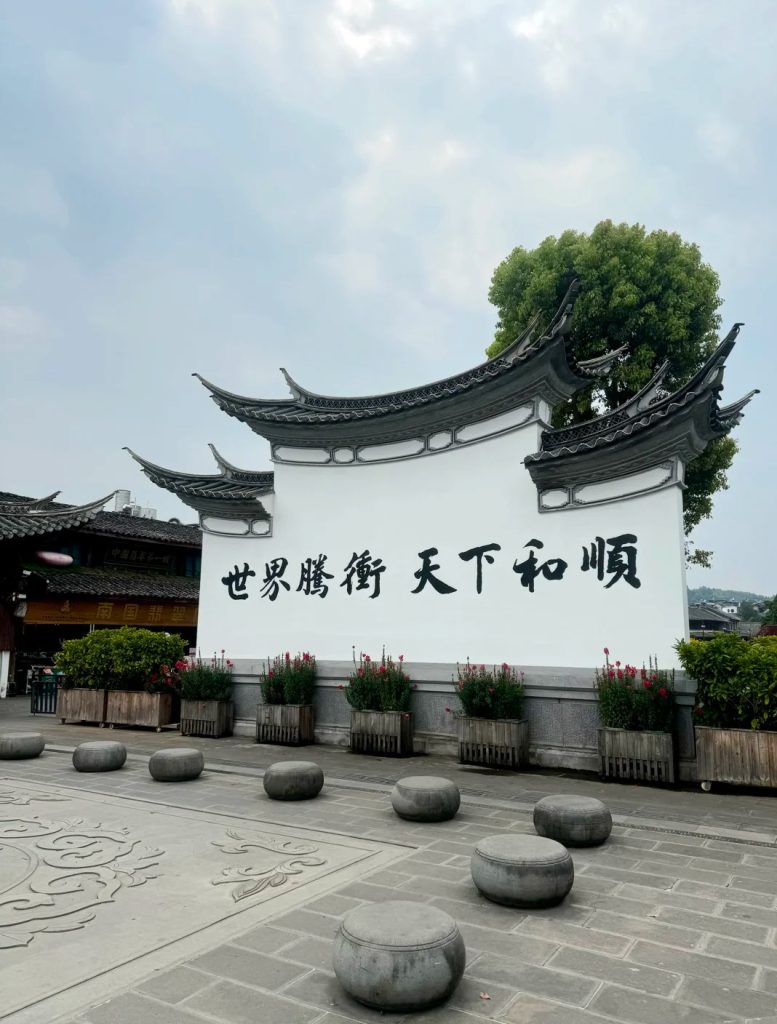
Jianshui (建水) is about two hours by high-speed train from Kunming. This ancient town is famous for its well-preserved Ming and Qing dynasty architecture, the double-deck Seventeen-Arch Bridge, and the Jianshui Confucian Temple—one of the largest in China. You can also take a ride on the Jianshui Small Train, a century-old narrow-gauge railway. The town is known for its grilled tofu, which you eat straight off a charcoal grill while practicing food vocabulary with local vendors.
Yuanyang (元阳) is approximately four to five hours by bus or car from Kunming. Home to the UNESCO-listed Yuanyang Rice Terraces, this is one of Yunnan’s most breathtaking landscapes. The Hani people have cultivated these terraces for over 1,300 years. Sunrise and sunset over the water-filled terraces create unforgettable views. Visit traditional Hani villages, learn about their unique mushroom houses, and practice Mandarin while talking with local farmers.
Dongchuan (东川) is about three hours by bus or car from Kunming. Known as the Dongchuan Red Land, this is considered one of the most colorful landscapes in China. The iron-rich soil creates striking red, orange, and purple hues, especially dramatic after rain or during planting seasons when green crops contrast with the red earth. It is a paradise for photography and a quiet place to practice descriptive language away from tourist crowds.
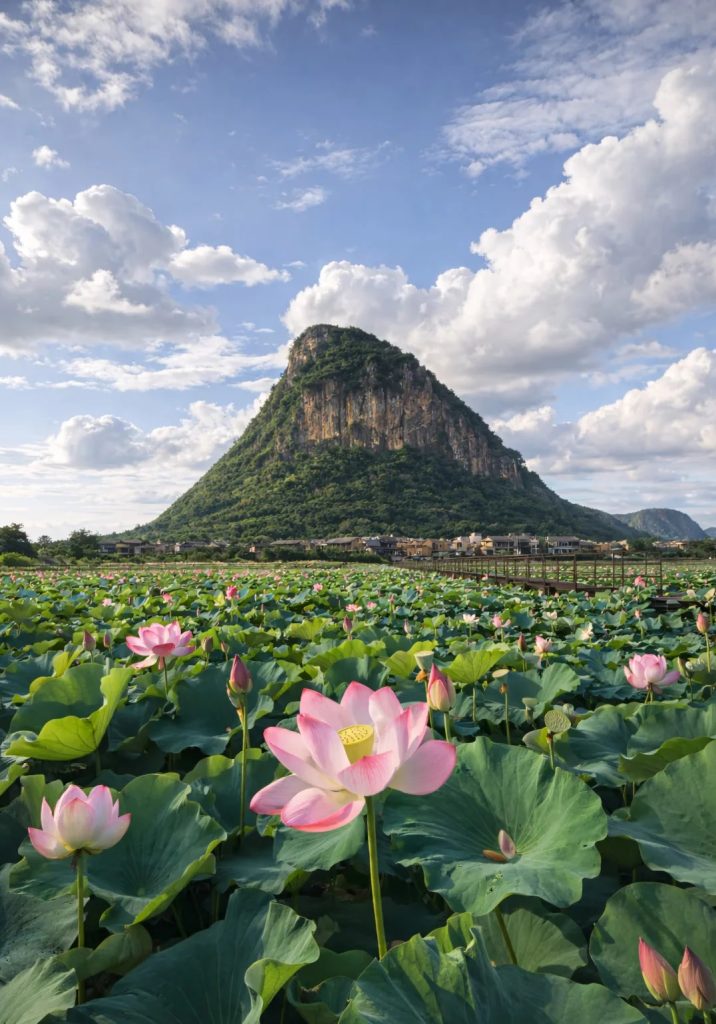
Puzhehei (普者黑) is about one hour by high-speed train from Kunming. This scenic area features karst mountains rising from lotus-filled lakes, often compared to a traditional Chinese painting. You can take a boat ride through the waterways, visit local Yi and Miao villages, and enjoy fresh lotus dishes.
Pu’er (普洱) is about three hours by high-speed train from Kunming. The city is the world-famous home of Pu’er tea. You can visit tea plantations, learn how tea is harvested and fermented, and join a traditional tea ceremony. It is also home to the Pu’er Sun River National Park, where you can see wild Asian elephants and other rare animals. This is an ideal place to practice vocabulary related to nature, taste, and traditional crafts.
Xishuangbanna (西双版纳) is about 45 minutes by flight from Kunming, or around 8 hours by high-speed train. Located in southern Yunnan, this tropical region borders Laos and Myanmar. It is the heart of Dai culture, with stunning Buddhist temples, elephant sanctuaries, and rainforests. Visit the Jinghong Night Market, try Dai-style grilled fish and sticky rice in bamboo, and experience the Water-Splashing Festival if you visit in April. The tropical atmosphere feels like another country, yet you are still in China—perfect for practicing Mandarin while exploring a completely different world.
Tengchong (腾冲) is about one hour by flight from Kunming, or around 6 hours by bus. This western Yunnan city is known for its volcanic geology, hot springs, and the Heshun Ancient Town—one of China’s most charming and less-commercialized ancient towns. Tengchong also holds deep historical significance as a center of resistance against Japanese invasion during World War II. Soak in natural hot springs, visit the Volcano Park, and explore the ancient town’s cobblestone lanes. The pace here is slow, and locals are happy to chat with visitors.
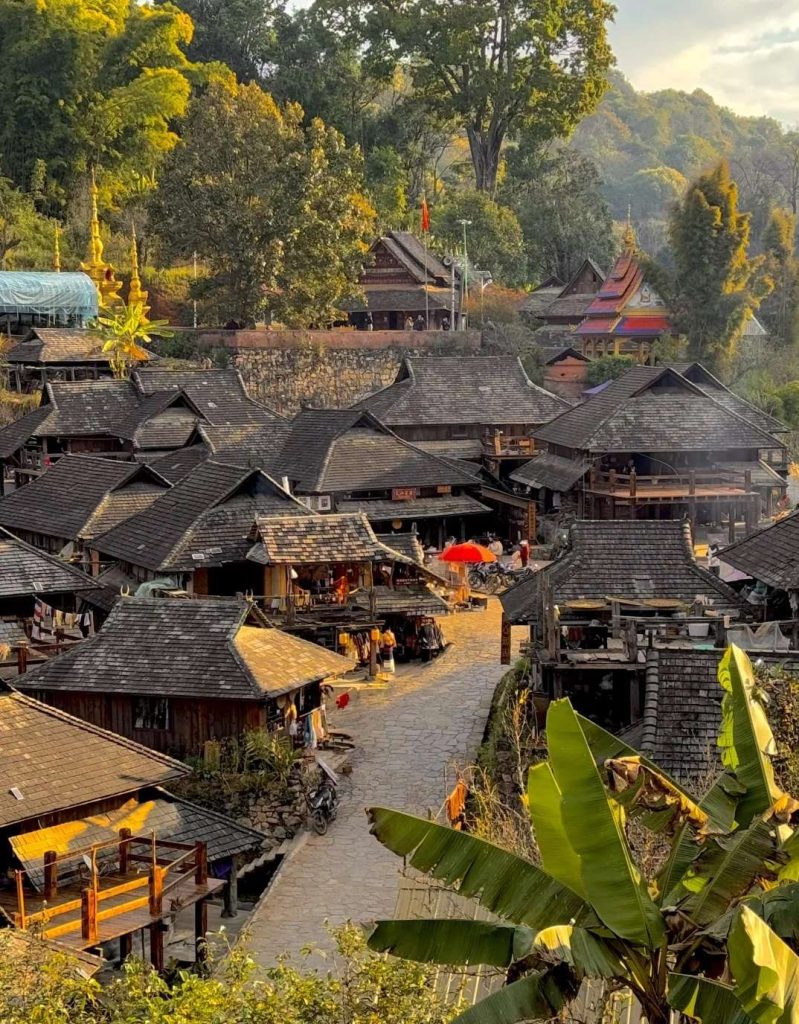
Lincang (临沧) is about four to five hours by bus from Kunming, or a one-hour flight. Lincang is one of Yunnan’s most culturally diverse areas, home to several minority groups including the Wa, Dai, and Lahu peoples. The Wa people are particularly known for their unique wooden drum culture and ancient cliff paintings. Lincang is also an important tea-growing region. This is a destination for deeper cultural exploration, away from typical tourist routes. Mandarin is widely spoken, but you will also hear fascinating minority languages.
Ruili (瑞丽) is about one hour by flight from Kunming, or around 8 hours by bus. Located in western Yunnan on the border with Myanmar, Ruili is a vibrant crossroads of Chinese and Southeast Asian cultures. You can see the famous “One Village, Two Countries” site, where a single village straddles the border between China and Myanmar. The city is also a major hub for jade trading. Practice Mandarin while browsing jade markets, trying Burmese-influenced street food, and crossing paths with traders from both sides of the border. Ruili offers a unique chance to see how Chinese language and culture interact with neighboring countries.
These trips are not just tourism. They are total immersion. You book your own tickets in Mandarin. You ask strangers for directions. You order meals from handwritten menus. You bargain at local markets. Every real-world interaction strengthens your language skills in ways no textbook ever could.
As you set off on these trips, a few essential apps can make your travel experience much smoother. From finding the best train tickets to navigating unfamiliar streets and translating menus, the right tools help you focus on practicing Mandarin instead of worrying about logistics. For a detailed guide on the apps you will want to have on your phone while traveling in China, take a look at our other blog Living in China: 8 Essential Apps You Need to Survive (2026 Expat Guide) post on this topic.
The students who succeed are often the ones who enjoy the process. Yunnan gives you room to enjoy it. The weather is pleasant. The scenery is beautiful. The people are welcoming.
In this environment, learning Chinese stops feeling like a task. It becomes part of your daily life. You wake up, go to class, practice with friends, explore the city, and try new foods. By the time you leave, you have not just learned a language. You have lived it.
Learning Chinese in Yunnan means learning at your own pace, surrounded by nature and culture. The small class sizes, affordable tuition, flexible start dates, and long-term visa support at Sojourn Abroad make this possible. You can begin on any Monday, choose a duration from 2 to 52 weeks, and pay as low as USD $230 per week for 15 small-group classes in standard Mandarin.
The mountains, lakes, temples, and festivals of Yunnan are waiting. Come for the language. Stay for the experience. Leave with more than just words.
By Karina
Course Consultant at Sojourn Abroad
Helping you navigate your study abroad journey.
Thank you so much for contacting Sojourn Abroad! We can’t wait to welcome you in China!