


We will get back to you within 1 working day!
Thank you so much for contacting Sojourn Abroad! We can’t wait to welcome you in China!
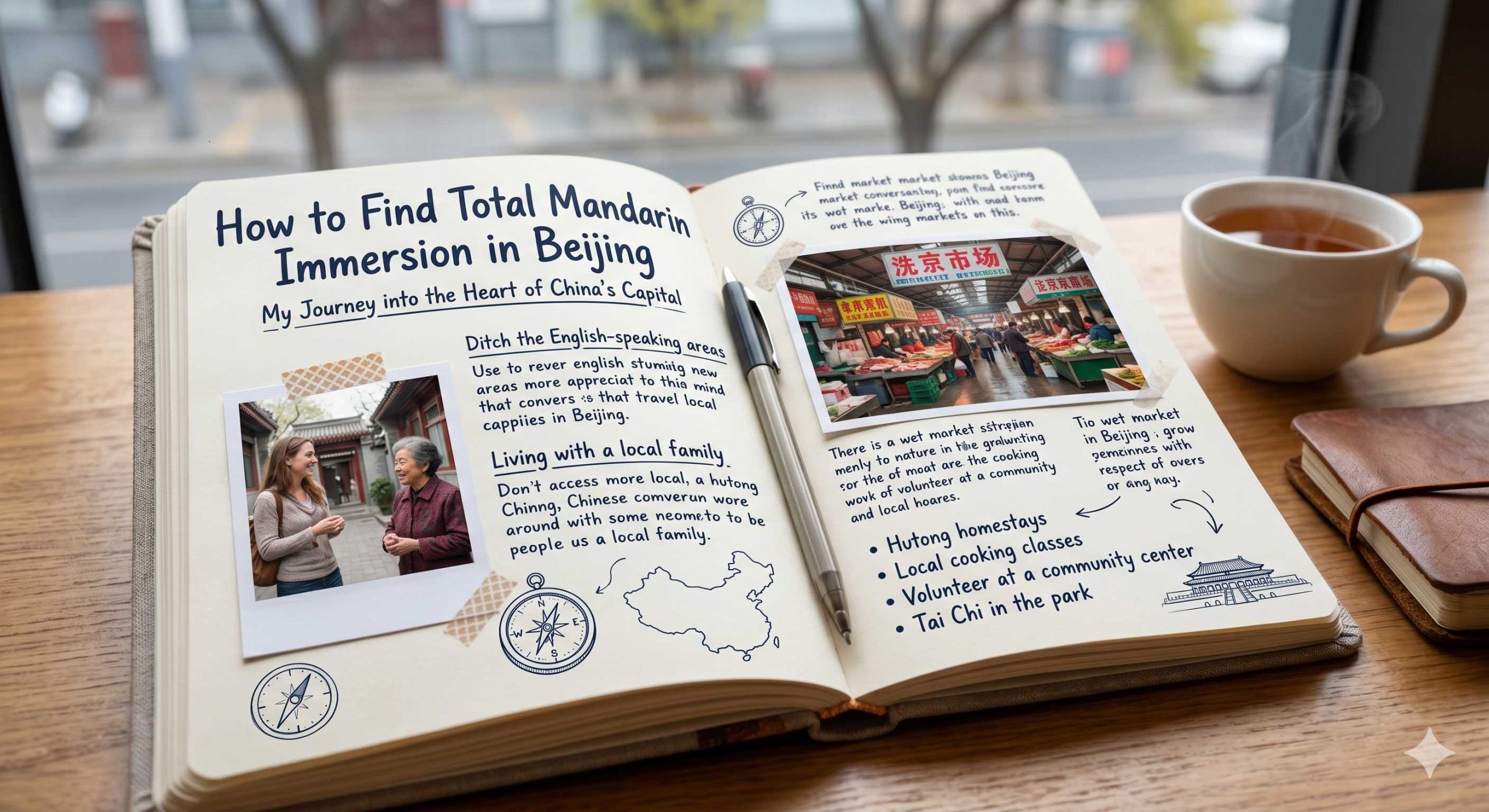
When people ask where to learn Mandarin, one answer stands above the rest: Beijing. As the capital of China, Beijing is not just a political and cultural center. It is also the home of standard Mandarin pronunciation. The dialect spoken here, often called “Beijinghua,” forms the foundation of Putonghua, the official national language. If you want to hear the language spoken clearly and correctly, Beijing is the right place.
But living in Beijing alone does not guarantee fluency. Many international learners spend months or even years in the city and still struggle to hold basic conversations. The reason is simple: total immersion does not happen by accident. It requires intention, strategy, and a willingness to step outside your comfort zone. Below are practical ways to create a truly immersive Mandarin experience in Beijing, without relying on English as a safety net.
One question learners often ask is whether it matters where you study Chinese. The answer is yes. While Mandarin is spoken across China, regional accents vary significantly. In Shanghai, you will hear influences from the Wu dialect. In Guangzhou, Cantonese dominates daily life. In Beijing, however, the spoken language is closest to the standard pronunciation used in news broadcasts and language exams.
This does not mean every Beijing native speaks without an accent. The famous “erhua” (adding an “-r” sound to the end of words) is a local feature. For example, “zhè lǐ” (here) becomes “zhèr.” Still, this is a small and predictable variation. Unlike in some other regions, Beijing speakers do not confuse “n” and “l” sounds or replace “zh,” “ch,” “sh” with “z,” “c,” “s.” The core initials, finals, and tones remain clear and correct. For a learner, this means less confusion and a more reliable model to imitate.
The clarity and correctness of Beijing speech make it an ideal model for learners. When you listen to shopkeepers, taxi drivers, or street vendors in Beijing, you are hearing the same sounds you will be tested on in the HSK (Hanyu Shuiping Kaoshi) listening section. Even the subway announcements are crisp and accurate. That alignment between daily life and academic standards is something few other cities can offer.
Of course, no city is perfect for everyone. If you are weighing whether Beijing is the right fit for your learning style and goals, you may find it helpful to read a balanced perspective. For a more detailed look at the advantages and potential drawbacks of studying in the capital, check out our post: Is Beijing Best for Learning Chinese? Pros and Cons. It explores the trade-offs to help you make an informed decision.
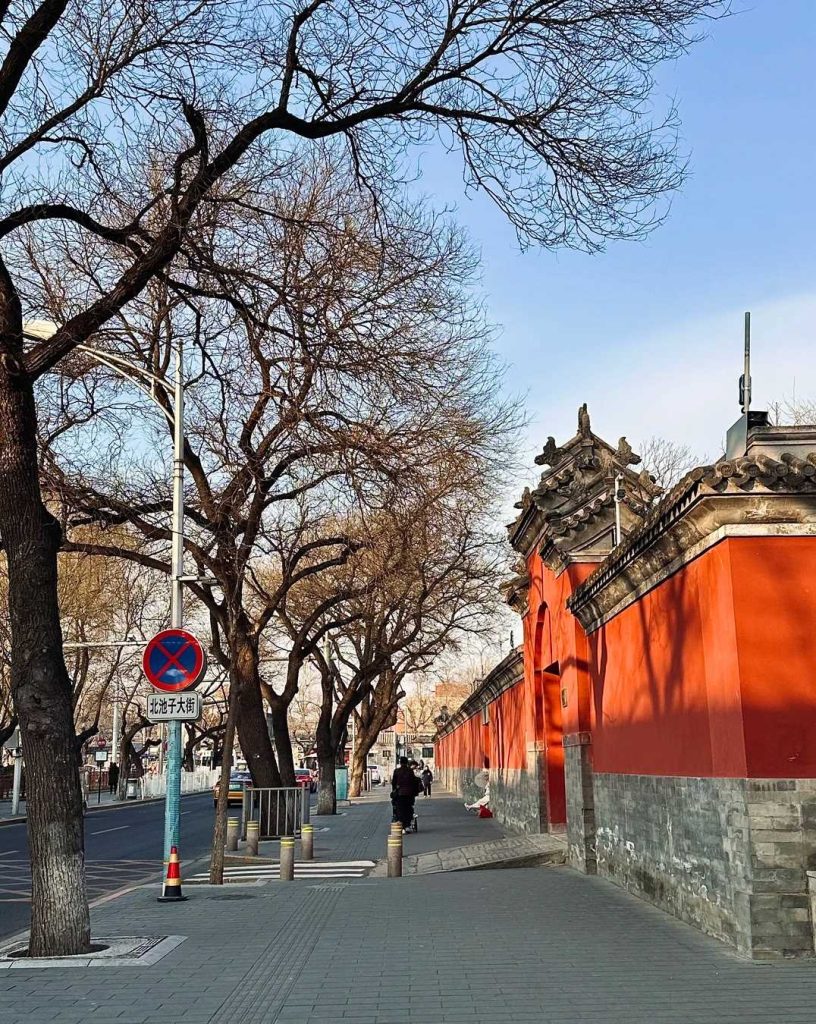

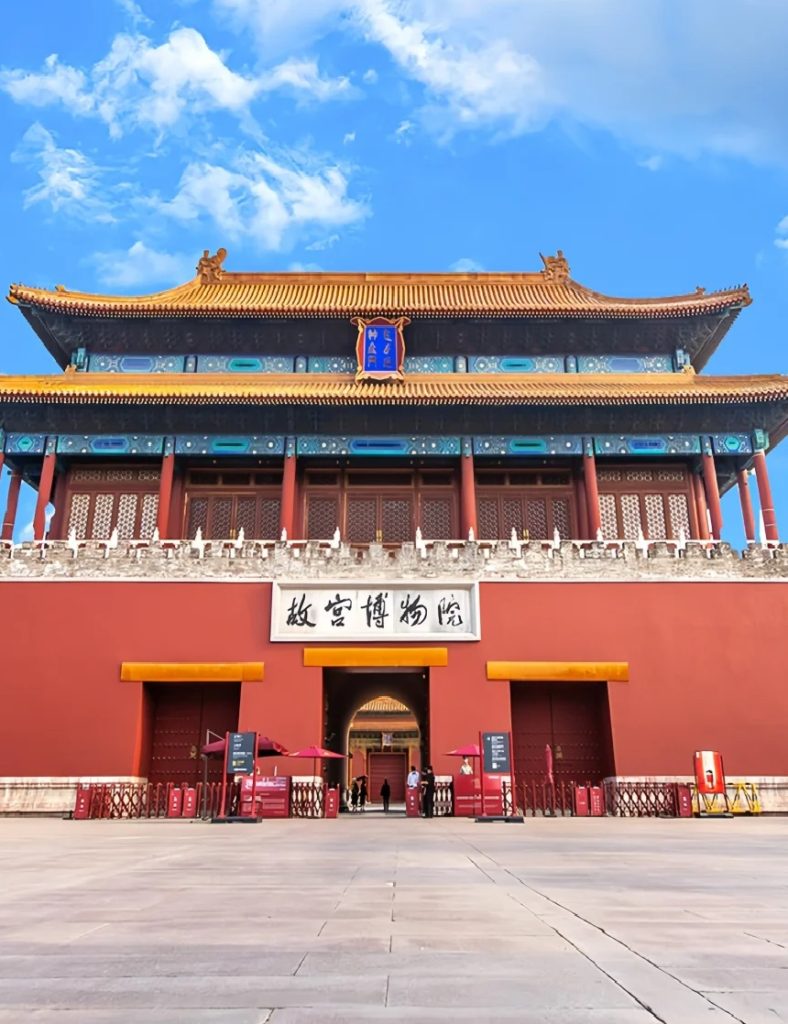
Chinese is not a language you can separate from its culture. Many learners focus only on vocabulary lists and grammar exercises, only to find that they cannot understand jokes, idioms, or social cues. The missing piece is cultural context.
Beijing is a living museum of Chinese tradition. Walking through a hutong (traditional alleyway) is not just a tourist activity. It is a chance to see how community life works, how neighbors greet each other, and what politeness looks like in real situations. Visiting a siheyuan (courtyard home) helps you understand why Chinese people value family structure and hierarchy. Watching older locals practice calligraphy with water on stone ground teaches you about patience and artistic expression.
Every cultural experience in Beijing reinforces your language learning. When you learn the word for “respect” (尊重, zūnzhòng), seeing it demonstrated in a traditional tea ceremony makes it stick. When you study the concept of “face” (面子, miànzi), observing how Beijingers avoid direct confrontation in a market negotiation brings the concept to life. Without culture, words are just sounds. With culture, they become meaningful tools.

Creating total immersion means building a daily routine that leaves little room for your native language. Start with something simple: change your phone’s operating system to Chinese. Set your map app to Chinese. Use Chinese subtitles when watching videos, not English ones. These small changes force your brain to process Chinese characters continuously.
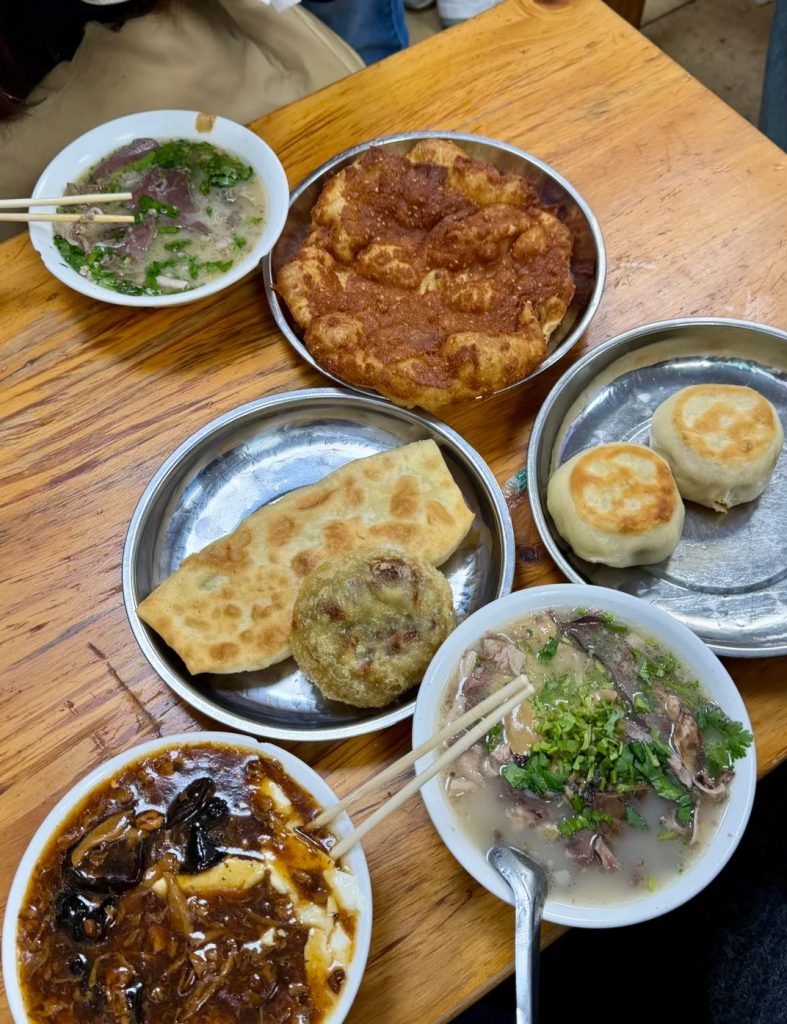
Next, choose your daily activities carefully. Instead of going to international coffee chains where staff may speak English, visit local breakfast shops. Order youtiao (fried dough sticks) and doujiang (soy milk) using only Chinese. When the vendor asks if you want sugar or salt, resist the urge to point or gesture. Use words. It may feel awkward at first, but this discomfort is exactly where learning happens.
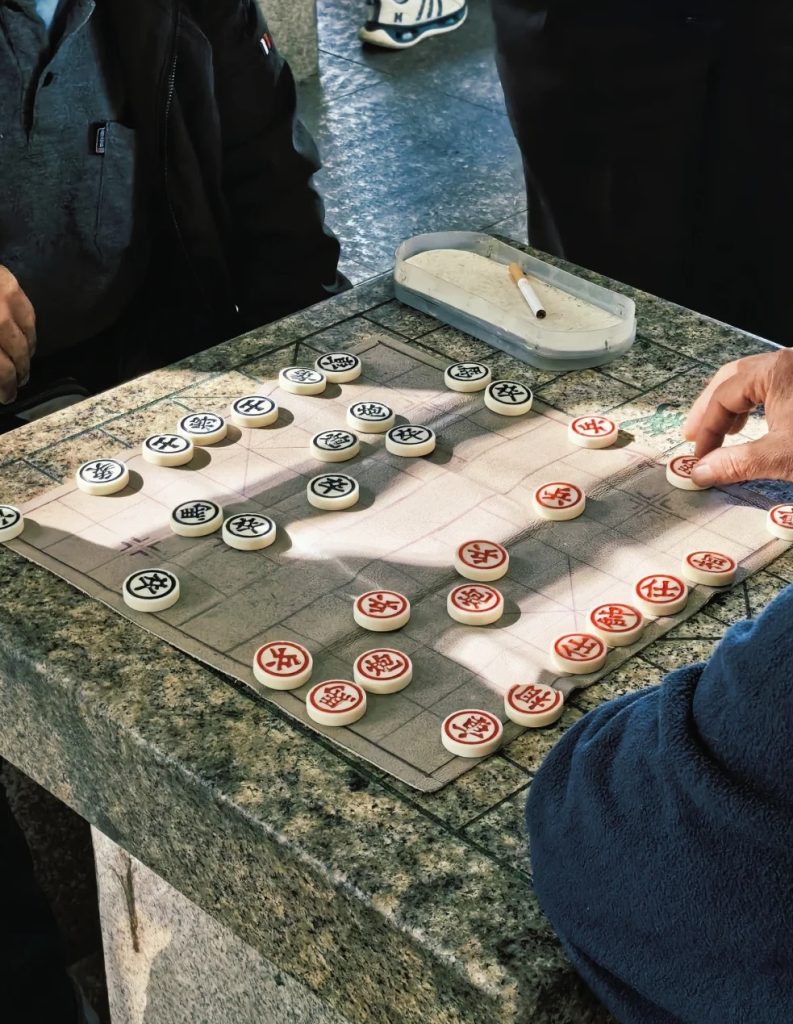
On weekends, visit places where English is rarely spoken. Parks like Ditan (Temple of Earth) are filled with local residents playing cards, singing, or practicing tai chi. These settings offer low-pressure opportunities to strike up conversations. Start with simple compliments: “Your singing voice is beautiful.” Ask basic questions: “How long have you been practicing this?” Most Beijingers are friendly and appreciate when a foreigner makes an honest effort to speak Chinese.
While self-directed immersion is valuable, most learners benefit from structured guidance. Language learning involves plateaus. There will be weeks when you feel no progress. Your tones may still be inaccurate. Certain grammar patterns may remain confusing. During these times, having a clear learning framework makes a huge difference.
This is where a well-organized program becomes helpful. To truly immerse yourself in Beijing’s language environment, many learners choose Sojourn Abroad. It is a focused period dedicated to language and cultural growth. With Sojourn Abroad, you can start on any Monday and choose a duration from 2 to 52 weeks. The program offers 15 classes per week in small group classes of no more than 10 students, ensuring you receive individual attention while still having peers to practice with. This balance keeps lessons engaging and productive.
Beyond the classroom, Sojourn Abroad takes learning into the city itself. You will visit Beijing’s famous landmarks and taste local specialty snacks. Walking through the Forbidden City or standing on the Great Wall turns vocabulary into real memories. Trying dishes like zhajiangmian (noodles with fried sauce) or lüdagun (glutinous rice rolls with sweet bean flour) becomes a natural part of your language practice. These guided cultural activities ensure you are not just studying Chinese but living it.
With the right support system—including structured study plans, cultural excursions, and feedback on your speaking progress—Sojourn Abroad helps you move past the intermediate plateau. It turns Beijing from a place you visit into a classroom you live in every day.
If you are curious about what makes Sojourn Abroad different from other options, or want to understand the full picture of studying Chinese in China, we have you covered. For a deeper dive into topics like language school selection, visa processes, and overall costs, check out our detailed guide: Learning Chinese in China: A Complete Guide to Language Schools, Visas, and Costs. It walks you through everything you need to know before making your decision.
Beijing itself can be your best language teacher. Every errand is a lesson. Go to a wet market and name the vegetables you buy. Take a public bus and listen to the stop announcements. Call a customer service number and practice explaining a simple problem. Visit a museum and read the exhibit labels out loud.
One effective technique is to keep a small notebook with you. Whenever you hear a new word or phrase, write it down phonetically. At the end of the day, look up the correct characters and pronunciation. Then, make a goal to use that word three times the next day. This active retrieval process is far more effective than passive listening or flashcard apps.
Another method is shadowing. When you hear a sentence on the subway or in a shop, repeat it silently to yourself. Mimic the speaker’s tone, speed, and emotion. Beijingers speak with a certain rhythm and confidence. Copying that rhythm helps you sound more natural and less like a textbook recitation.
Finally, remember that total immersion is a process, not a destination. You will make mistakes. You will forget characters you studied last week. You will experience days when nothing seems to stick. This is normal. Every learner goes through it.
What matters is consistency. Speak Chinese every day, even if only for ten minutes. Read Chinese signs every time you walk down the street. Listen to Chinese radio while you cook dinner. Over time, small daily efforts compound into real ability. Beijing offers an unmatched environment for learning Mandarin. The standard pronunciation, rich cultural traditions, and friendly local population all work in your favor. By combining cultural exploration, disciplined daily habits, and the structured programs offered by Sojourn Abroad, you can achieve total immersion. The city is ready to teach you. All you have to do is listen.
By Karina
Course Consultant at Sojourn Abroad
Helping you navigate your study abroad journey.
Thank you so much for contacting Sojourn Abroad! We can’t wait to welcome you in China!