


We will get back to you within 1 working day!
Thank you so much for contacting Sojourn Abroad! We can’t wait to welcome you in China!

So you have decided to learn Mandarin. Good choice. Learning Chinese in your home country can only take you so far. The moment you arrive in China, the language comes alive. Characters on menus become words you need to survive. Tones you practiced in isolation suddenly make sense when a street vendor nods at your correct pronunciation.
Learning Chinese in China is about immersion. But where do you start? Between visas, school choices, and budgets, the process can feel complicated. This guide covers everything you need to know.
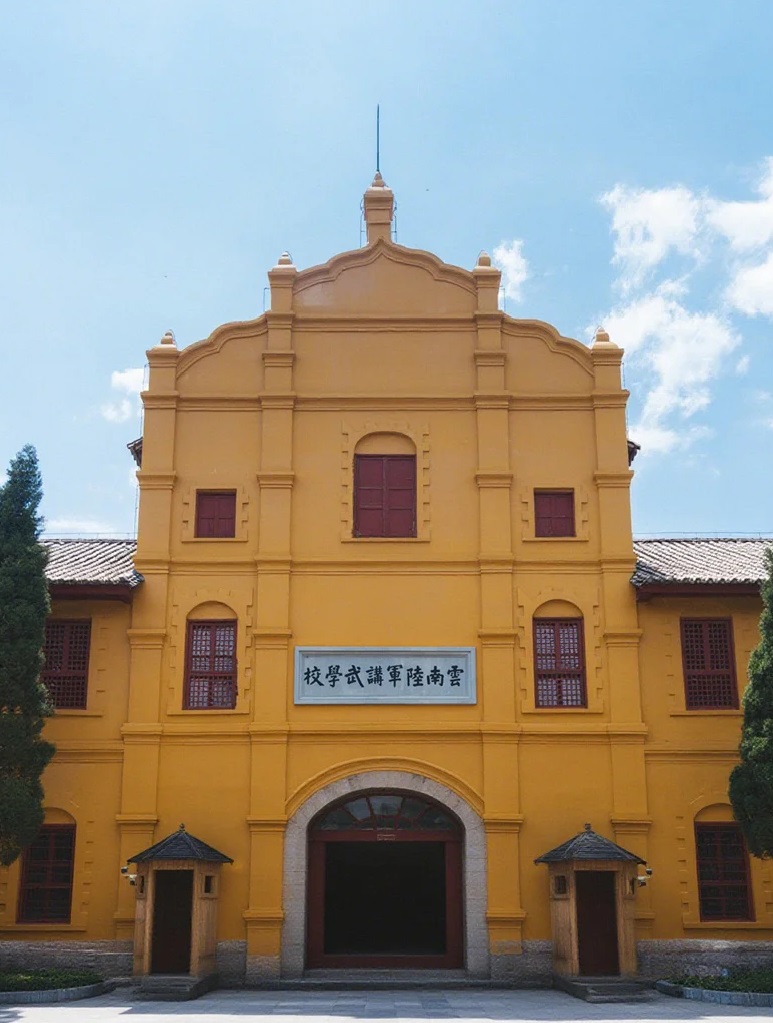


When looking for a Chinese language program in China, you want three things: quality teaching, reasonable cost, and genuine cultural experience. Sojourn Abroad in Kunming delivers all three.
Small Class Sizes for Real Progress:Language learning requires speaking. Not listening to a teacher talk for an hour while 20 other students sit silently. Sojourn Abroad keeps its small group classes to 10 students or fewer. This means you actually get to practice. The teacher can correct your pronunciation, answer your questions, and adapt to your pace. You are not just a face in the crowd.
Start Any Monday, Stay Any Length: Unlike university programs that lock you into September or March start dates, Sojourn Abroad lets you begin on any Monday. This flexibility is invaluable. Whether you want a short two-week intensive or a full year of immersion, durations from 2 to 52 weeks are available. You do not have to plan your life around an academic calendar.
Affordable Weekly Rates: Quality Chinese education does not have to cost a fortune. Sojourn Abroad offers weekly rates as low as USD $230. That price includes 15 classes per week in a small group setting. When you compare this to the upfront lump sums required by many programs, the transparency and flexibility are refreshing. You pay for what you need, nothing more.
Visa Support That Works: The student visa process can be intimidating. Sojourn Abroad assists students with obtaining long-term student visas, handling the paperwork process so you can focus on preparing for your trip rather than stressing over paperwork. Having a program that knows the system makes a significant difference.
Apartment Hunting Made Easy: Finding housing in a foreign country is often the biggest headache. Sojourn Abroad offers an Apartment Hunting Add-on to help you secure suitable accommodation. Instead of wandering around trying to negotiate with landlords in Chinese, you get support finding a place that fits your budget and preferences. This small service saves days of stress.
Beyond the Classroom: Culture and Community: Language sticks better when it is connected to real experiences. Sojourn Abroad organizes traditional festival activities throughout the year. During the Spring Festival, you might make dumplings with classmates or write spring couplets to hang on doorways. These are not tourist gimmicks—they are genuine cultural moments that teach you vocabulary and customs textbooks never cover.
The program also leads students to Kunming’s famous landmarks. You might visit Green Lake Park, hike the Western Hills, or explore the Stone Forest. Along the way, you try local snacks and practice ordering food in real situations. These small adventures turn language learning into something you live.


The student visa process is manageable once you understand the basics. But here is something many first-time students overlook: your visa depends entirely on your school’s legal status.
The X2 visa is for short-term study, usually 90 to 180 days. It works well for one semester or a summer program. Your school issues official documents, you apply at the Chinese embassy, and you receive your visa in about 5 to 10 days.
The X1 visa is for long-term study, typically over 6 months. After arriving in China, you convert it to a Residence Permit within 30 days.
The key to obtaining either visa is the official paperwork that only legally recognized and government-approved language schools can provide. Without a legitimate school, there is no paperwork. Without paperwork, there is no student visa.
This is why choosing a qualified, accredited language school is not just about quality of education—it is about your legal ability to study in China at all. Unqualified programs may promise you a visa, but if they are not officially recognized, your application will be rejected.
What a legitimate school provides: An official admission letter recognized by Chinese authorities, the proper paperwork issued through government channels, and legal status to sponsor your student visa.
What happens if you choose an unqualified school: Your visa application will be denied. You may be asked to leave China. You waste time, money, and the opportunity to study.
Before you pay any deposit, confirm that your chosen program is officially recognized. Programs like Sojourn Abroad are fully qualified to provide the necessary paperwork and assist students with the long-term student visa process.
Timeline: Apply to your school 2 to 4 months before departure. The school issues official documents in 4 to 6 weeks. The visa takes another 1 to 2 weeks at the embassy. Book flights only after your visa is approved.
Everyone wants to know how much it actually costs to study Chinese in China.
Tuition fees: With Sojourn Abroad, you pay as low as USD $230 per week for 15 small group classes. This weekly model gives you flexibility. If you want to study for 8 weeks, you pay for 8 weeks. If you want a full year, you pay for 52 weeks. No large upfront lump sums for a whole semester that you might not be able to complete.
Accommodation costs: As mentioned earlier, Sojourn Abroad offers two options based on your program length. For programs longer than 12 weeks, the apartment option ranges from $200 to $1,000 per month. For programs of 2 to 12 weeks, the hotel option ranges from $200 to$ 1,000 per week. Both are conveniently located close to the school, saving you transportation time and money.
Monthly living expenses (excluding rent) in Kunming: Budget 310 to 550 USD for food, transport, phone, entertainment, and utilities. Eating at local noodle shops costs 1 USD to 1.67 USD per meal.
One-time startup costs: Flight (555 to 1,390 USD), visa fee (140 to 280 USD), health check (55 to 110 USD), temporary housing (280 to 695 USD), apartment deposit (415 to 2,080 USD, refundable), and textbooks (28 to 70 USD per semester).
Total estimated monthly budget with Sojourn Abroad (Kunming): Weekly tuition at USD $230 equals about 1,600 RMB per week, or roughly 890 USD per month for tuition. Add a private apartment at 485 USD and living expenses at 415 USD. The total comes to about 12,900 RMB per month, or roughly 1,800 USD. This is for a high-quality small group program with visa support and cultural activities. The same quality in Beijing or Shanghai would cost significantly more.

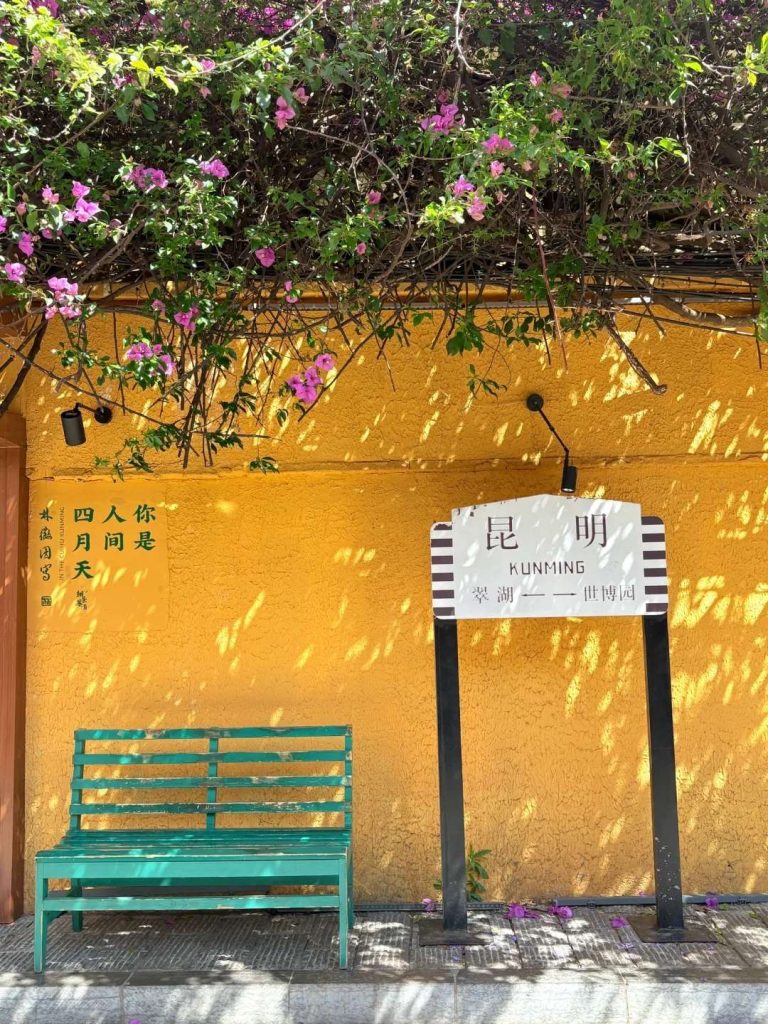
One of the best parts of learning Chinese in China is the cultural experience. Language is easier to remember when it is connected to real activities and memories.
Many language programs organize traditional festival events throughout the year. During the Spring Festival, you might find yourself making dumplings with classmates or writing spring couplets to hang on doorways. These are not just fun activities—they also teach you vocabulary and customs that textbooks rarely cover.
Some schools also arrange trips to local landmarks. In a city like Kunming, this might include visiting Green Lake Park, the Western Hills, or the Stone Forest. Along the way, you can try local snacks and practice ordering food in real situations. These small adventures turn language learning into something you live, not just study.
3 to 4 months before: Research schools, request and gather official documents from your school. Check whether your chosen program offers start dates every Monday and durations that fit your schedule—from 2 weeks to a full year.
2 months before: Receive Admission Notice and your school’s legal license, apply for visa, book a refundable flight.
1 month before: Get visa, set up a VPN, download WeChat and Alipay, learn to use a Chinese keyboard on your phone.
1 week before: Notify your bank, withdraw 1,000 to 2,000 RMB cash, download offline maps, install the Pleco dictionary app.



Learning Chinese in China is a journey. The classrooms and textbooks are helpful, but the real learning happens when you order noodles from a street vendor, ask for directions from a local grandparent, or celebrate a festival with new friends.
The characters are waiting for you. 加油 (Jiāyóu)!
By Karina
Course Consultant at Sojourn Abroad
Helping you navigate your study abroad journey.
Thank you so much for contacting Sojourn Abroad! We can’t wait to welcome you in China!