


We will get back to you within 1 working day!
Thank you so much for contacting Sojourn Abroad! We can’t wait to welcome you in China!
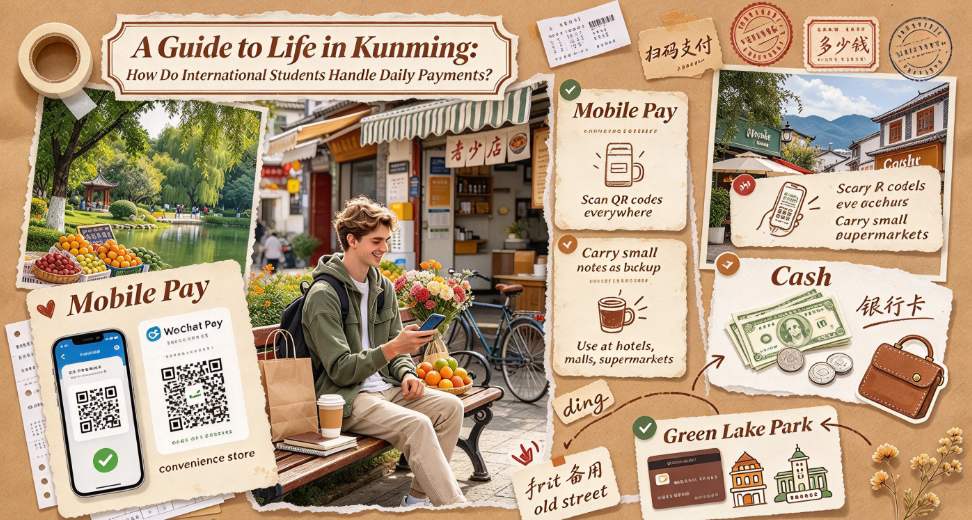
When you first arrive to learn Chinese in Kunming, the language is not the only thing you need to figure out. Daily life comes with its own set of puzzles, and one of the first is surprisingly simple: how do you actually pay for things?
Coming from a country where credit cards or cash are the norm, you may be surprised to find that Kunming runs almost entirely on mobile payments. Knowing this before you arrive will save you a lot of awkward moments — and help you settle into student life much faster.
In Kunming, mobile payment is the standard. The two apps you will use most are WeChat Pay and Alipay. Both allow you to pay by scanning a QR code, and you will see those codes everywhere — at convenience stores, fruit stands, noodle shops, coffee shops, and even at the entrance of Green Lake Park.
Setting up mobile payment used to be difficult for foreigners, but it has become much easier. Both apps now support international credit cards, including Visa and Mastercard. You can link your card in the app, verify your identity with your passport, and start paying within a day or two.
For students taking small group Chinese courses in Kunming, having WeChat Pay set up early is especially useful. Not only does it let you pay for meals and transport, but it also opens the door to messaging, ride-hailing, and food delivery — all in Chinese, which is a bonus for language practice.

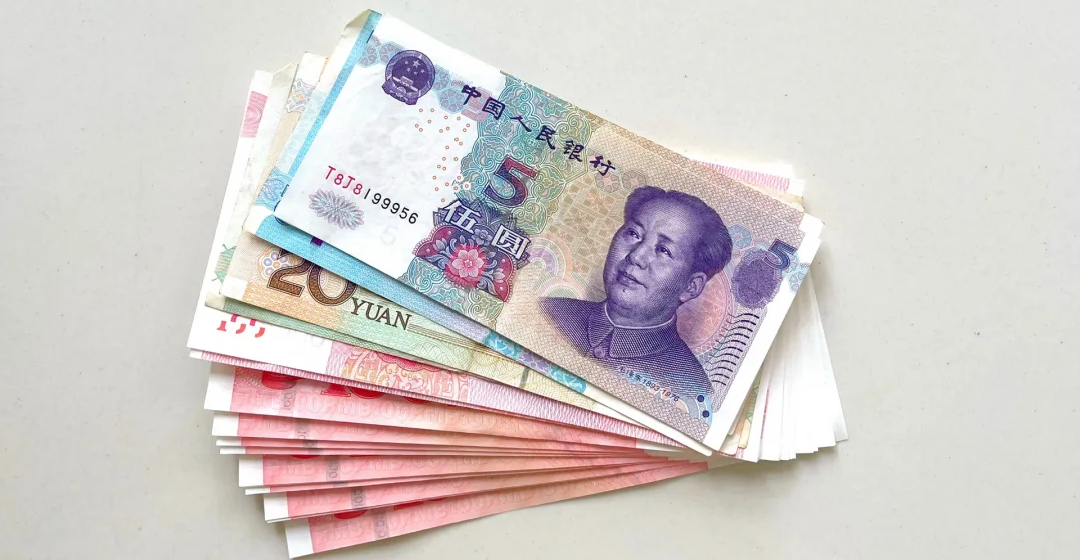
Cash is still accepted in Kunming, and it remains useful in certain situations. Smaller vendors, older shopkeepers, and some markets may prefer cash. It is also a good backup if your phone dies or your mobile payment fails.
However, carrying large amounts of cash is not necessary. Most transactions are digital, and many young people rarely use cash at all. If you do carry cash, keep small notes — 10, 20, and 50 yuan — because vendors may not have change for a 100-yuan note.
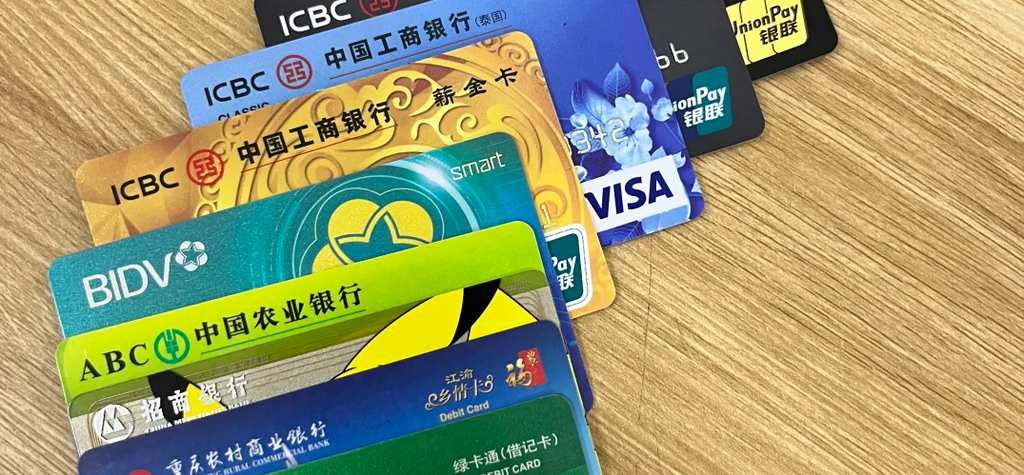
International credit and debit cards are accepted in larger establishments: hotels, shopping malls, supermarkets, and some chain restaurants. But do not expect them to work at small shops or street stalls. Look for signs that say Visa, Mastercard, or UnionPay.
If you are staying in Kunming for a longer period, you might consider opening a local bank account. This allows you to use local banking apps, transfer money easily, and link your account to WeChat Pay or Alipay. It takes some paperwork, but for long-term students enrolled in Chinese lessons in Kunming, it can be worth the effort.
Here are a few things that will make your first weeks in Kunming much smoother:
You will use mobile payment constantly, but some places are especially good for practicing. At Kunming Old Street, you can buy grilled rice cakes or flower cakes from a street stall and practice saying the price out loud. At the fruit stands near Green Lake Park, you can ask how much a bunch of bananas costs and pay with a quick scan. Even at the tea houses near Yunnan University, ordering a pot of tea becomes a small language exercise.
When you study Chinese in Kunming, the city becomes your classroom — and every payment is a chance to practice.

Understanding how to pay in Kunming is not just about convenience. It is part of adapting to life in China. When you can handle daily transactions on your own, you feel more independent and more confident. That confidence carries over into your language learning.
The first time you scan a QR code and hear the familiar “ding” of a completed payment, you will feel a small but real sense of accomplishment. And who knows — you might even learn the Chinese word for “discount” along the way, perhaps while bargaining at the Dounan Flower Market.

Paying in Kunming is not complicated once you understand the system. Mobile payment is the default, cash is a useful backup, and bank cards work in larger places. For anyone planning to learn Mandarin in Kunming, getting comfortable with these methods is one of the first steps toward feeling at home in the city.
So set up your apps, carry a little cash, and do not be afraid to make mistakes. Every payment is a small victory — and another chance to practice your Chinese.
Thank you so much for contacting Sojourn Abroad! We can’t wait to welcome you in China!