


We will get back to you within 1 working day!
Thank you so much for contacting Sojourn Abroad! We can’t wait to welcome you in China!

Summer hits. School is out. The pressure lifts. For a teenager, this is the moment to explore, to try something new, to figure out who they are outside the familiar orbit of home. Now imagine spending that summer in Dali. Waking up to mountain light on Erhai Lake. Learning Chinese not from a textbook, but by bargaining for street food, filming a short movie with new friends, and hiking through clouds on Cangshan Mountain. This is not a fantasy. This is what a Chinese summer in Dali actually delivers. And teenagers love it.
Most Chinese summer programs drop students into Beijing or Shanghai. Those cities are vast, exciting, and exhausting. They demand long metro rides, constant vigilance, and a high tolerance for crowds. Dali offers the opposite. It is compact. Safe. Easy to navigate independently. The pace is relaxed. The air is clean. The views are postcard-perfect. For a teenager experiencing China for the first time, Dali feels like an adventure without the overwhelm.
Dali Ancient City is walkable and welcoming. But it is also a real town with real residents. The old streets fill with Bai grandmothers selling vegetables, artisans stitching indigo cloth, and musicians playing traditional instruments. Teenagers can wander, explore, and practice Chinese with shopkeepers who are patient and friendly. The English safety net, while present in some cafés, is thin enough to encourage genuine Mandarin use.
Teenagers disengage quickly from rote memorization. They need relevance. Purpose. Fun. Dali’s summer environment turns every activity into a language opportunity. The vocabulary is practical and immediately useful.
When a teenager learns “Wǒ yào yī ge kǎo ěr kuài” (I want one grilled rice cake) and then actually receives it, the word sticks. That moment of successful communication is more motivating than any test score.
Teenagers learn languages best through social connection. They want to talk to each other. A Chinese summer camp that groups teens by age and level creates a natural peer community. They become friends. They want to communicate. Chinese becomes the shared project, the inside joke, the tool for making memories.
The day begins in a shaded courtyard school near the old town. The morning is for focused instruction. Small groups, organized by proficiency level, work with teachers trained to engage young learners. The curriculum is built around the afternoon’s activity. If the group will visit a Bai tie-dye workshop later, the morning lesson covers color words, craft vocabulary, and polite questions.
A small group Chinese class in this setting feels nothing like school back home. The open courtyard, the mountain view, the anticipation of the afternoon adventure. Teenagers show up eager.
After lunch, the classroom walls dissolve. The town becomes the textbook. Teachers lead small groups on themed missions. One day it is a food scavenger hunt. Each team receives a list in Chinese. “Find something sour. Find something grilled. Find something a local grandmother recommends.” Teens fan out through the market, approach vendors, ask questions, and report back.
Another day might involve a photography challenge. “Take a photo of something that represents Dali. Describe it in three Chinese sentences.” The results are creative, personal, and linguistically rich. One student photographs a woman weaving cloth. “Tā de shǒu hěn kuài. Bù hěn piào liang. Wǒ xiǎng xué.” Her hands are fast. The cloth is beautiful. I want to learn. That is real communication, born from real curiosity.
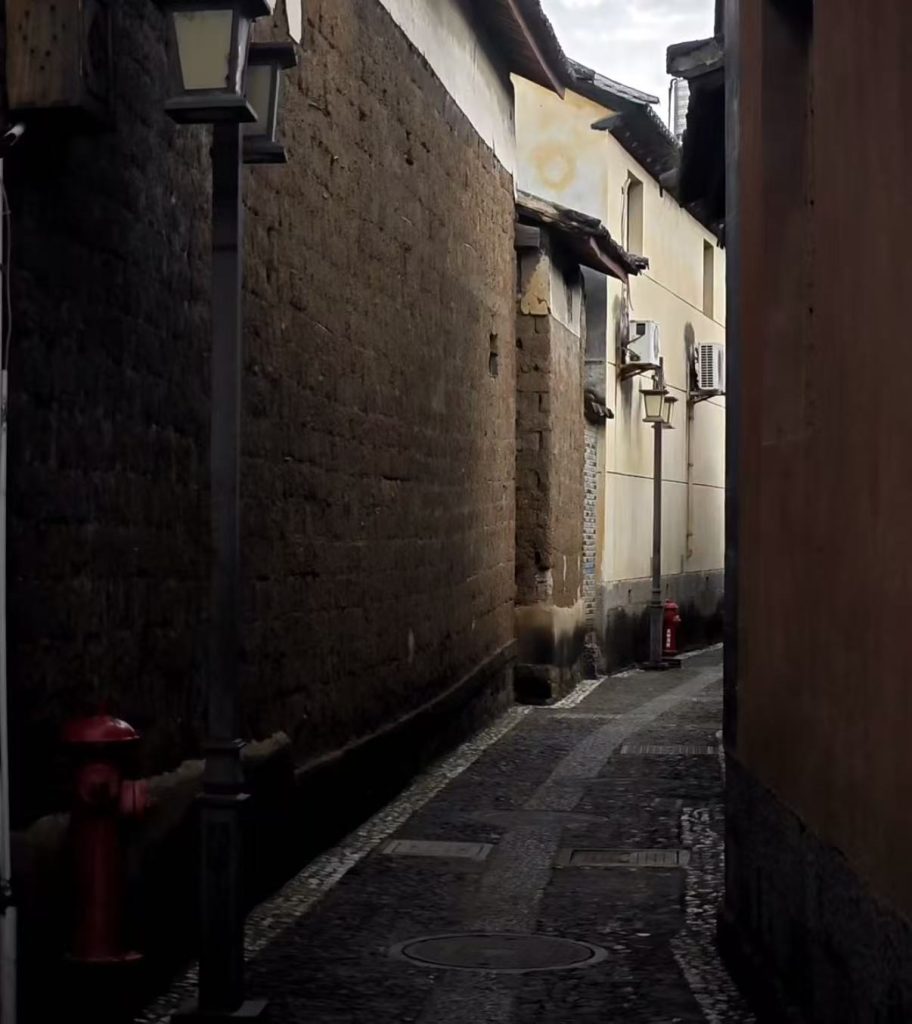
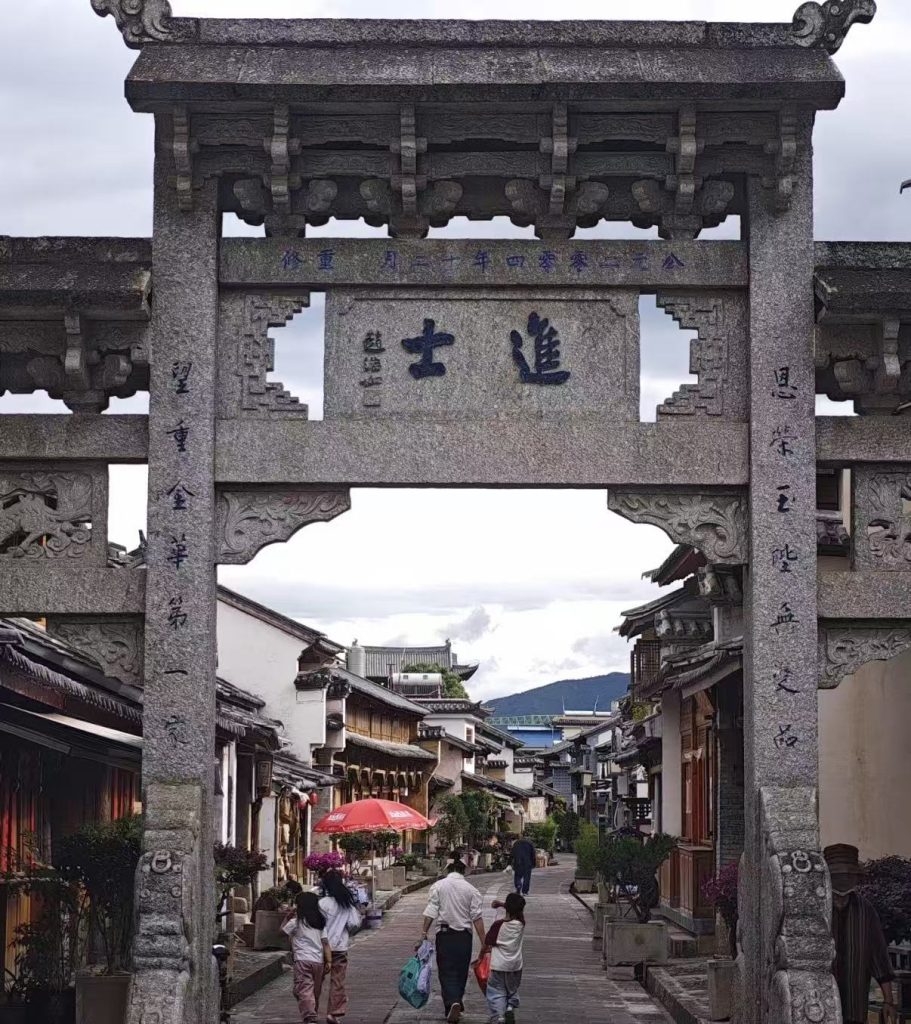
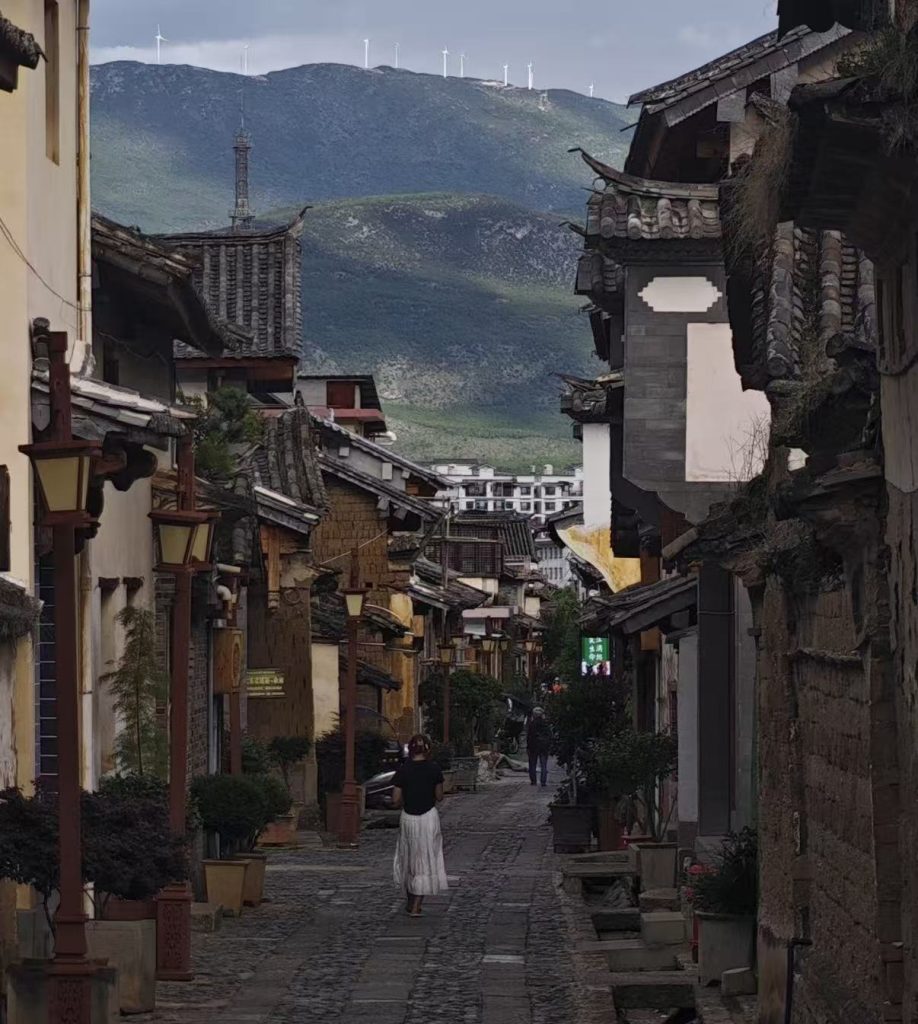
Dali’s cultural resources are world-class. A Chinese summer camp here taps into them directly.
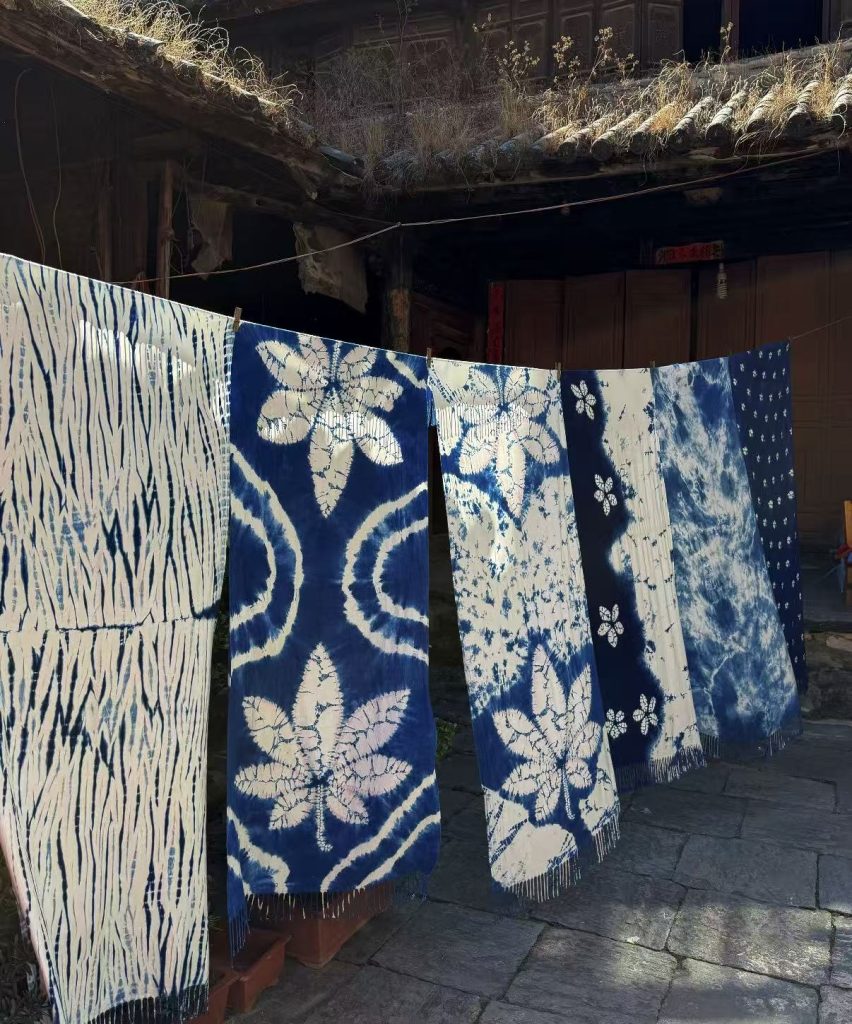
Zhoucheng Tie-Dye Workshop
Teens visit a Bai family workshop in Zhoucheng Village, the historic center of tie-dye craft. They learn to fold, bind, and dye cloth under the guidance of an elderly artisan. The process is tactile, visual, and deeply satisfying. The language lesson is baked in. “Zhé” (fold). “Bǎng” (bind). “Rǎn gāng” (dye vat). When a teenager pulls their own blue-and-white cloth from the indigo vat, they own those words.
Erhai Lake Cycling
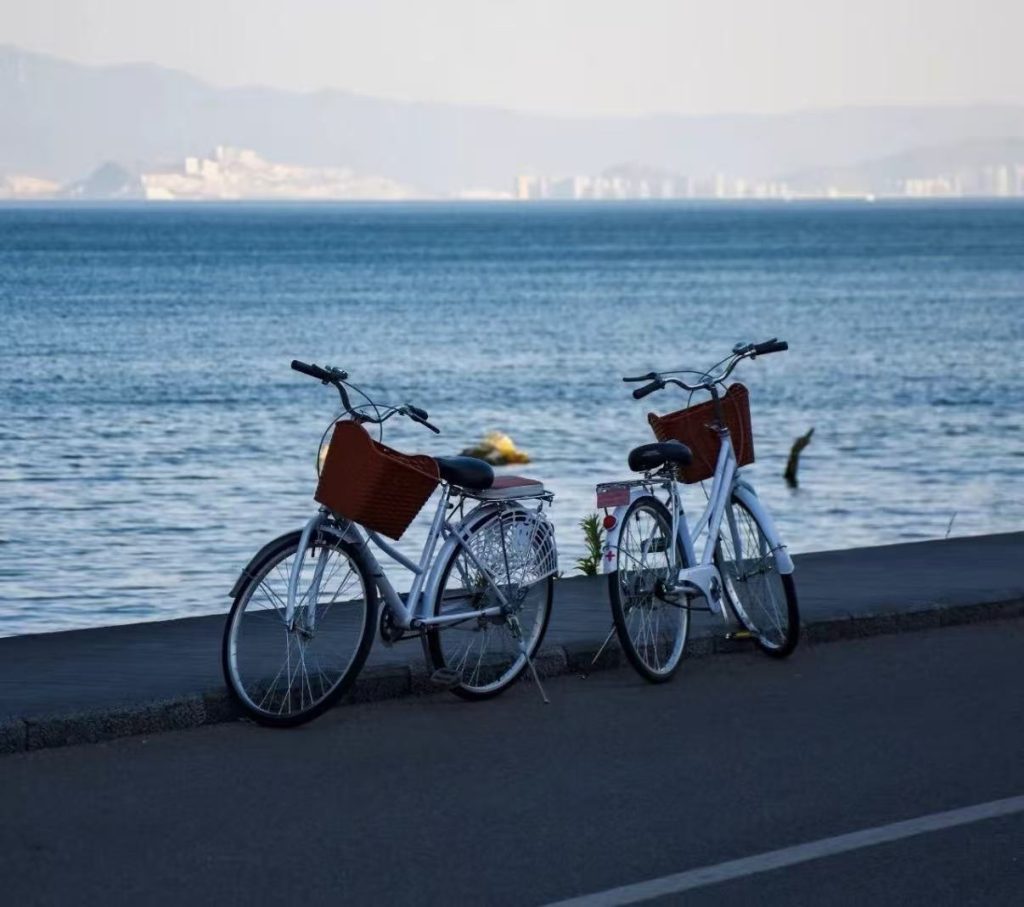
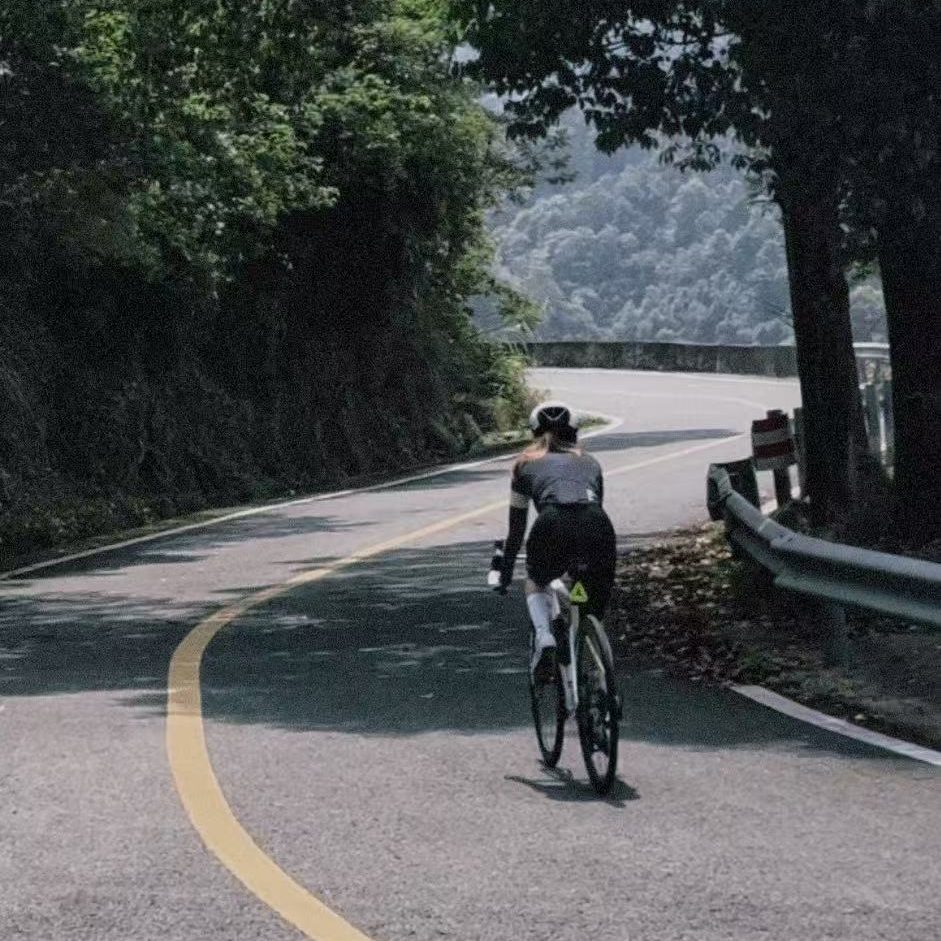
A guided bike ride along Erhai Lake is both recreation and language practice. The route passes fishing villages, rice paddies, and mountain viewpoints. Teens stop to buy water, ask for directions, and comment on the scenery. “Hú shuǐ hěn lán.” The lake water is very blue. “Nà zuò shān hěn gāo.” That mountain is very tall. The language flows because the experience demands it.
Cangshan Mountain Hiking
A morning hike on Cangshan Mountain takes teens into cooler air and ancient forests. The trail passes temples and waterfalls. A teacher might pause the group at a viewpoint. “Yòng zhōng wén miáo shù nǐ kàn dào de.” Describe what you see in Chinese. The responses are raw and honest. The mountain itself becomes the lesson.

Dinner is a group affair. Teens gather at a local restaurant or cook together in a courtyard kitchen. The rule is simple: speak Chinese. Even broken Chinese. Even two-word sentences. The shared effort builds camaraderie.
After dinner, the group might watch a Chinese movie with subtitles, play language games, or simply hang out and talk. The bonds formed here are as important as the vocabulary learned. Teenagers return home not just with better Chinese, but with friends from around the world.
Many teenagers arrive in Dali with zero Chinese. That is fine. The camp is designed for beginners. But a few weeks of online Chinese lessons before departure can transform the experience. A teenager who learns pinyin, basic greetings, and survival phrases at home arrives with confidence. The first day is not a shock. It is an exciting continuation.
A one-on-one and group combination course during the summer itself offers the best of both worlds. Morning group sessions provide social energy and peer interaction. Afternoon private tutoring targets individual weaknesses, whether tones, characters, or speaking confidence. The combined approach ensures no one falls behind and everyone gets personalized attention.
The Chinese learned in Dali during summer does not fade when school resumes. It is anchored in vivid memories. The word for butterfly, “hú dié,” is tied to Butterfly Spring. The word for spicy, “là,” is tied to that bowl of noodles by the south gate. The brain retains emotionally charged, sensory-rich memories far longer than abstract information.
A summer in Dali often sparks a lasting interest in Chinese. Teenagers return home motivated to continue. They sign up for Chinese classes at school. They seek out language exchange partners. Some return to Yunnan for a second summer. The Dali experience is not an isolated trip. It is a doorway.
Not all teenagers are the same. Some thrive in group settings. Others need more individual attention. Some are complete beginners. Others have studied Chinese for years. The best summer experiences match the program to the learner.
A Chinese summer camp that offers flexible structures works for the widest range of teens. Small group classes for social learning. One-on-one coaching for targeted growth. Combined packages that blend both. Even online Chinese lessons before or after the summer to keep momentum going.
Kunming Mandarin School designs summer experiences around these principles. Their programs in Dali and Kunming connect teenagers with real language, real culture, and real friends. The teachers understand adolescents. They know when to push and when to play. The result is a summer that changes how a teenager sees Chinese, and often how they see themselves.
Summer in Dali is short. The mountains are green. The lake is blue. The old town hums with festival sounds and street food smoke. A teenager who spends this season here does not just learn Chinese. They live it. And that makes all the difference.
Thank you so much for contacting Sojourn Abroad! We can’t wait to welcome you in China!