


We will get back to you within 1 working day!
Thank you so much for contacting Sojourn Abroad! We can’t wait to welcome you in China!
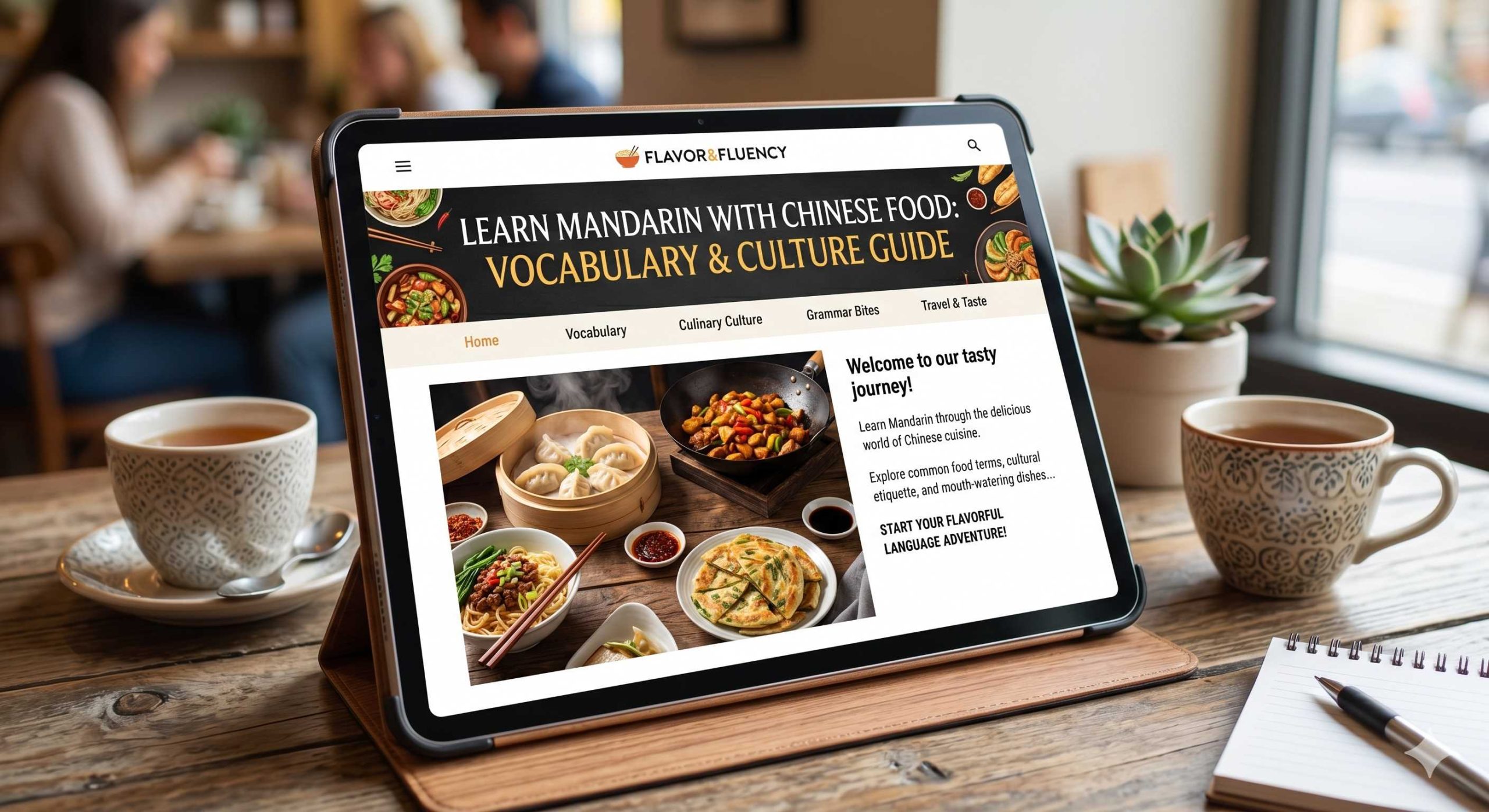
Ask anyone who has studied Mandarin what their most useful vocabulary topic is, and many will say food. Not because they love eating—though that helps—but because food words appear in every conversation, every market visit, and almost every social interaction.
If you are planning to learn Chinese, building your vocabulary around food is not just practical. It is essential. You will need to order meals, ask about ingredients, understand prices, and eventually recommend dishes to friends. Food gives you a reason to speak every single day.
Textbooks often start with greetings and family terms. Those are fine. But food words get used immediately.
Start with these basics:
饭 (fàn) – rice or meal
菜 (cài) – dish or vegetable
吃 (chī) – to eat
喝 (hē) – to drink
好吃 (hǎo chī) – delicious
辣 (là) – spicy
不辣 (bù là) – not spicy
水 (shuǐ) – water
茶 (chá) – tea
谢谢 (xiè xie) – thank you
Add numbers from one to ten. Add simple phrases like “我要这个” (I want this) and “多少钱” (how much). With fewer than 30 words, you can already walk into a restaurant and successfully order a meal.
Beyond single words, learning a few key phrases will take you far:
我要这个 (wǒ yào zhè ge) – I want this
一个/一碗 (yī gè / yī wǎn) – one (portion/bowl)
不要香菜 (bù yào xiāng cài) – no cilantro
少放辣 (shǎo fàng là) – less spicy
打包 (dǎ bāo) – to go
这个是什么 (zhè ge shì shén me) – what is this?
里面有肉吗 (lǐ miàn yǒu ròu ma) – is there meat in this?
多少钱 (duō shǎo qián) – how much?
With these phrases in your pocket, you can handle almost any food-related situation, from street stalls to sit-down restaurants.
In China, food is never just food. It carries deep cultural meaning that learning the vocabulary alone will not teach you.
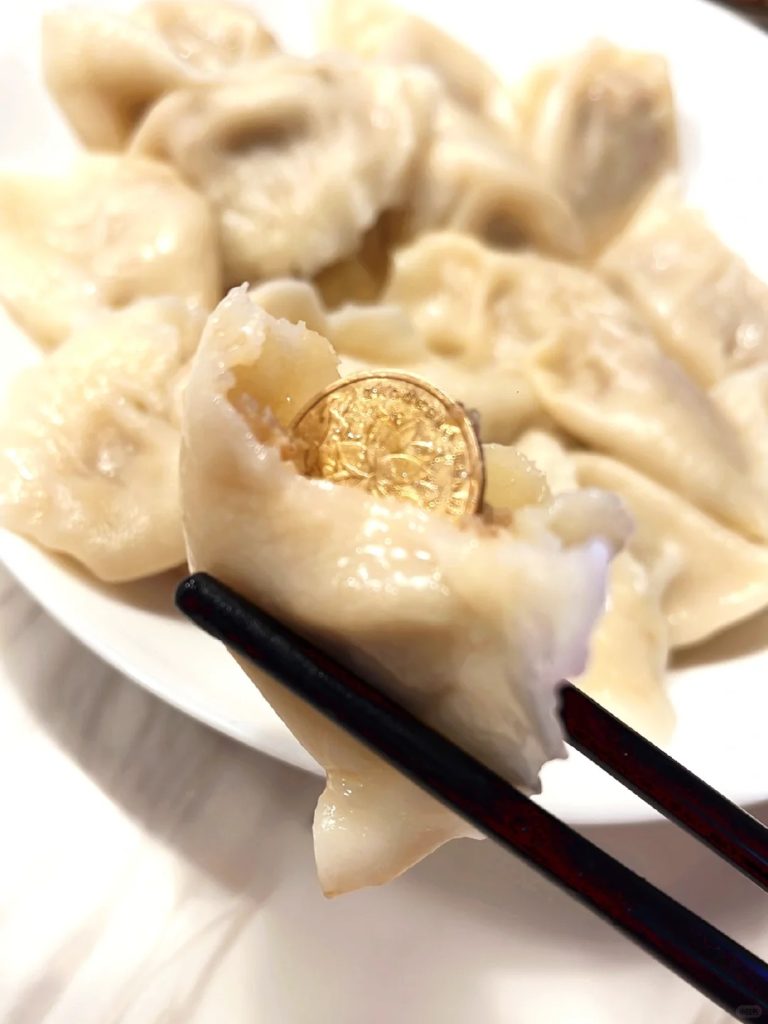
Take dumplings, for example. During Spring Festival, families hide a coin inside one or two dumplings before cooking. The lucky person who finds the coin in their bite is believed to have good fortune in the coming year. Everyone at the table watches and hopes. When someone bites down carefully and pulls out a shiny coin, the whole family cheers. This tradition turns a simple meal into an exciting game. It also teaches you vocabulary related to luck, discovery, and celebration—words that textbooks rarely cover.
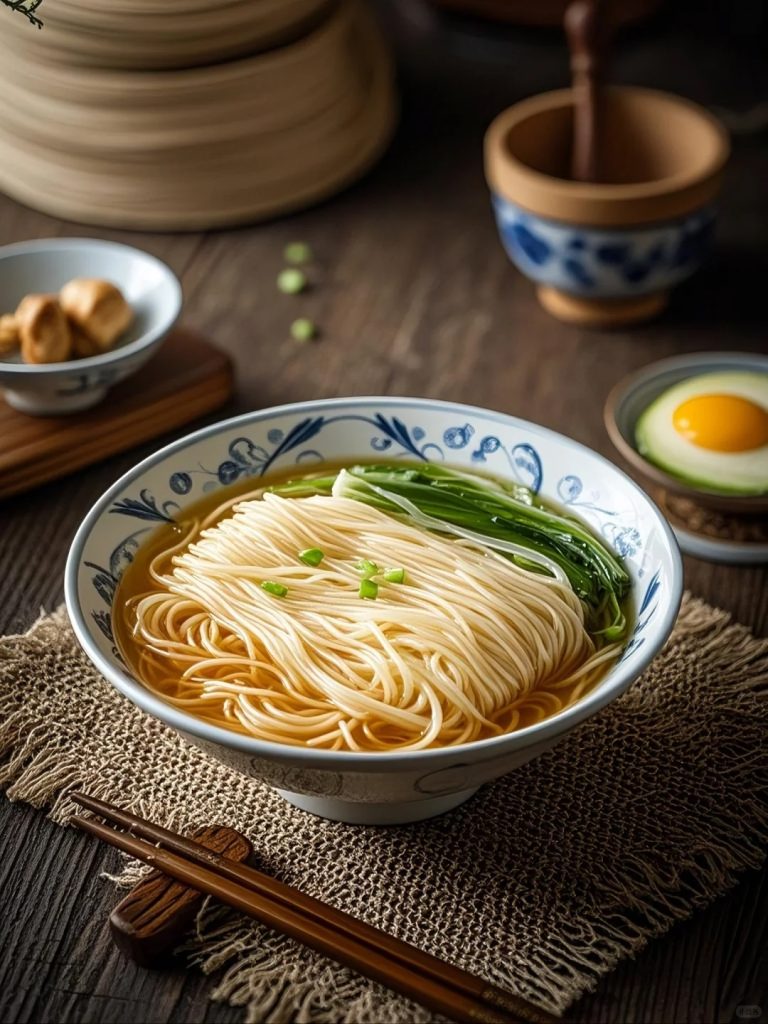
Noodles are another example. Long noodles represent long life. During birthday celebrations, eating a bowl of noodles without breaking them is considered good luck. The word for noodle is the same as the word for “face” in some contexts, adding another layer of cultural connection.
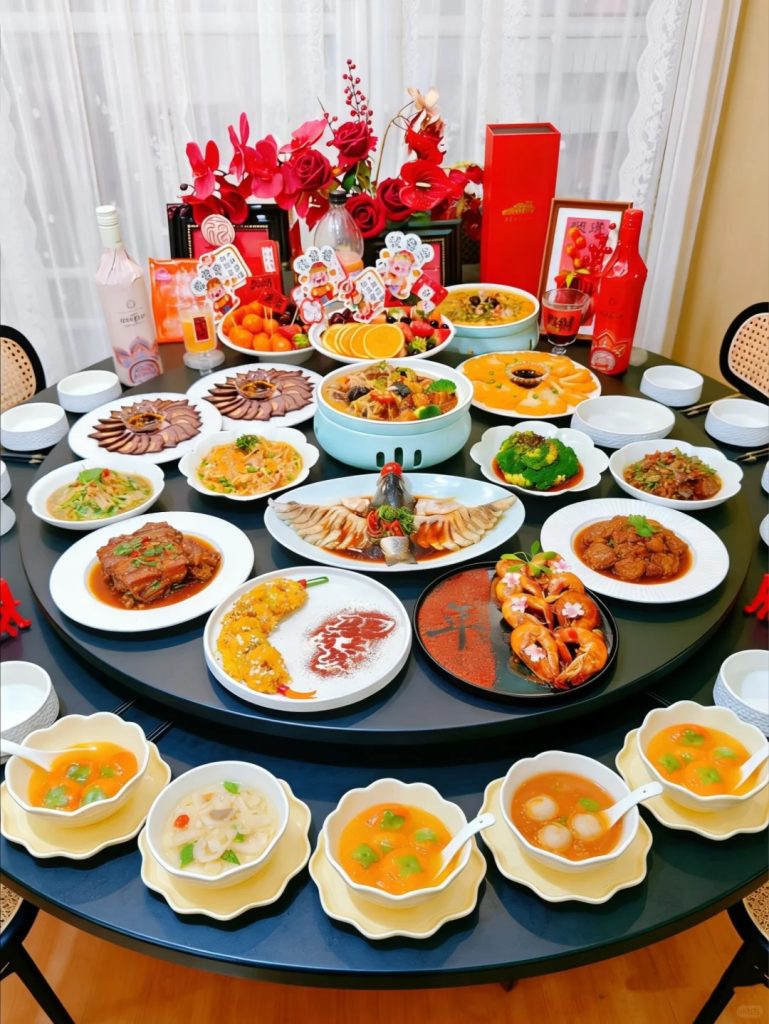
Even the way food is served carries meaning. Sharing dishes from a central table represents community and family. Rice is the center of most meals, and the word for rice is also the word for meal itself, showing how fundamental this grain is to Chinese culture.
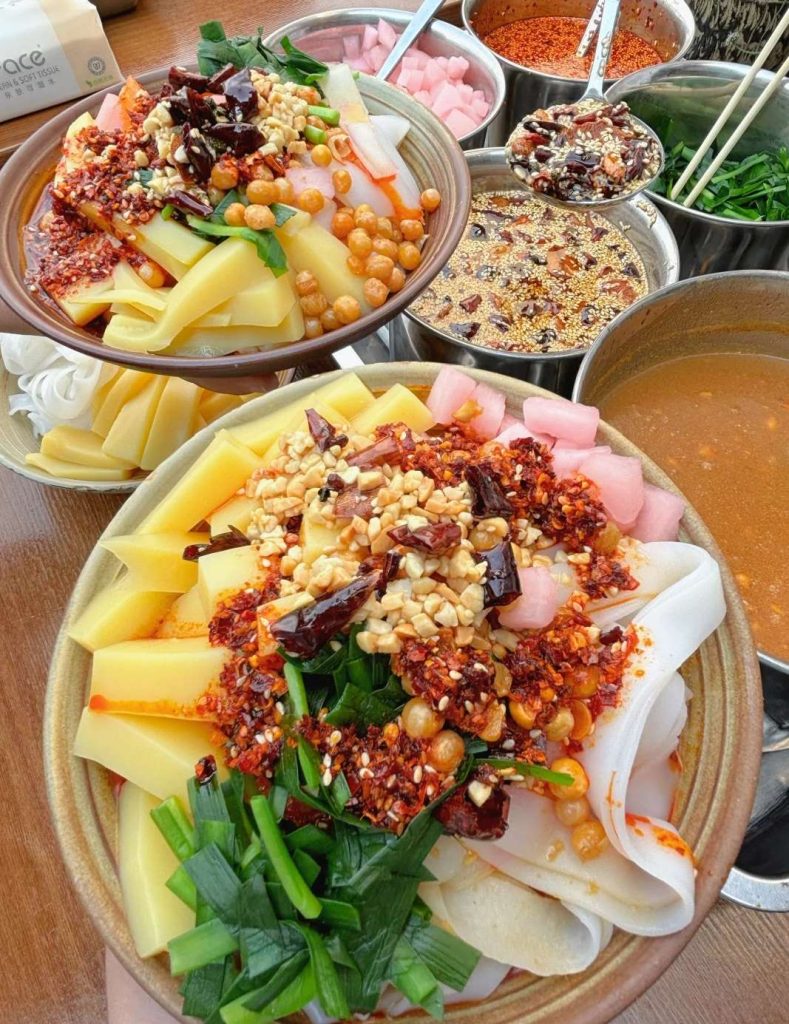
China’s regional cuisines tell stories about geography, climate, and history. The spicy food of Sichuan comes from a need to preserve food in humid weather and to cool the body. The light, fresh flavors of Cantonese cuisine reflect the region’s access to seafood and its emphasis on natural taste. The wheat-based foods of the north, like dumplings and noodles, contrast with the rice-based foods of the south.
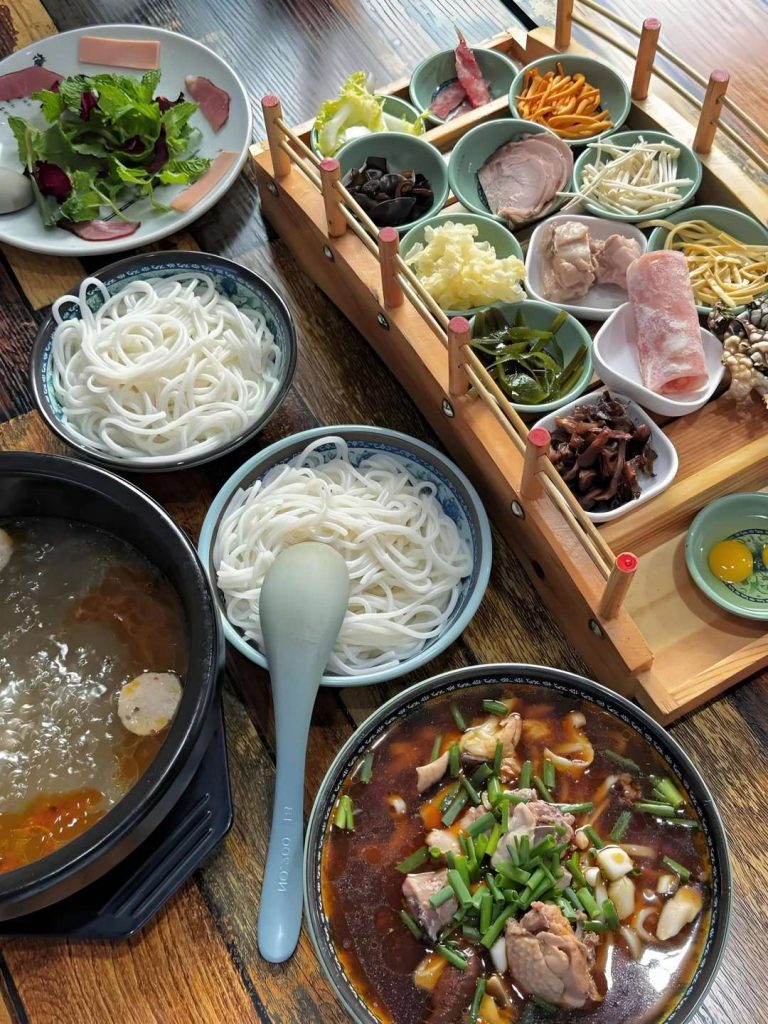
Yunnan, where Kunming is located, offers something completely different. The province is home to more than 20 ethnic minority groups, each with its own food traditions. Crossing bridge noodles come from a romantic legend about a wife bringing lunch to her husband across a bridge. The dish involves raw ingredients cooked at your table in a hot pot of broth—a theatrical experience that makes it memorable.
Kunming is an ideal place to practice food-based language learning. Yunnan cuisine is diverse, fresh, and less spicy than Sichuan food. The city has night markets, small noodle shops, and family-owned restaurants where people have time to talk.
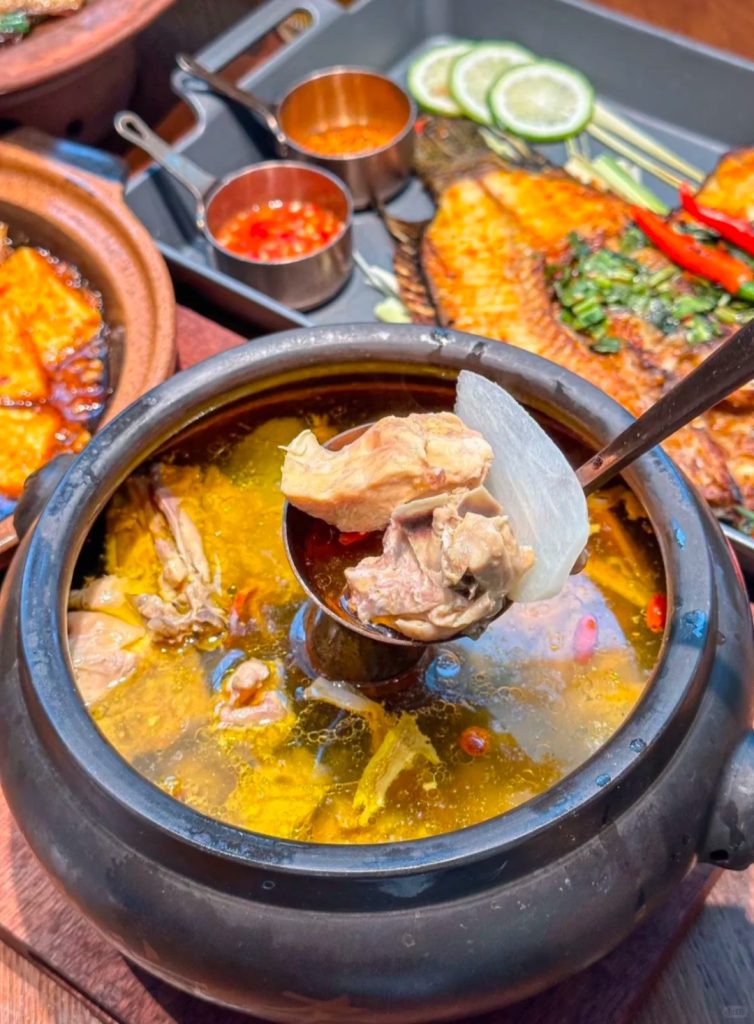
Start with crossing bridge noodles(过桥米线guò qiáo mǐ xiàn). The dish comes with many small plates, giving you plenty of chances to ask what each item is. Try steam pot chicken(汽锅鸡qì guō jī),where the cooking vessel itself is part of the experience. Sample grilled skewers from street vendors. Taste fresh rice noodles, a Yunnan specialty.
Visit the local markets. Point at unfamiliar vegetables or herbs. Ask the vendor how to eat something. Every answer teaches you new words and gives you listening practice. The vendors are usually patient with learners, and many enjoy teaching a foreigner about their food.
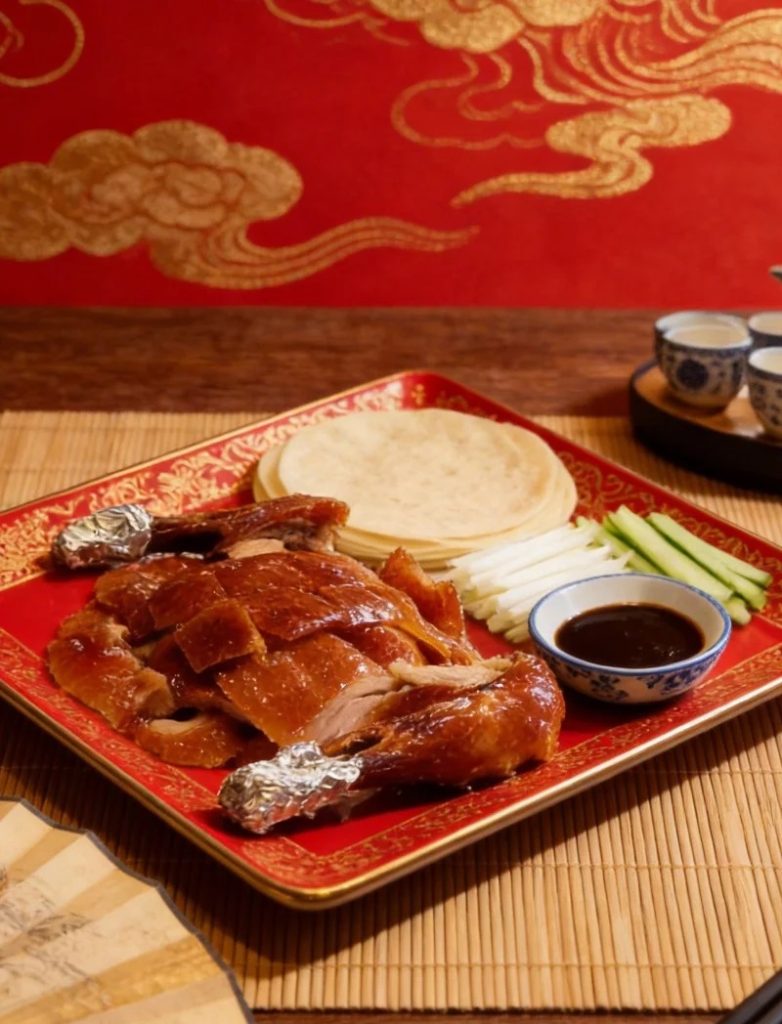
Once you’re comfortable ordering basics, it’s time to learn the names of China’s most famous dishes. Knowing these will not only impress your Chinese friends but also help you navigate menus beyond the “point and hope” stage.
Here are a few iconic dishes you’ll encounter across China:
A national treasure. Crispy skin, tender meat, wrapped in thin pancakes with cucumber, spring onion, and sweet bean sauce. The word “烤” (kǎo – roast) is useful for many other roasted meats.
Diced chicken with peanuts, vegetables, and dried chilies. Sweet, sour, and slightly spicy. The name comes from a Qing dynasty official’s title (“Gong Bao”). Ordering this teaches you how to name dishes by their cooking style + main ingredient.
As mentioned earlier, these are essential. But did you know there are dozens of fillings? Common ones: 猪肉白菜 (pork & cabbage), 韭菜鸡蛋 (chive & egg). Learning fillings expands your vegetable and meat vocabulary fast.
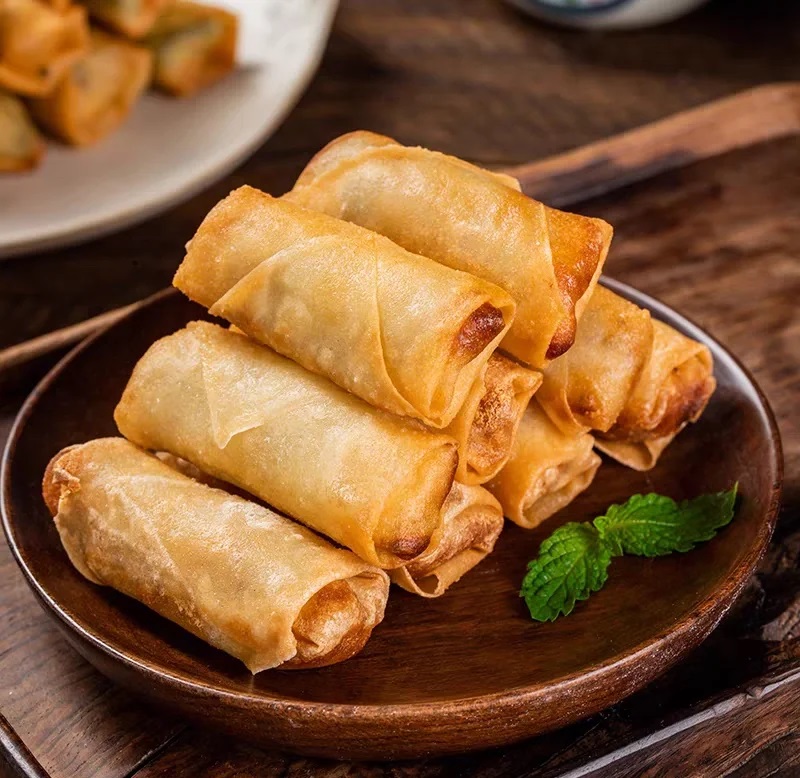
Crispy rolls filled with vegetables or meat. Eaten during Spring Festival (hence the name). Great street food – point and say “两个春卷” (two spring rolls).
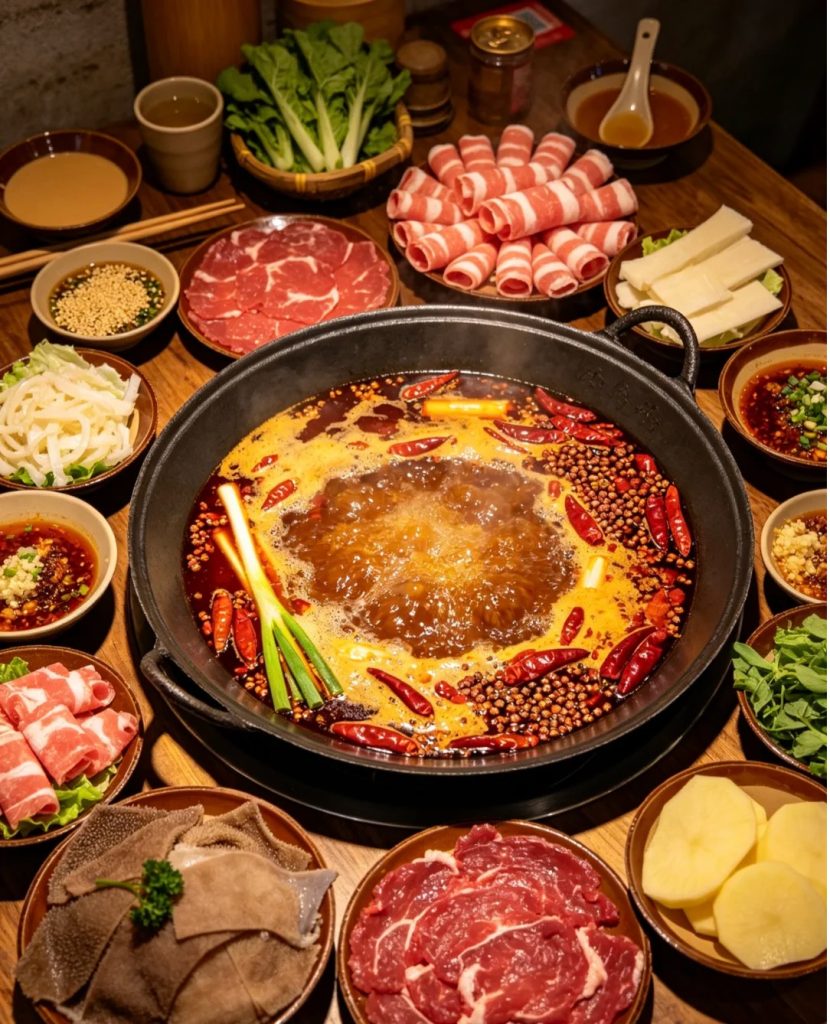
Not just one dish, but an entire dining event. You cook raw ingredients in a bubbling pot of broth at your table. Key vocabulary: 汤底 (soup base – spicy or mild), 蘸料 (dipping sauce), 涮 (shuàn – to swish meat in the broth). Hot pot restaurants are noisy and fun – perfect for practicing “我要这个” and “再来一盘” (another plate please).
Why learn these dish names?
Because Chinese menus rarely have pictures. Knowing 5–10 dish names gives you instant access to 80% of restaurant menus. Plus, when a local asks “你吃过宫保鸡丁吗?” (Have you tried Kung Pao Chicken?), you can answer confidently.
Learning food vocabulary on your own is possible, but progress is much faster with consistent classroom instruction. At Sojourn Abroad, you learn standard Mandarin in small groups of no more than 10 students. With 15 classes per week, you get daily exposure without feeling overwhelmed.
You can start on any Monday, with durations from 2 to 52 weeks. This flexibility means you can plan your language journey around your own schedule. Tuition is as low as USD $230 per week, which leaves room in your budget for eating out every day. The school also provides the official paperwork needed for a long-term student visa, so you can stay long enough to see real progress.
Throughout the year, teachers organize activities that connect language to real life. You might make dumplings during Spring Festival, learning the cultural significance of the shapes and fillings while practicing the related vocabulary. Teachers also lead trips to local restaurants and markets where you practice ordering and asking questions in real situations.
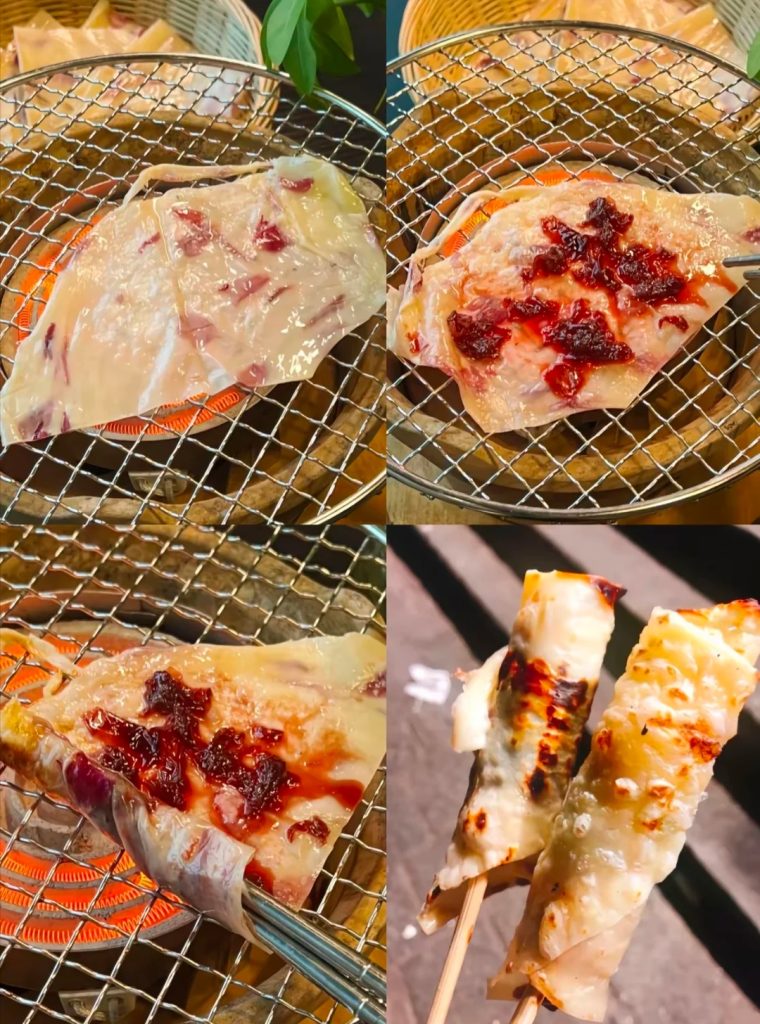
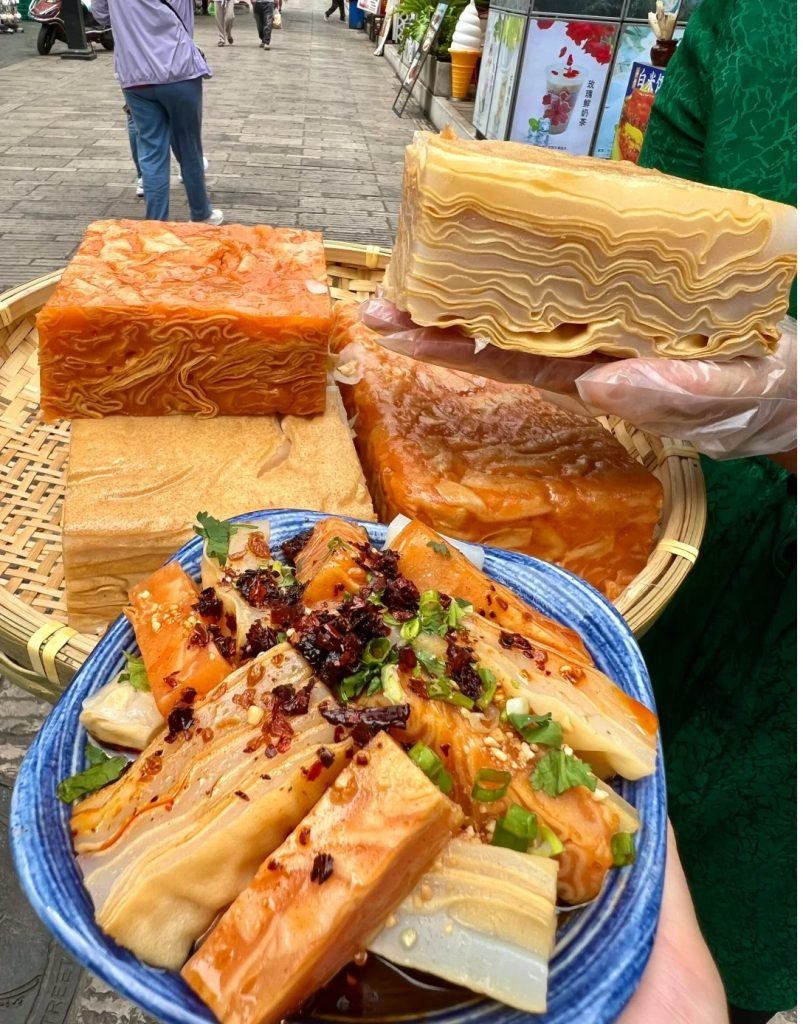
When you have a long weekend, the rest of Yunnan is open to you. Dali is two hours away by high-speed train. There, you can try Bai minority dishes like fried cheese made from goat’s milk, or fermented bean curd that has a unique, acquired taste. The Bai people have their own language and food traditions, adding another dimension to your cultural learning.
Lijiang offers Tibetan-influenced foods and a lively night market. The Old Town of Lijiang, a UNESCO World Heritage site, has canals running alongside stone streets lined with restaurants serving local specialties. Each meal becomes a chance to learn new vocabulary and experience a different side of Yunnan’s food culture.
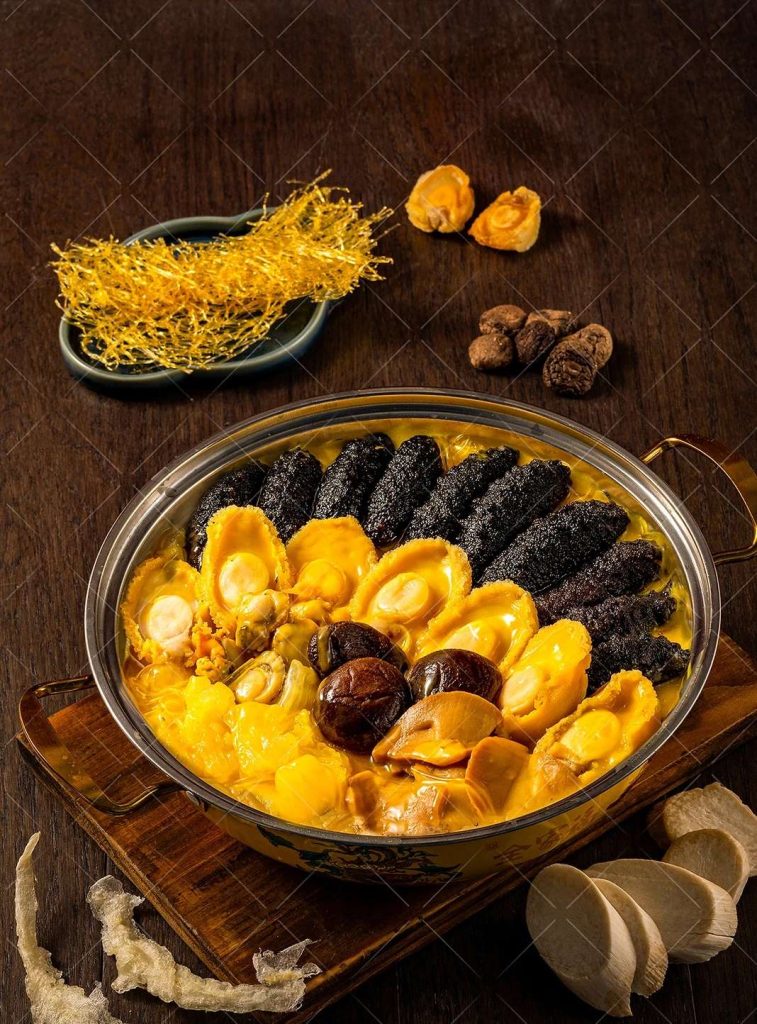
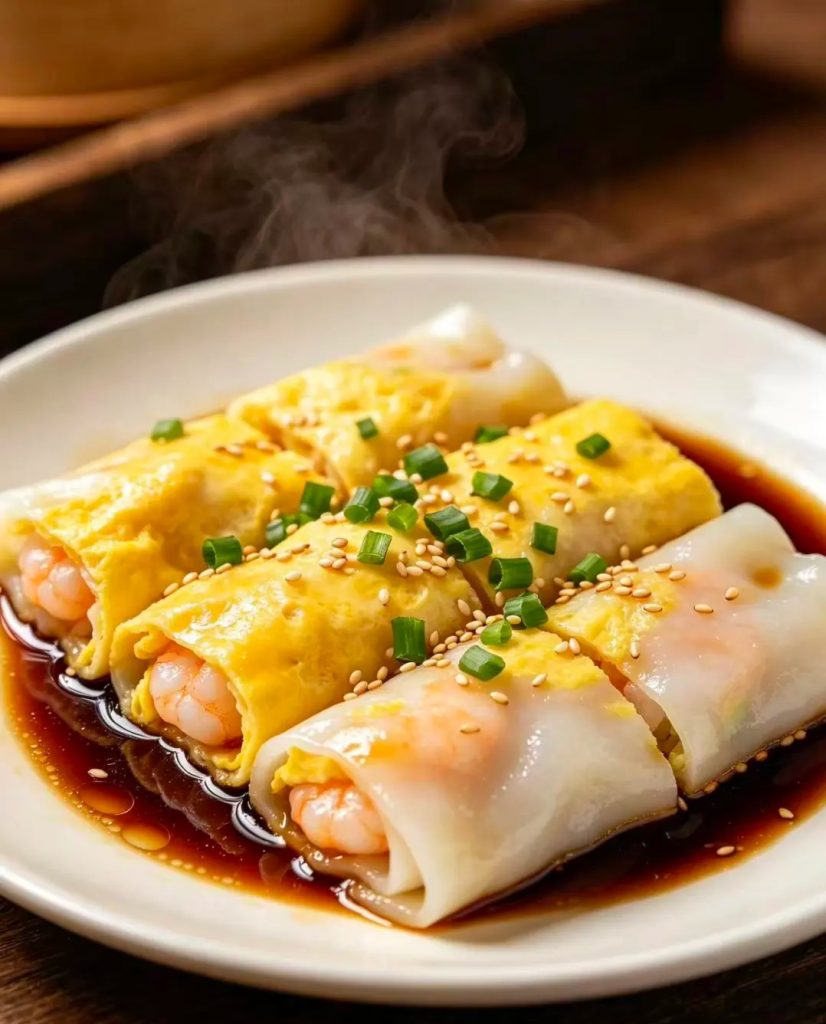
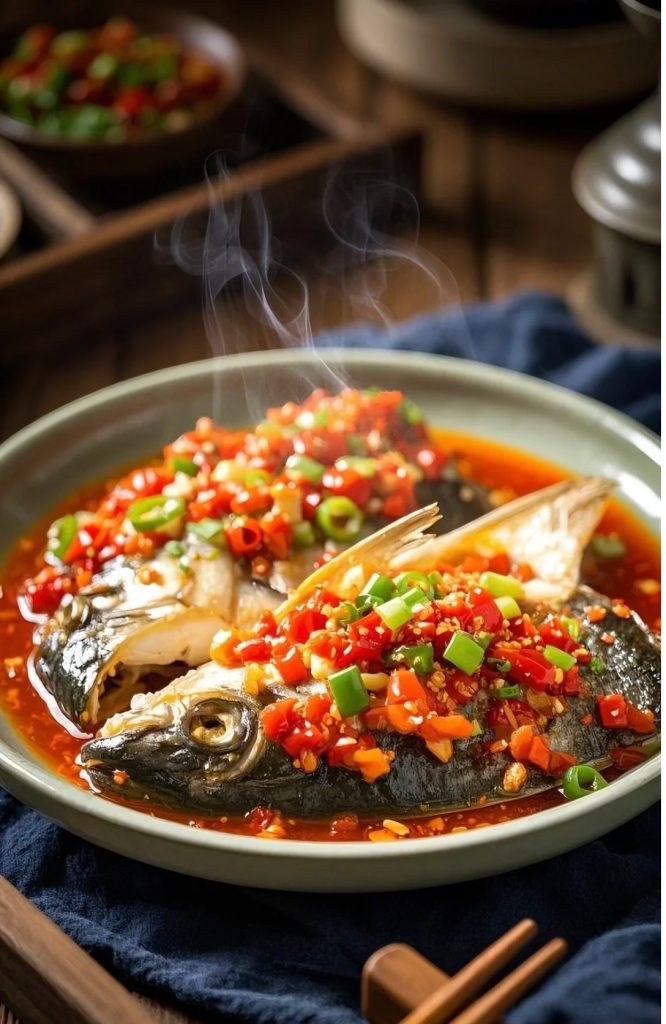
Beyond Yunnan’s borders, every corner of China has its own signature snacks and street foods. The list below includes just one or two specialties from each province, region, or major city. This is barely the tip of the iceberg. But it gives you a sense of just how limitless Chinese food really is.
Beijing – 豆汁 (dòu zhī), 焦圈 (jiāo quān)
Tianjin – 煎饼果子 (jiān bǐng guǒ zi), 麻花 (má huā)
Shanghai – 生煎包 (shēng jiān bāo), 小笼包 (xiǎo lóng bāo)
Chongqing – 小面 (xiǎo miàn), 酸辣粉 (suān là fěn)
Heilongjiang – 锅包肉 (guō bāo ròu), 烤冷面 (kǎo lěng miàn)
Jilin – 延吉冷面 (yán jí lěng miàn), 鸡汤豆腐串 (jī tāng dòu fu chuàn)
Liaoning – 沈阳鸡架 (shěn yáng jī jià), 海鲜焖子 (hǎi xiān mèn zi)
Hebei – 驴肉火烧 (lǘ ròu huǒ shao), 棋子烧饼 (qí zi shāo bǐng)
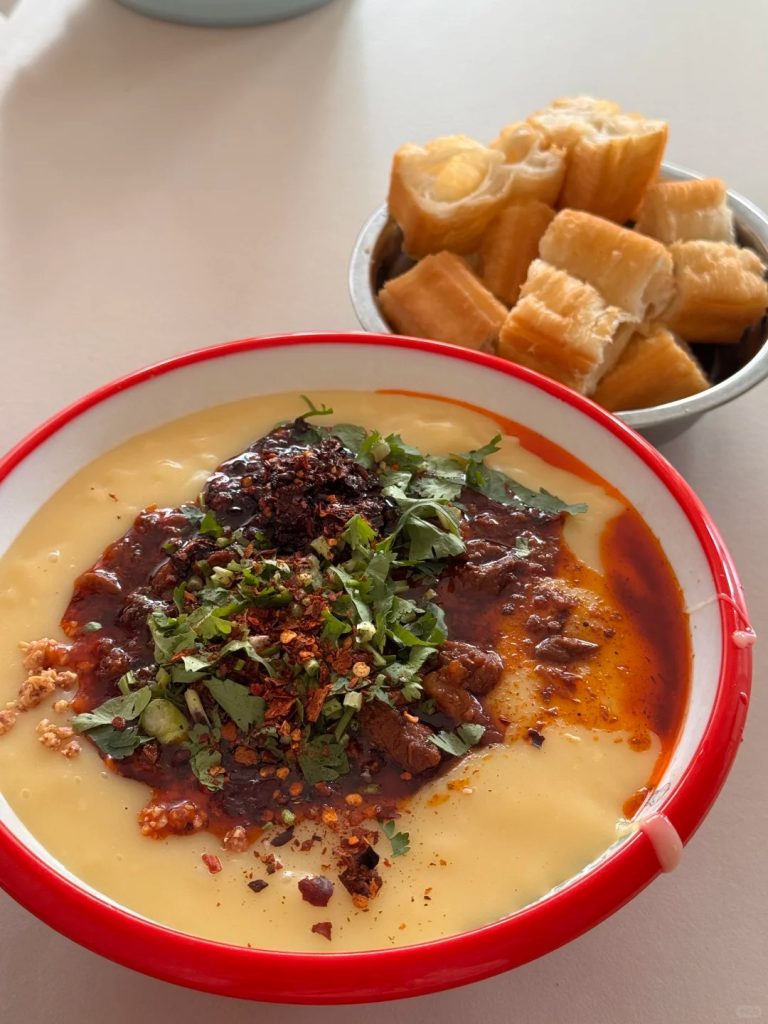
Henan – 胡辣汤 (hú là tāng), 烩面 (huì miàn)
Shandong – 煎饼卷大葱 (jiān bǐng juǎn dà cōng), 把子肉 (bǎ zi ròu)
Shanxi – 刀削面 (dāo xiāo miàn), 碗托 (wǎn tuō)
Shaanxi – 肉夹馍 (ròu jiā mó), 凉皮 (liáng pí)
Gansu – 兰州牛肉面 (lán zhōu niú ròu miàn), 甜醅子 (tián pēi zi)
Qinghai – 酿皮 (ràng pí), 狗浇尿 (gǒu jiāo niào)
Sichuan – 担担面 (dàn dàn miàn), 兔头 (tù tóu)
Guizhou – 酸汤鱼 (suān tāng yú), 肠旺面 (cháng wàng miàn)
Hunan – 臭豆腐 (chòu dòu fu), 剁椒鱼头 (duò jiāo yú tóu)
Hubei – 热干面 (rè gān miàn), 三鲜豆皮 (sān xiān dòu pí)
Jiangxi – 南昌拌粉 (nán chāng bàn fěn), 瓦罐汤 (wǎ guàn tāng)
Anhui – 毛豆腐 (máo dòu fu), 臭鳜鱼 (chòu guì yú)
Zhejiang – 东坡肉 (dōng pō ròu), 片儿川 (piàn ér chuān)
Jiangsu – 盐水鸭 (yán shuǐ yā), 蟹黄汤包 (xiè huáng tāng bāo)
Fujian – 沙县小吃 (shā xiàn xiǎo chī), 佛跳墙 (fó tiào qiáng)
Guangdong – 肠粉 (cháng fěn), 虾饺 (xiā jiǎo)
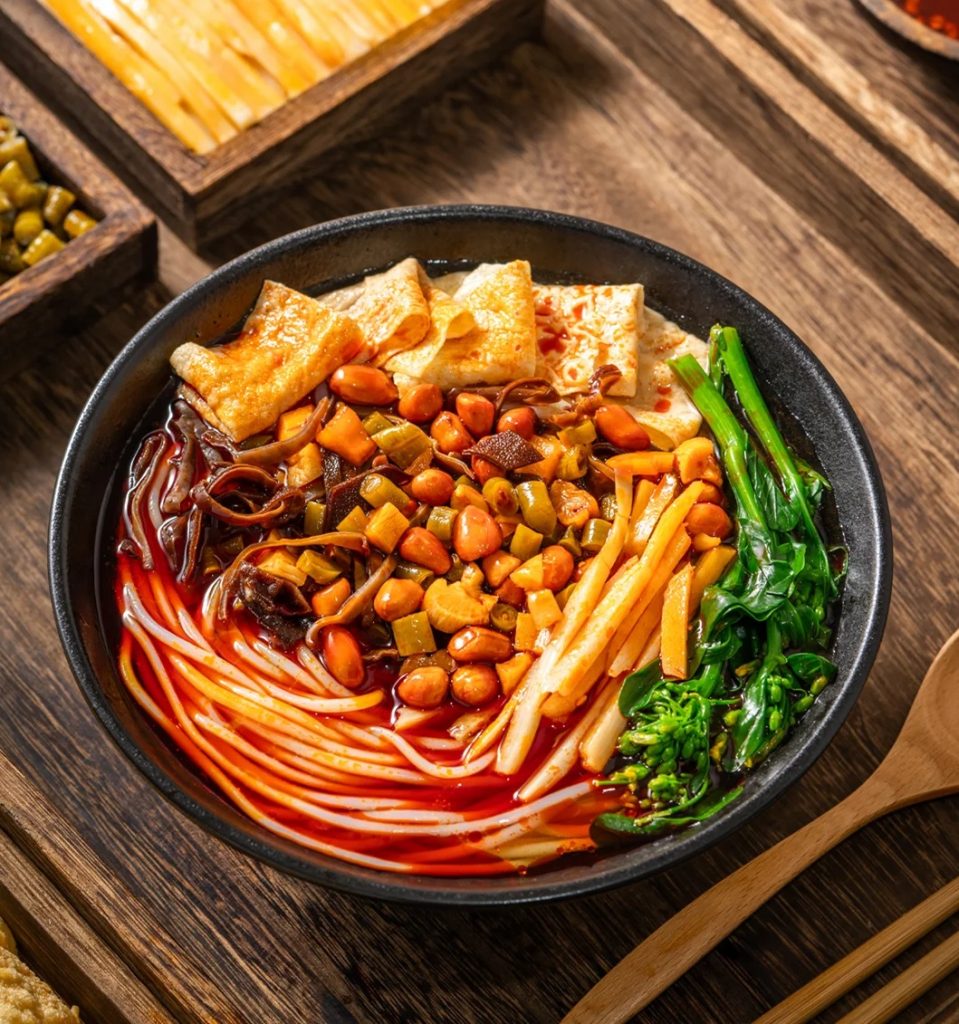
Guangxi – 螺蛳粉 (luó sī fěn), 桂林米粉 (guì lín mǐ fěn)
Hainan – 文昌鸡 (wén chāng jī), 清补凉 (qīng bǔ liáng)
Yunnan – (already covered: 过桥米线, 汽锅鸡, etc.)
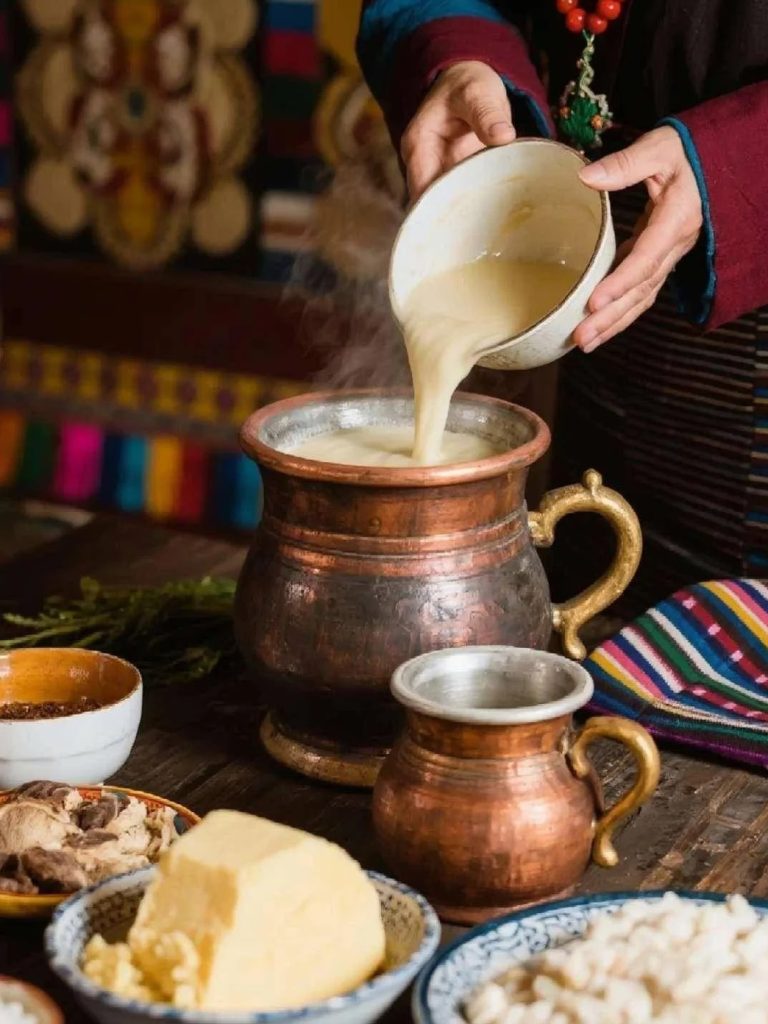
Tibet – 糌粑 (zān bā), 酥油茶 (sū yóu chá)
Xinjiang – 烤羊肉串 (kǎo yáng ròu chuàn), 馕 (náng)
Ningxia – 手抓羊肉 (shǒu zhuā yáng ròu), 羊杂碎 (yáng zá suì)
Inner Mongolia – 烤全羊 (kǎo quán yáng), 奶茶 (nǎi chá)
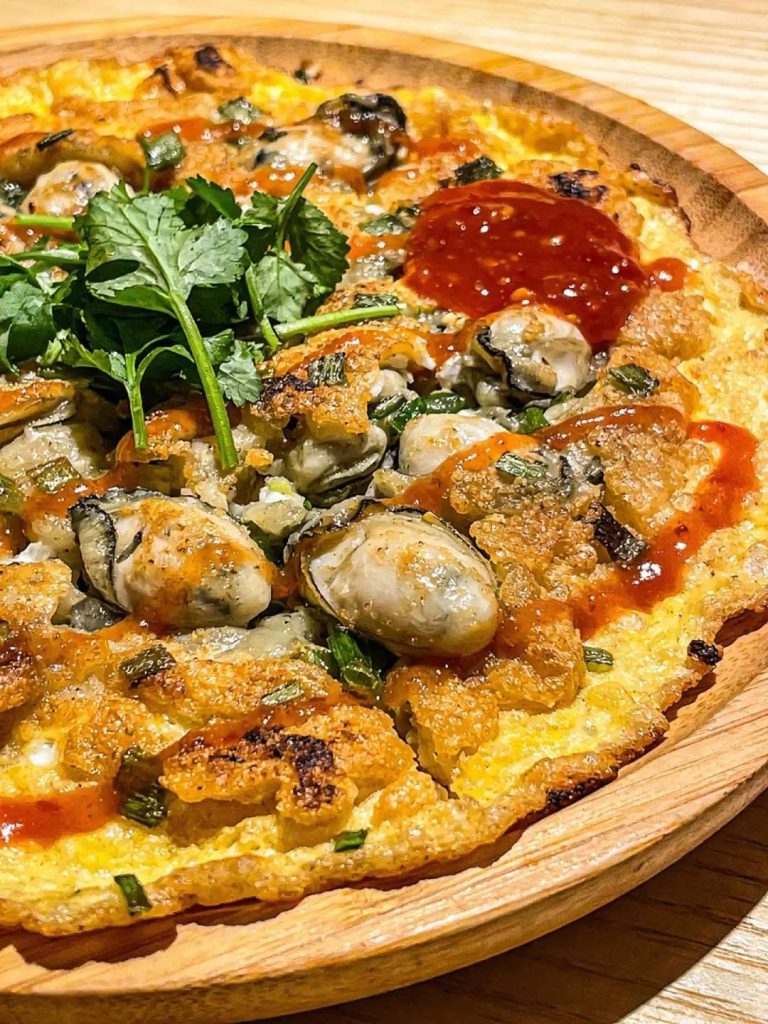
Taiwan – 蚵仔煎 (é ā jiān), 卤肉饭 (lǔ ròu fàn)
Hong Kong – 鸡蛋仔 (jī dàn zǎi), 菠萝包 (bō luó bāo)
Macau – 葡式蛋挞 (pú shì dàn tà), 猪扒包 (zhū pá bāo)
Each name on this list opens a door to a new city, a new cooking method, a new conversation. You could spend years traveling and still not taste everything. That is the beauty of learning Chinese through food. There is always another dish to discover, another word to learn, another story to share.
The beauty of learning Mandarin through food is the natural progression it creates. Early on, you point at what you want. Then you learn to say the name of the dish. Later, you can ask questions about ingredients. Eventually, you find yourself chatting with the vendor about their cooking methods or recommending a dish to a fellow diner.
This progression happens without you even noticing. Every meal is practice. Every market visit is a lesson. Food provides a low-pressure environment where mistakes are expected and usually forgiven with a smile.
Ordering food in a new language is a small victory every day. The first time you successfully say “no cilantro” or ask for less spice—those moments add up. They prove you are making progress.
Chinese food culture is built on sharing and conversation. Every meal is practice. Every market stall is a classroom. Learning food vocabulary gives you a reason to show up and connect with the people around you.
Sojourn Abroad in Kunming gives you the foundation: standard Mandarin, 15 classes per week, small groups of 10 or fewer, tuition from USD $230/week, start any Monday, choose 2–52 weeks, with long-term visa support. The rest is up to you and Kunming’s incredible food scene. One meal at a time, you will get there.
By Karina
Course Consultant at Sojourn Abroad
Helping you navigate your study abroad journey.
Thank you so much for contacting Sojourn Abroad! We can’t wait to welcome you in China!