


We will get back to you within 1 working day!
Thank you so much for contacting Sojourn Abroad! We can’t wait to welcome you in China!
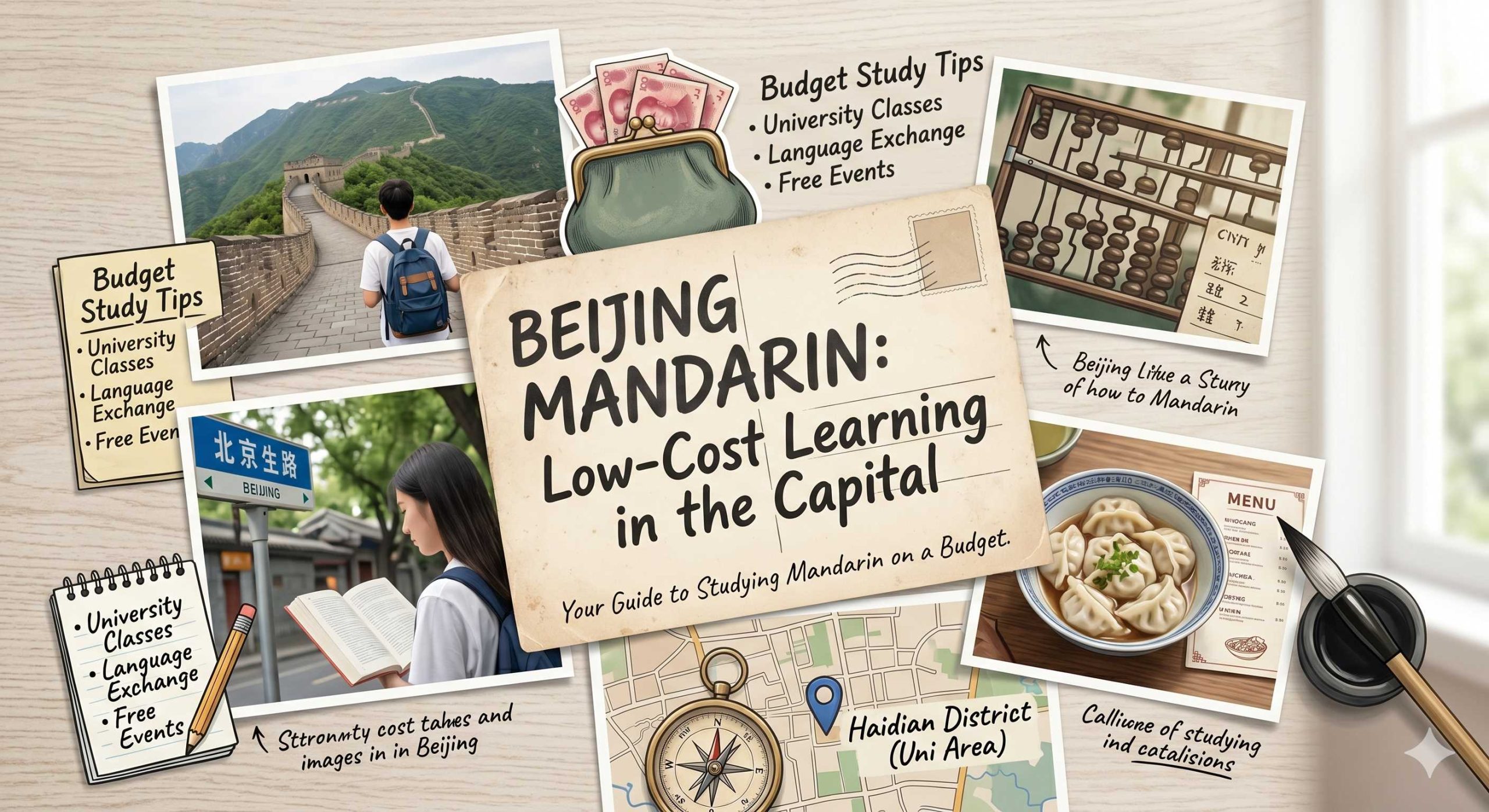
When people think of studying Mandarin in China, Beijing often comes to mind first. The capital city, rich in history and culture, seems like the perfect place to immerse yourself in the language. But one question stops many potential learners: Is Beijing expensive?
The short answer is: it depends on your choices. Beijing can be as affordable or as costly as you make it. And for those willing to plan carefully, studying Mandarin in Beijing on a budget is not only possible but also a rewarding experience.
Let’s look at what you will actually spend money on as a student in Beijing.
Accommodation is usually the biggest monthly expense. In central areas, a private apartment might cost USD 800–1,500 per month. However, many students choose shared apartments or live slightly farther from the city center, where rents drop to USD 300–600 per month. Some budget-friendly options bring costs even lower, which we will discuss later.
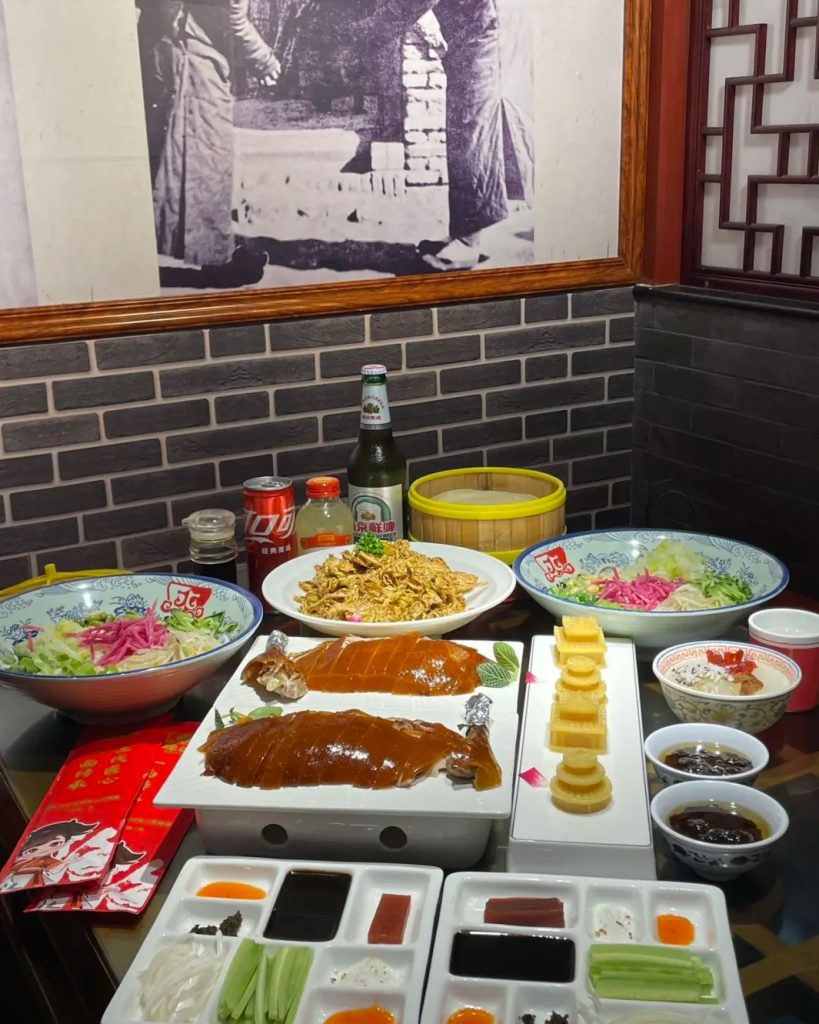
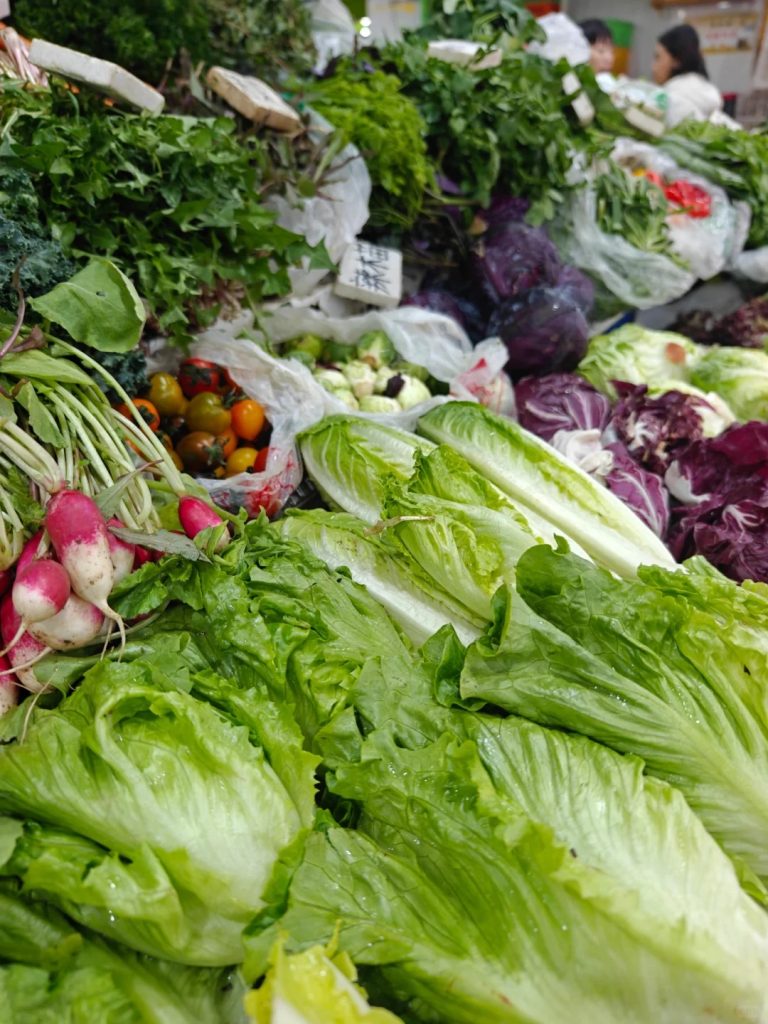
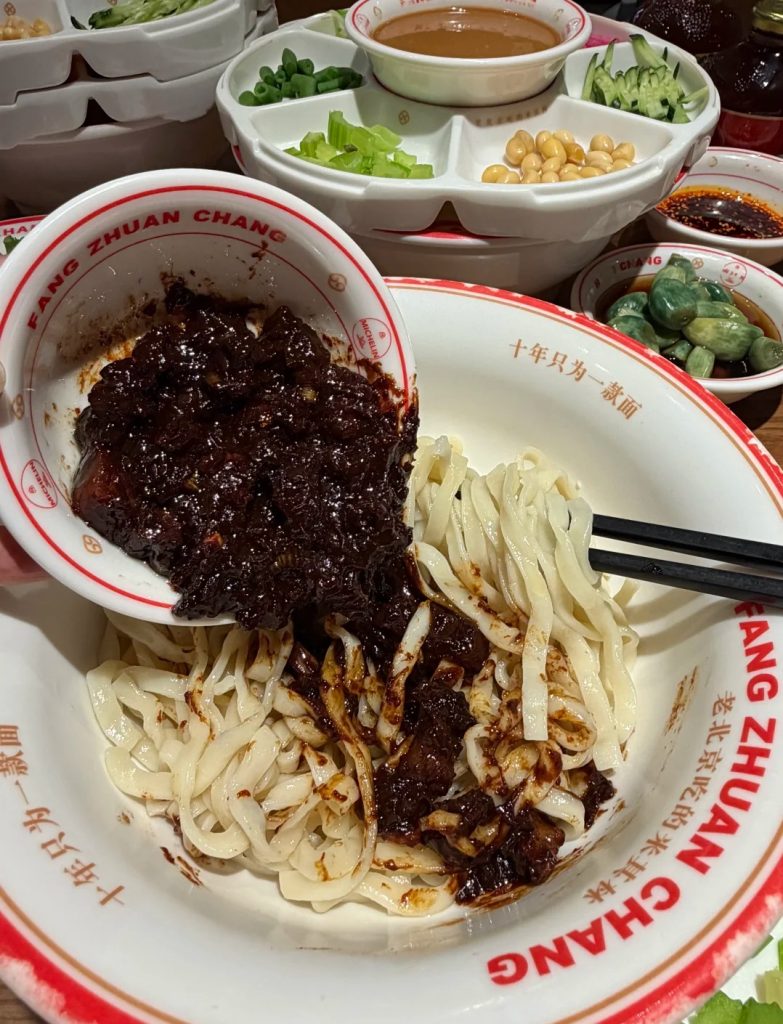
Food in Beijing offers great value. Street food and small local restaurants serve filling meals for USD 2–4. Even nicer sit-down restaurants rarely exceed USD 8–10 per person for a satisfying dinner. Cooking at home? Local markets sell fresh vegetables, tofu, and noodles for very little. A monthly food budget of USD 200–300 is reasonable for one person.
Transportation is inexpensive. The Beijing subway system reaches almost everywhere, with rides costing around USD 0.50–0.70 per trip. Buses are even cheaper. Monthly transportation costs typically stay under USD 30.
Entertainment and daily needs vary by choice. Visiting the Forbidden City or the Great Wall costs modest entrance fees. Parks, temples, and museums often charge USD 3–10. A monthly phone plan with plenty of data runs about USD 10–15.
So, a modest monthly budget in Beijing might look like this: accommodation USD 400–600, food USD 200–250, transport USD 25–30, other expenses USD 100–150. That totals roughly USD 725–1,030 per month. Compared to London, New York, or Sydney, Beijing remains noticeably more affordable.
While daily living costs in Beijing are manageable, tuition is often the most significant investment in your language journey. At Sojourn Abroad, we believe that quality Mandarin education should not come with an unreasonable price tag. That is why our programs are priced as low as USD $230 per week — a rate that reflects our commitment to making immersive learning accessible.
For that weekly tuition, you receive 15 classes per week in a small group setting of no more than 10 students. This ensures you get personalized attention from your teacher while still benefiting from peer interaction. You also gain access to guided cultural activities, including visits to Beijing’s famous landmarks and opportunities to taste local specialty snacks. When you consider what is included — structured instruction, cultural immersion, and a clear path to progress — the value becomes clear..
For those looking to study in Beijing without overspending, some programs are designed specifically with budget in mind. One example is Sojourn Abroad, where total weekly costs for tuition and accommodation start as low as USD 230 per week. That price includes 15 small-group Chinese classes each week, with no more than 10 students per class. Small groups mean more speaking practice and individual attention from teachers.
Sojourn Abroad offers several accommodation choices to fit different budgets and program lengths:
With durations from 2 to 52 weeks, Sojourn Abroad also assists with student visa applications for long-term study. Having a proper student visa gives you legal peace of mind and access to certain student benefits while in China.
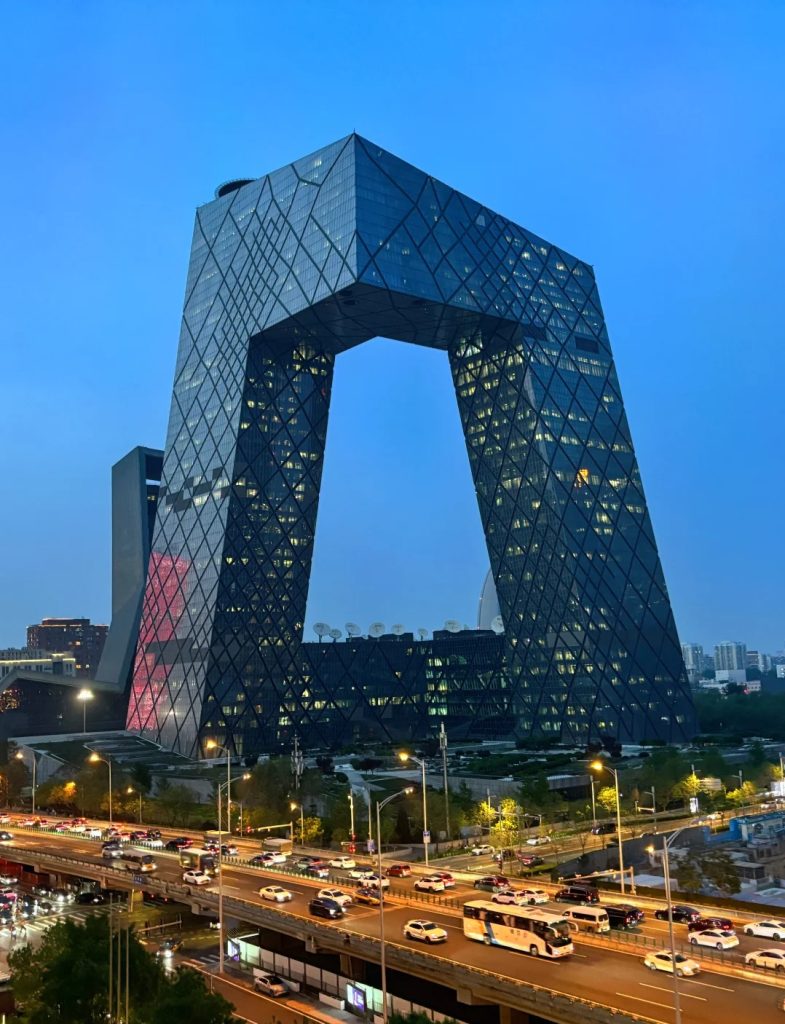
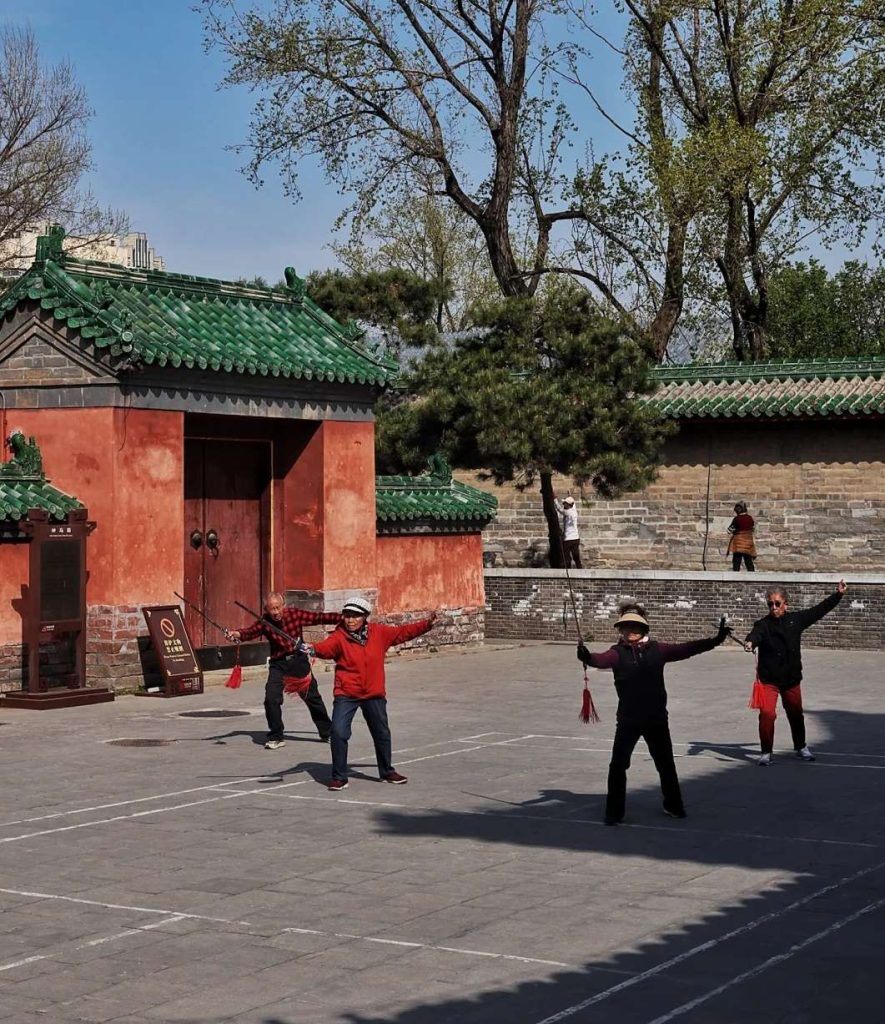
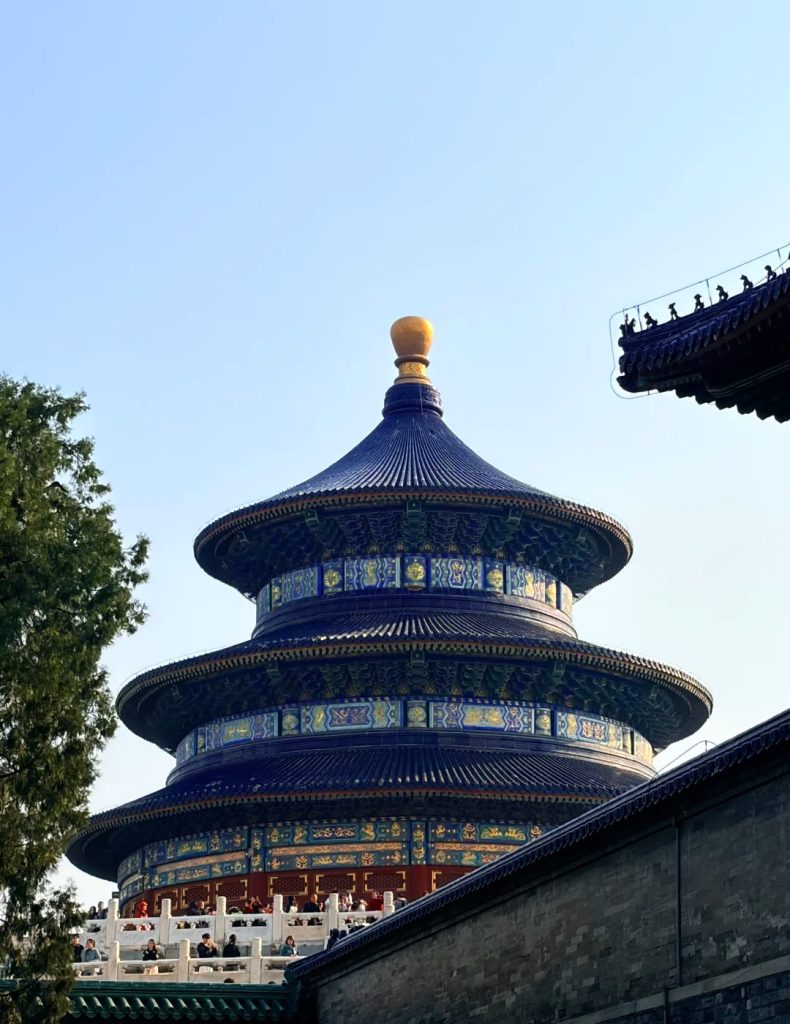
Living affordably in Beijing does not mean missing out on great experiences. Many of Beijing’s best offerings are free or low-cost. Morning tai chi in the Temple of Heaven Park costs nothing to watch or join. The hutongs — Beijing’s historic alleyways — are free to explore and offer endless photography opportunities. University campuses welcome visitors to walk their grounds and use some facilities. Additionally, Beijing’s major attractions have some of the lowest ticket prices in the country. The Forbidden City, the Summer Palace, and the Great Wall all charge entrance fees that are very reasonable, especially when compared to similar landmarks elsewhere in the world.
The real value of studying in Beijing comes from immersion. Every sign, conversation, and transaction becomes a learning moment. Even ordering noodles or asking for directions turns into a practical lesson. That level of exposure is hard to replicate outside of China.
If you decide to study Mandarin in Beijing, here are a few practical suggestions:
So, is Beijing expensive? For daily living, Beijing offers surprising affordability. With thoughtful planning, a budget of USD 900–1,200 per month covers comfortable living, including a quality Mandarin course.
Programs like Sojourn Abroad demonstrate that quality language education and budget-friendly living can coexist. Whether you stay for 2 weeks or a full year, Beijing welcomes learners who are serious about Mandarin but careful with their money.
The city’s rich history, friendly people, and endless learning opportunities are available to everyone — not just those with large budgets. With the right program and smart daily choices, your dream of studying Mandarin in Beijing can become a reality without breaking the bank.
By Karina
Course Consultant at Sojourn Abroad
Helping you navigate your study abroad journey.
Thank you so much for contacting Sojourn Abroad! We can’t wait to welcome you in China!