Hello, dear friend! Are you ready to embark on a new journey in China? Welcome to China. The first thing you definitely need is a cozy little home. Now, let’s take a look at this guide together.
Renting a house
Phase One: Preparations Before Renting a House (1-2 Months Before Arrival)
I. List of Required Documents
Passport: Valid for more than 6 months
Valid visa: Work (Z), study (X), family reunion (Q), private affairs (S), etc.
Work + student certificate :(required in some cities)
Chinese mobile phone number: Apply immediately upon arrival in China, needed for all registrations
Bank account: It is recommended to open a Chinese bank card for convenient payment
* The teachers of Sojourn Abroad will help you with the application process together. 🙂
II. Budget and Planning
Cityscape
In first-tier cities (Beijing, Shanghai, Guangzhou, and Shenzhen):
– Shared single room: 3,000 – 6,000 yuan per month
– One-bedroom apartment: 6,000 – 10,000 yuan per month
– Two-bedroom apartment: 8,000 – 15,000 yuan per month
New first-tier cities (such as Chengdu and Hangzhou):
– Shared single room: 1,500 – 3,500 yuan per month
– One-bedroom, one-living room: 3,000 – 5,000 yuan per month
At this stage, it is necessary to determine the requirements.
Clarify the budget, type of house, location, commuting time, etc. For example, my budget is 1,500 yuan for a whole one-bedroom apartment, near Shanghai Jiao Tong University, with a commuting time of less than 15 minutes, and no old, dilapidated or small houses.
The most suitable rental paths for foreigners:
First 1-3 months: Serviced apartments or hotel apartments to solve registration issues.
3-6 months: Find a place through a formal agency, pay the agency fee but save effort. *Sojourn Abroad offers a one-stop rental service for a one-time fee of 600 US dollars, including showing you around, agency fees, translating the contract, and communicating with the landlord. If the monthly rent of the rental property does not exceed 600. If it does, the service fee is one month’s rent.🙂
Long-term residence: After getting familiar, you can find direct rentals through foreigner communities to save costs.
💡 Practical tips
Consider serviced apartments: For those new to China, choosing a serviced apartment for 1-3 months can facilitate the transition.
Share a place with a roommate: Reduce costs by sharing a place and a Chinese roommate can help you adapt to life.
Seasonal factors: Avoid the peak rental periods after the Spring Festival and during the graduation season (June to August).
Language preparation: Download translation apps (such as Papago or Youdao Translator) to assist with communication.
III. The Golden Rule of Locatin SelectionI.
Subway line: It is best to be within a 10-minute walk from the subway station.
Living circle: Check the surrounding supermarkets and restaurants. Pay attention to the distance from the school, large shopping malls and the hospital.
Foreign-friendly communities: Pudong Lianyang in Shanghai, Shunyi in Beijing, Zhujiang New Town in Guangzhou, etc.
Phase Two: Practical House Hunting
I. Get a sense of the prices first to have a clear idea in your mind about what kind of house you can rent within your budget.
II. Search for properties online.
Detailed Explanation of Eight House Hunting Channels
A. Professional Rental Platforms
Beike/Lianjia: The most authentic listings, with bilingual advisors
Ziroom: Uniform decoration, maintenance included, suitable for newcomers
5i5j: Negotiable agency fee (usually 50% – 100% of one month’s rent)
B. Foreigner-specific Platform
Wellcee: No agency fees, many direct rentals from landlords
SmartShanghai (Specializing in Shanghai)
The Beijinger (Specializing in Beijing)
C. Social channels
WeChat: Search for “City Name + Foreigners’ Rental Group”
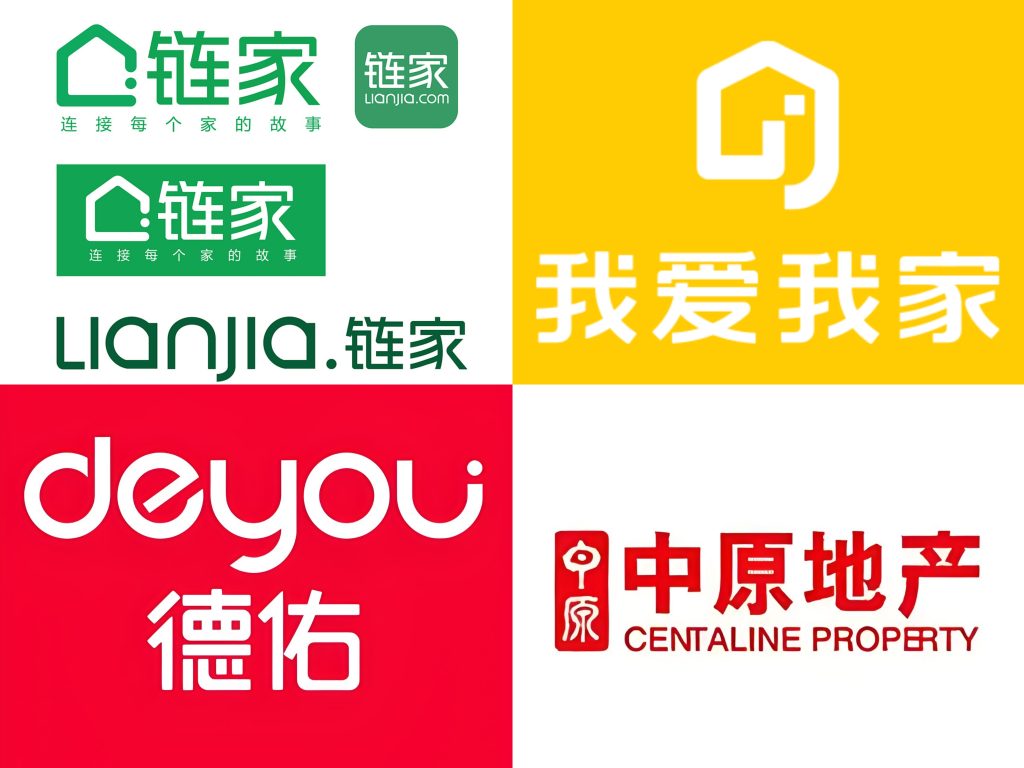
B. Physical intermediary stores · Selection criteria: Chain brands such as 链家Lianjia, 我爱我家5i5j, and 中原地产Centaline.
Key points for communication when entering the store:
Directly state your foreigner status.
Emphasize the necessity of being able to handle accommodation registration.
Request to see the original property ownership certificate.
Inquire about the possibility of a bilingual contract.
Distribution pattern of stores:
Around the exits of subway stations
Main entrances of large communities
Intersections of commercial streets
Commercial areas around communities
C. Commercial areas around communities
Real estate agents: Besides chain stores, there are also local small agencies.
Convenience store owner: Usually the “information center” of the community.
Real estate-related stores: Owners of decoration stores, hardware stores, and copy shops.
IV.Viewing Houses in Progress
Select a few preferred properties and bring a friend to view them in person.
Indicate your identity (applicable to those who don’t look like foreigners).
View the house first. If satisfied, then inform the agent/landlord that you are a foreigner (show your passport), have no bad habits, and ask if they can accept you. It’s best to bring a friend along, which makes you seem reliable and the landlord more at ease.
Phase Three: Practical House Viewing Tips
Take Photos and Videos: Document the house’s condition in detail before moving in to prevent disputes when moving out.
Clarify Fees: Ask the agent for the exact amount and details of the agency fee and service fee.
Verify Location: Test the commuting time and nearby facilities in person, especially the convenience of food delivery and package delivery.
Payment Method: Try to make payments via bank transfer to keep a record and avoid large cash transactions. one Carefully check the items on the list.
Inspection Item :Specific Content and Precautions
Living Environment
Occupancy Rate :Better if majority are homeowners; too many tenants may lead to disorder.
Main Household: Composition Assess neighbor profiles and overall community atmosphere.
Corridor / Stairwell :Check for clutter or garbage accumulation; reflects property management level.
Elevator Hygiene & Condition :Check for odors, trash; indicates resident hygiene and management efficiency.
Safety & Order
Parking / E-Vehicle Rules :Ask about policies; observe if lanes are blocked or charging in stairwells occurs.
Community Security: Check if outsiders/vehicles can enter freely into compound and building entrances.
Door Locks :Check lock type, if cylinder can be changed; ensure doors open/close smoothly and lock securely (especially if keeping pets).
Doors & Windows: Check doors for peeling/mold; windows/screens for integrity; wooden floors for warping/gaps.
Supporting Facilities
Road Surface Condition :Check for unevenness or poor drainage causing puddles in rain.
Garbage Management :Observe if public areas are cleaned timely and if trash piles up outside.
Parcel Facilities :Are there parcel lockers/stations? Is pickup convenient?
Storage Space :Is cabinet space sufficient? Is there a storage room/basement available?
Interior Inspection
Walls / Skirting Boards :Check for stains, peeling, or mold.
Floor Condition :Check for levelness, especially warping/gaps in wooden floors.
Sockets & Switches :Check quantity, layout, and functionality (test with charger if possible).
Lighting :Ensure all ceiling lights and fixtures work properly.
Heating System :Ask neighbors or landlord about heating type and effectiveness.
Mobile / Wi-Fi Signal Test signal strength, especially in rooms far from router.
Daily Convenience
Drinking Water Source Confirm: household purifier / bottled water / community dispenser / self-purchased.
Electricity Meter Location :Locate indoor and outdoor meter boxes.
Inspection Item :Locations and Precautions
General/Whole House
Electrical Meter Box:Where are the indoor and outdoor electrical meter boxes located?
Soundproofing/Noise: Important, but difficult to assess in a short time. Requires long-term observation or asking neighbors.
Bedroom/Living Room
Bed: What is the size and stability like?
Mattress: Is there any unpleasant smell or mold?
Table: Is there a large dining table or desk (to meet dining/office needs)? A low coffee table alone may be insufficient.
Air Conditioner: What is the energy efficiency? Is the noise level acceptable? Does it drip water?
Bathroom
Faucet: Does the water flow smoothly? Does it drip?
Sink: Is the drainage unobstructed?
Washing Machine (if present) What is the cleanliness level? What is the energy efficiency rating?
Toilet: Is the flushing and water supply functioning normally?
Showerhead Does it drip? Is there scale buildup affecting water flow? What is the water pressure?
Water Heater: Is the capacity sufficient? What is the energy efficiency?
Other Pipes: Are there any visible leaks or drips?
Drain: Is it clogged? Does it emit odors?
Kitchen
Range Hood: Does it function properly?
Gas Stove: Does it ignite easily? Is the flame normal?
Faucet: Does the water flow smoothly? Any leaks?
Refrigerator: What is the energy efficiency rating? Is the capacity adequate?
Balcony
Overall Lighting: How is the natural and artificial lighting?
Clothes: Drying Rack Is there enough drying space? Is the telescopic rack smooth to operate?
Washing Machine: Are the drainpipe and drain clear and odor-free?
Special Cases (e.g., Shared Living)
Roommate Situation: If sharing, compatibility with roommates is important but hard to assess briefly.
Room Door Lock: Ensure the lock on your bedroom door is secure and functions properly.
check:
□ Internet service providers and speed
□ Neighbors (up, down, left, right)
□ Whether express delivery and takeout can be delivered to the door
□ Location of garbage classification points
□ Parking lot / electric vehicle charging
□ The house itself (lighting, ventilation, facilities)
□ Surrounding environment (safety, convenience)
□ Sound insulation and noise conditions two Notes to be observed
When viewing a property:
Record a video: When deciding to rent a place, record the entire house from the bedroom to the living room, both inside and out.
Make a full audio recording: Start recording as soon as you enter the house to prevent any conflicts or issues that may arise from the contract or electronic text messages on WeChat that were not mentioned.
Check the sound insulation: The sound insulation can be tested at night. Avoid partitioned rooms.
Utilities: Be sure to record the meter readings of water and electricity when moving in. Ensure that the previous tenant has settled all rent, water, and electricity bills before moving in.
Check if appliances such as water heaters, refrigerators, gas stoves, and curtains are in good working condition. Inspect the air conditioner and refrigerator.
Check for mold and bulges on the floor.
Look for any gaps in the house, such as those in the baseboards, windows, and beds, as they can allow small insects to enter.
Check if the main power switch is in good condition and if there are any exposed wires.
Check the gas meter, water meter, switches, and sockets for their quantity and functionality. Test the power supply.
Determine if the water heater uses electricity or gas to heat water, and if it is functioning properly. Check if the showerhead is usable.
To check if the water meter is normal: Turn off all the faucets and see if the pointer on the meter moves or if the numbers change. If it doesn’t move, it is normal.
Check if the bed makes any noise or collapses when turned. Check if doors, tables, and windows can be opened and closed smoothly. Ensure that all cabinet doors can be closed tightly and that the drawers are not broken.
Observe the lighting and the view outside the window.
Check the ventilation in the bathroom.
Take photos of any damages and provide them to the landlord as evidence. Take photos of any existing issues, such as cracked floors or damaged furniture, and send them to the landlord to keep a record and prevent disputes when moving out.
Check the suction power of the range hood.
Count all the remote controls and keys.
Change the password of the password lock if it is not changed. Check if the lock has a loose latch.
Test all the appliances. If they break within one month of moving in, it is the landlord’s responsibility.
Use 360 Security to check if there are any cameras in the room.
Phase Four: Contract and Signing
I. Core Contract Terms (Check Item by Item)
[ ] Landlord Information: Name, ID Number, Property Certificate Number
[ ] Tenant Information: Passport Number, Visa Type
[ ] Rent and Payment: Amount, Currency, Payment Date, Method
[ ] Lease Term: Start and End Dates, Renewal Conditions
[ ] Maintenance Responsibility: Landlord responsible for structure/equipment, tenant responsible for daily maintenance
[ ] Early Termination: Penalty (usually 1-2 months’ rent)
[ ] Subletting Clause: Whether allowed
[ ] Registration Responsibility: Clearly state who is responsible for accommodation registration [ ] Bilingual Version: The Chinese and English versions of the contract have equal validity.
II. When signing a rental contract:
Ask the landlord for their name, ID number, phone number, WeChat ID, and whether they are the owner of the property.
If the person handing over the rental is the landlord’s wife, she is considered a sub-landlord.
The owner needs to provide the property ownership certificate showing the house number and the page with the owner’s information, as well as the original or a copy of their ID card. The ID card information provided to the owner should clearly state: “For the sole purpose of renting the property at [property address] only.”
Exchange copies of each other’s ID cards. The copies should have the names and ID numbers clearly written on them, stating: “For the sole purpose of the rental at [property address] only.” Keep the landlord’s information on file (ID card, name, phone number, WeChat ID, property ownership).
Contract information: Clearly state the payment method, contract duration, initial values of water, electricity, and gas, the cost of water, electricity, and gas, whether property management fees and internet fees are included. Both parties’ addresses and bank account numbers may need to be filled in. Specify the location of the house, its floor area, and the property ownership certificate number. Clearly define who is responsible for repairs if something breaks.
How are water and electricity fees charged? How is the property management fee calculated? Are there any other charges? If so, write them down. It’s best to include them in the contract.
Ask about the handling of breaches during the contract period. The landlord has no right to unilaterally terminate the contract unless the tenant agrees. Clearly state in the contract that a breach requires double the return of the rent and compensation for the tenant’s losses. Specify the handling of breaches by both parties: If the owner breaches the contract by taking back the house early, how much is the penalty? If the tenant breaches the contract by leaving early, how much do they need to compensate the owner?
Breach of contract and penalties: Clearly define what constitutes a breach of contract, the breach behaviors of both the landlord and the tenant, and the handling methods (be specific).
Have the landlord write a list of the items in the house (furniture, appliances, etc.) and attach it to the contract. Have the landlord note any discrepancies between the house you saw and the contract (e.g., if the contract states that the sofa cover should not be removed and a penalty will be charged if it is, have the landlord write: “This house’s sofa has no cover”). Check all furniture and appliances in the house for damage or abnormalities before signing. If any are found, clearly state them in the contract to clarify responsibilities and negotiate with the landlord about repairs or replacements.
Ensure there are no mortgage issues with the house.
Specify the date for the return of the deposit.
During the lease period, the owner is not allowed to enter the house at will.
If there are any issues with the house that were concealed, the tenant’s early termination of the lease is not considered a breach of contract.
If you find the house noisy or damp, what are the procedures for early termination?
All three parties should be present when signing the contract, and sign directly with the landlord. Check the property ownership certificate and ID card carefully before signing. Pay after signing.
Read all the terms carefully and include all requirements in the contract.
Ask if the owner accepts subletting during the lease period.
Agree on the conditions for early termination of the contract.
Keep all transaction records and note the purpose of each payment. When signing the contract, you can add a clause with the owner that if they deliberately conceal facts about the house, causing the tenant to terminate the lease, the deposit and rent will be fully refunded separately. The deposit will be refunded separately as the deposit, and the rent will be refunded separately as the rent. Each payment will be given independently to the landlord.
III. What Must Be Done on the Day of Signing the Contract
Verify the landlord’s identity: Take photos of the original property ownership certificate and ID card for record.
Record the current state of the house: Start from the entrance and make sure to capture every detail clearly.
Test the equipment: Try out all the electrical appliances on the spot.
Receive the keys: Test all the keys including those for the main door, room doors, mailbox and access card.
Get the expense details: Obtain the historical bills for property management fees and utilities.
Stage Five: Check-in and Registration
24-hour critical process:
Day 1 Morning:
Check-in at accommodation. Within 24 hours, take the contract and passport to register at the school and the nearest police station to your accommodation respectively. Note: The landlord does not need to go for the registration.
Submit the following materials: copies of the first page and visa page of your passport, copy of the rental contract, and copy of the property ownership certificate.
Fill out the “Temporary Accommodation Registration Form”.
Collect the “Temporary Accommodation Registration Slip for Foreigners” (Make sure to keep it safe!)
Day 1 Afternoon:
Register with the property management of the community and apply for an access card.
Open water, electricity and gas accounts (or confirm payment methods).
Contact the network operator to install broadband (if not already installed).
I. Top Ten Risk Warnings
Subletting Trap: Always meet the landlord in person, check the property ownership certificate and a copy of the ID card.
False Listings: If the price is significantly lower than the market rate, there must be a problem.
Hidden Fees: Make sure to clarify management fees, cleaning fees, and maintenance funds.
Shared Living Disputes: Establish rules for common areas in advance.
Mid-Tenancy Price Hikes: Clearly state in the contract that the rent will not increase during the lease period.
Maintenance Procrastination: Specify the response time (e.g., within 24 hours).
Deposit Deductions: Start taking photos as evidence one month before moving out.
Early Termination: Confirm the penalty for early termination.
Subletting Restrictions: If you need to leave early, confirm your right to sublet.
Language Barriers: Have a Chinese friend or a translator verify key terms.
II. Payment Security Tips
– Always make bank transfers and keep records
– Never pay cash to individuals
– Deposit receipts must be stamped and signed
– Keep monthly rent receipts
Stage Six: Lease Termination and Renewal
1. Checklist for Moving Out
– Provide written notice 30 to 60 days in advance
– Contact the landlord for a joint inspection
– Compare the damage with the check-in video
– Settle all fees (water, electricity, gas)
– Obtain the Deposit Refund Confirmation Letter
– Cancel the accommodation registration (if leaving the city)
2. Renewal Negotiation Skills
– Communicate two months in advance
– Long-term tenants can strive for no rent increase or a small increase
– You can ask the landlord to update old equipment
– Renewal agency fees are usually waived or halved
Stage Seven: Practical Toolkit
1. Essential App Recommendations:
Translation: Youdao Translate
Maps: AutoNavi Maps (available in English)
Payment: Alipay/WeChat Pay (linked to bank card)
Daily Life: Meituan (food delivery)
Communication: WeChat (absolutely necessary)
2. Emergency Contact Information
Emergency Police: 110
Fire Alarm: 119
Medical Emergency: 120
Contact Information of the Embassy of the Home Country in China
💎 Ultimate Suggestion
Finally, a reminder: After renting a satisfactory house, remember to keep it clean and tidy, pay the rent on time, and be a good tenant. If your budget is limited, you can consider sharing a place with friends to split the costs. I wish everyone could find their ideal cozy home!
Practical Communication Scenarios for Foreigners Renting Houses + Pinyin Transliteration