


We will get back to you within 1 working day!
Thank you so much for contacting Sojourn Abroad! We can’t wait to welcome you in China!

One of the first questions future students ask is: “Where can I learn Chinese without breaking the bank?” The answer might surprise you. While Beijing and Shanghai are well-known, they are also the most expensive options. The real value lies in China’s second-tier and third-tier cities, where living costs are lower and the quality of life can be even better.
This guide breaks down affordable destinations for studying Mandarin in 2026, with a special focus on one city that consistently stands out for its combination of low costs, pleasant weather, and strong language programs.
Before diving into specific locations, it helps to understand the advantages of studying outside China’s mega-cities.
Lower living costs: Rent, food, and transportation can be half of what you would pay in Beijing or Shanghai. Your budget goes much further.
Fewer international students: You will have more chances to speak Chinese because fewer people speak English around you.
Authentic experience: Second-tier cities offer a glimpse into daily Chinese life without the tourist crowds.
Better weather: Many affordable cities also have pleasant climates, avoiding the extreme cold or heat found elsewhere.
Among all the budget-friendly options, Kunming stands out as a top choice. Let us explore why.

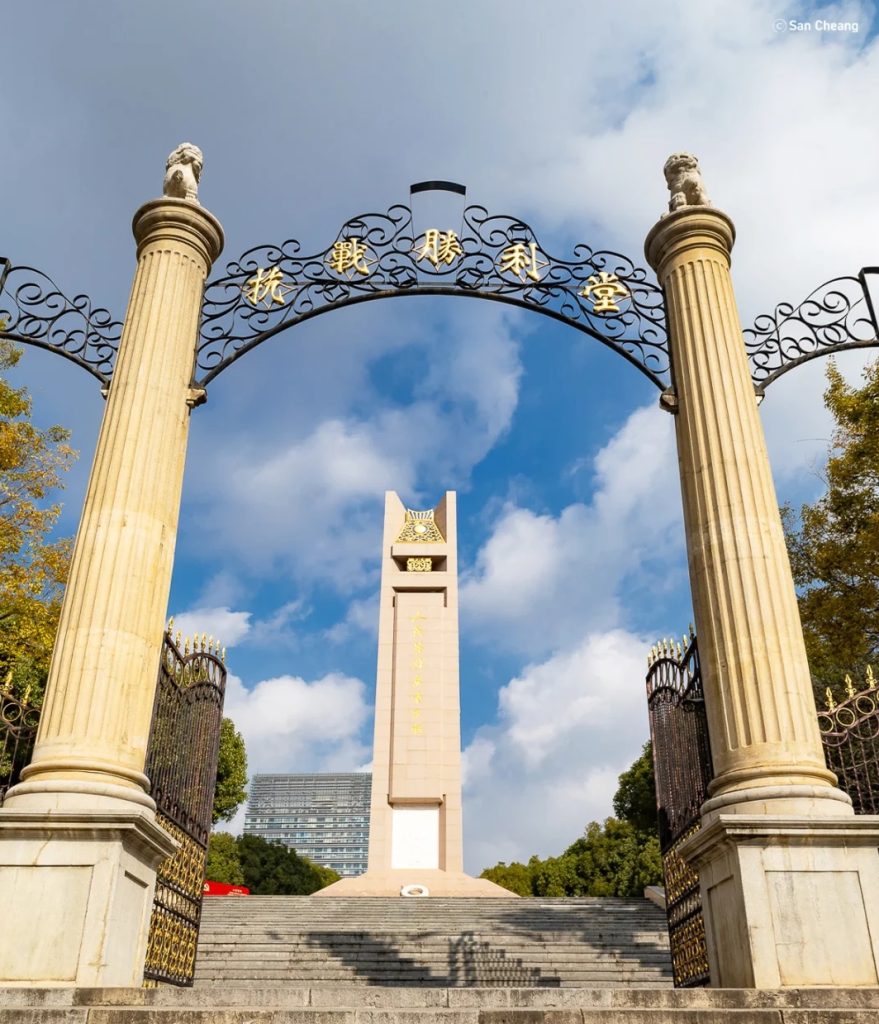



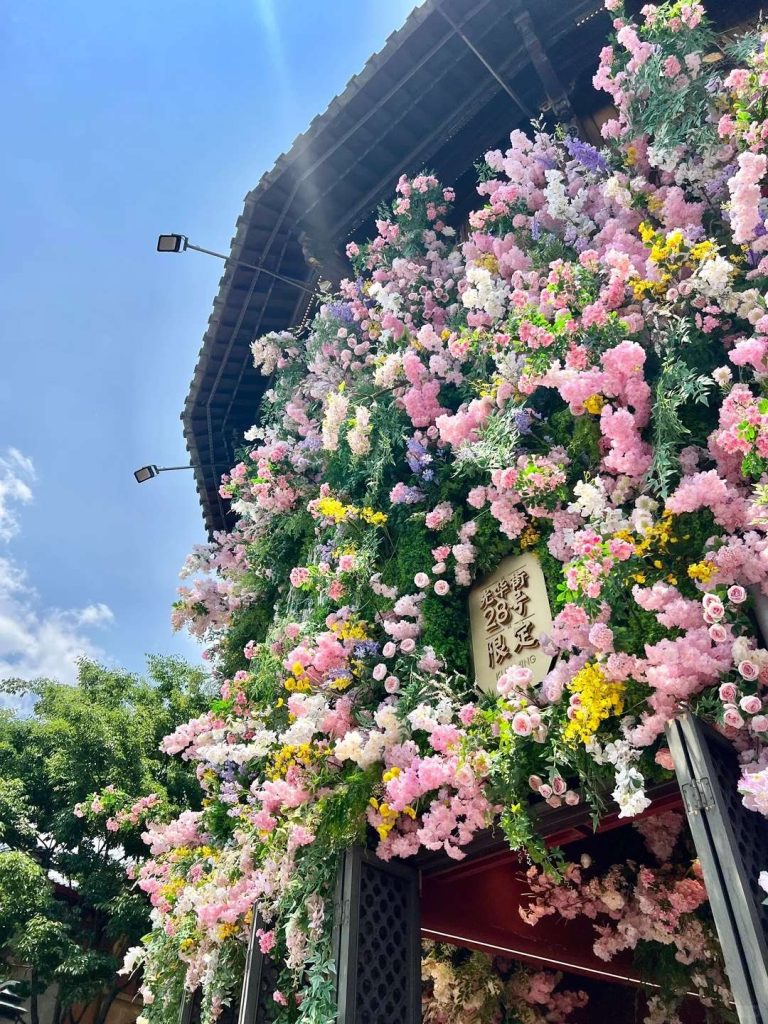
Kunming, the capital of Yunnan Province in southwestern China, earns its nickname honestly. The temperature stays mild throughout the year, rarely dropping near freezing in winter or rising uncomfortably high in summer. This pleasant climate means you can focus on your studies without weather-related distractions.
Cost of living in Kunming: Monthly living expenses (food, transportation, phone, and basic entertainment) typically range from 2,250 to 3,950 RMB, which is about 310 to 550 USD. Rent for a comfortable apartment runs from345 to 690 USD per month, though sharing with classmates reduces this significantly.
Language learning environment: Kunming residents speak Mandarin with a mild accent that is easy for learners to understand. While you will hear the local dialect at markets and food stalls, Sojourn Abroad teach standard Mandarin. This exposure to slight variation actually helps train your ear for real-world conversations.
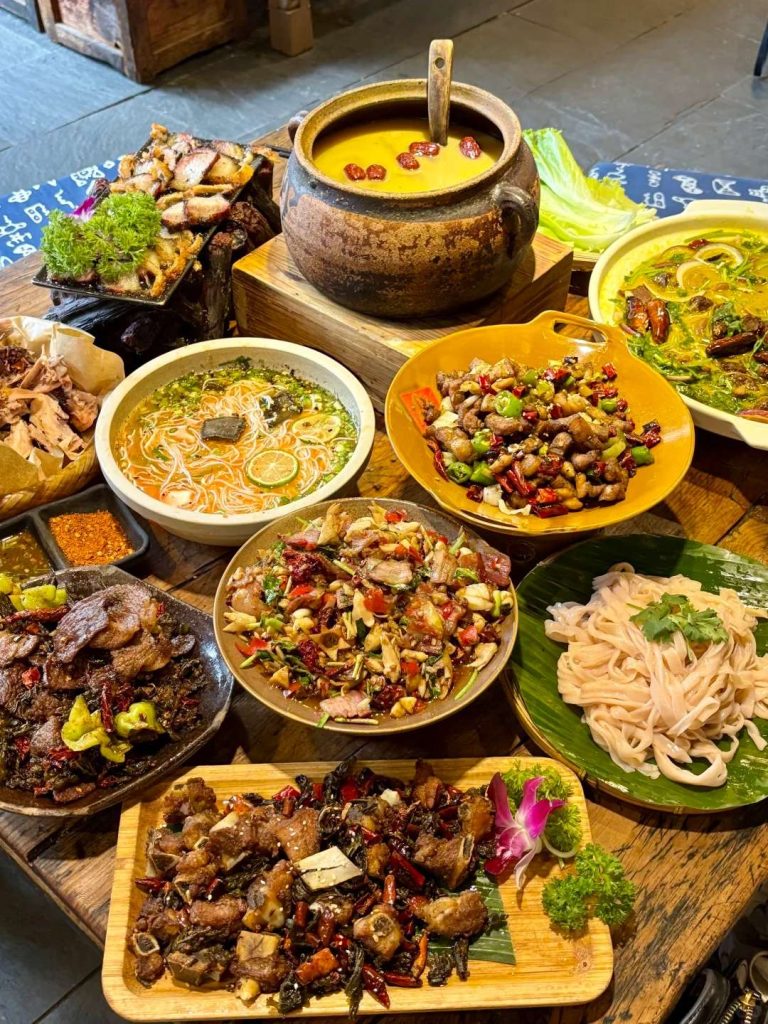
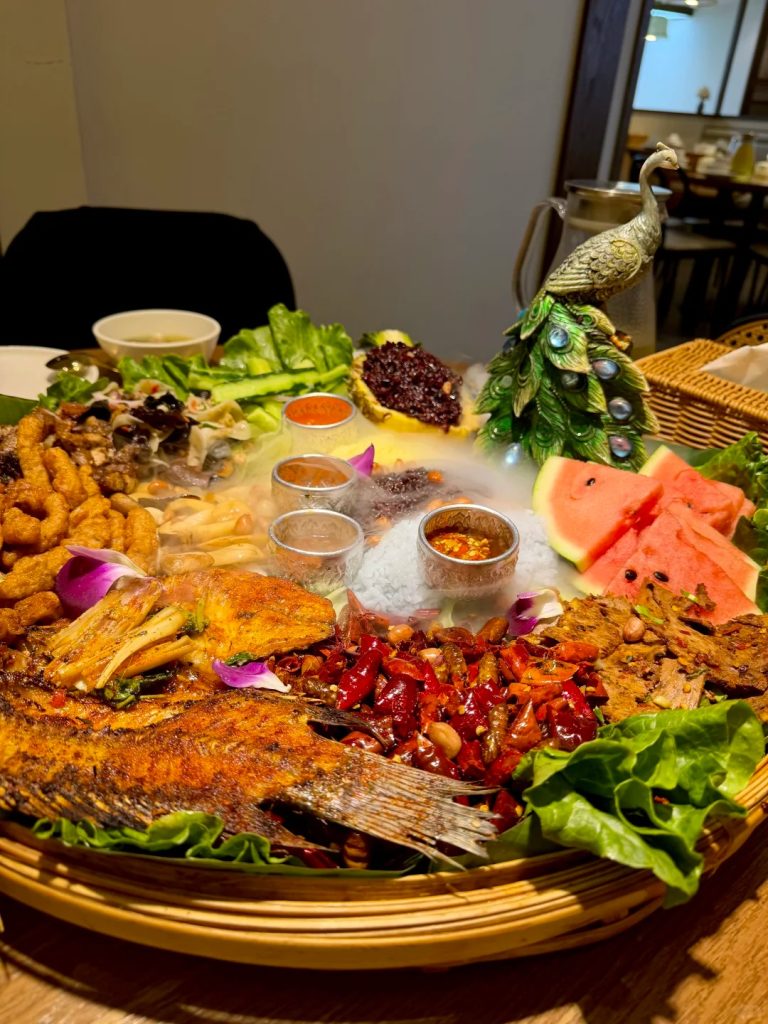
Things to do between classes: When you are not studying, Kunming offers plenty to explore. Green Lake Park is perfect for a quiet walk. The Western Hills provide hiking trails with city views. The Stone Forest, a UNESCO site, is a short trip away. Local food is another highlight—crossing bridge noodles and various Yunnan specialties are worth trying.

Finding a low-cost city is only half the equation. You also need a program that fits your schedule, budget, and learning style. Here are some features to consider.
Flexible start dates: Unlike traditional university programs that only begin in September or March, Sojourn Abroad let you start on any Monday. This flexibility allows you to plan your travel and study around your own schedule, not an academic calendar.
Small class sizes: You want to actually speak during class. Sojourn Abroad that keep groups to 10 students or fewer give you more opportunities to practice and receive feedback.
Weekly pricing models: Paying by the week rather than by the full semester gives you flexibility. If you decide to stay longer, you simply extend. If your plans change, you are not locked into a large upfront payment.
Visa support: Studying in China requires a student visa. Make sure your chosen Sojourn Abroad can provide the official paperwork needed to apply. Legitimate, government-approved schools handle this process properly.
Accommodation help: Finding housing in a new city can be challenging. Sojourn Abroad offer apartment hunting assistance, which saves time and reduces stress.
Cultural activities: Language learning happens both in and out of the classroom. Sojourn Abroad that organize traditional festival activities—like making dumplings during Spring Festival or writing spring couplets—give you natural opportunities to practice Chinese while experiencing local culture. Trips to famous landmarks and chances to try regional snacks turn studying into an adventure.
Sojourn Abroad in Kunming. With weekly rates as low as USD $230 for 15 small group classes (maximum 10 students), start dates available any Monday, durations from 2 to 52 weeks, long-term student visa support, an Apartment Hunting Add-on to help with housing, and regular cultural activities including festival celebrations and visits to Kunming’s famous sites, it offers a complete package for budget-conscious learners.


Chengdu, Sichuan Province: Known for pandas and spicy food, Chengdu has a relaxed pace of life. Monthly living costs are similar to Kunming, though the weather is cloudier. The local dialect is more distinct, but most people speak standard Mandarin.
Xi’an, Shaanxi Province: Home to the Terracotta Warriors, Xi’an offers a rich historical setting. Living costs are low, and the city has a large student population. Winters are colder than Kunming, and summers are hotter.
Chongqing: This mountainous city is known for its spicy hot pot and dramatic landscape. Costs are slightly higher than Kunming but still well below Beijing or Shanghai. The summer heat can be intense.
Each of these cities has its own character. Kunming remains the top recommendation for its unbeatable spring-like weather year-round.
To give you a clear picture, here is a sample monthly budget for studying in Kunming with a program like Sojourn Abroad.
Weekly tuition at USD $230 equals about 1,600 RMB per week, or roughly 880 USD per month. A private apartment costs around 480 USD per month, though sharing would lower this. Daily living expenses including food, local transport, and phone service run about 410 USD per month.
The total comes to approximately 1,760 USD per month. This covers high-quality small group instruction, visa support, cultural activities, and comfortable housing close to the school. The same quality of life and instruction in Beijing or Shanghai would cost significantly more.
For students on a tighter budget, sharing an apartment with classmates can reduce housing costs by half. Eating at university canteens or local noodle shops keeps food expenses low.
Eat where locals eat: Street noodles cost 8 to 12 RMB (1.10 to 1.65 USD).
Use public transportation: Buses and the metro are affordable and efficient. A monthly transportation budget of 150 to 300 RMB (20 to 40 USD) is usually enough.
Take advantage of student discounts: Many museums and attractions offer half-price entry with a student ID.
Shop at local markets: Fresh produce and daily necessities are much cheaper at wet markets than at supermarkets.
Avoid unnecessary imports:Imported goods and Western-brand coffee shops add up quickly. Local products are just as good and cost much less.


Kunming’s mild climate makes it a year-round destination. That said, some seasons are more comfortable than others.
October is ideal. The summer rains have stopped, skies are clear, and temperatures are perfect for walking around the city between classes.
December offers lower prices. Some programs provide winter discounts, and the sunny days are still pleasant for exploring, though evenings can be cool.
Learning Mandarin in China does not require a massive budget. By choosing a second-tier city like Kunming, you can enjoy high-quality instruction, comfortable living, and genuine cultural experiences at a fraction of the cost of Beijing or Shanghai.
The key is finding a program that offers flexibility, small classes, proper visa support, and a location that keeps you comfortable year-round. With weekly rates starting as low as USD $230 and the ability to start any Monday for anywhere from 2 to 52 weeks, accessible options exist for nearly every budget.
Your journey with Chinese does not have to wait until you save up for an expensive coastal city. The best value might just be in the mountains of southwestern China, where the sun always seems to be shining and the noodles are always hot.
By Karina
Course Consultant at Sojourn Abroad
Helping you navigate your study abroad journey.
Thank you so much for contacting Sojourn Abroad! We can’t wait to welcome you in China!